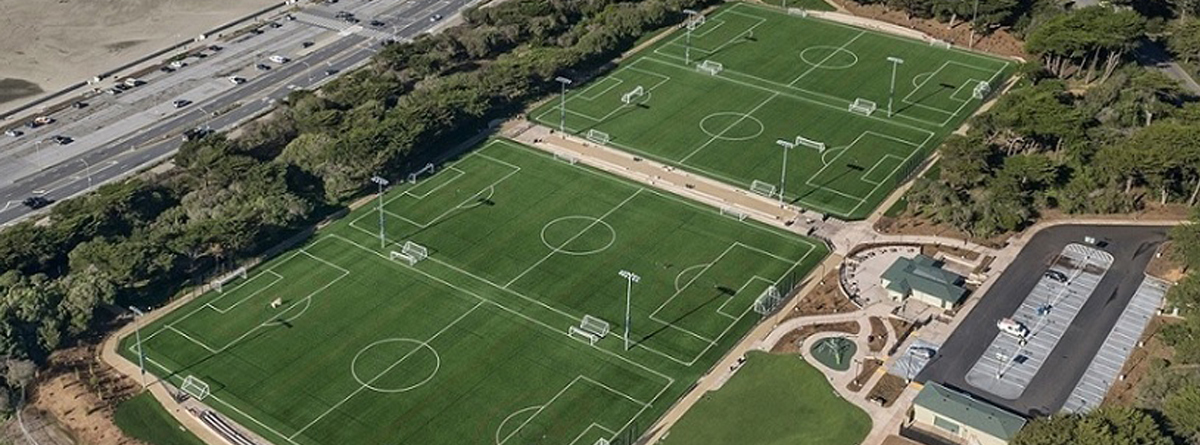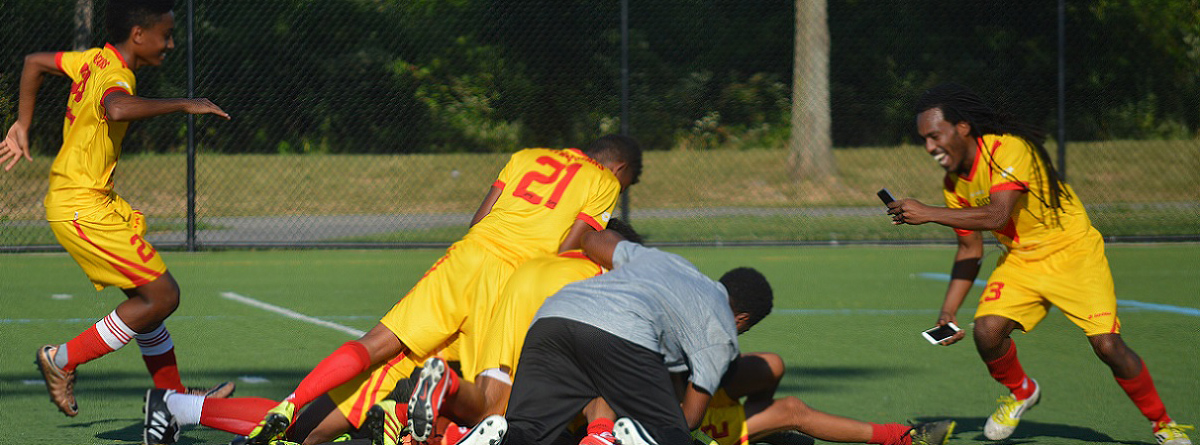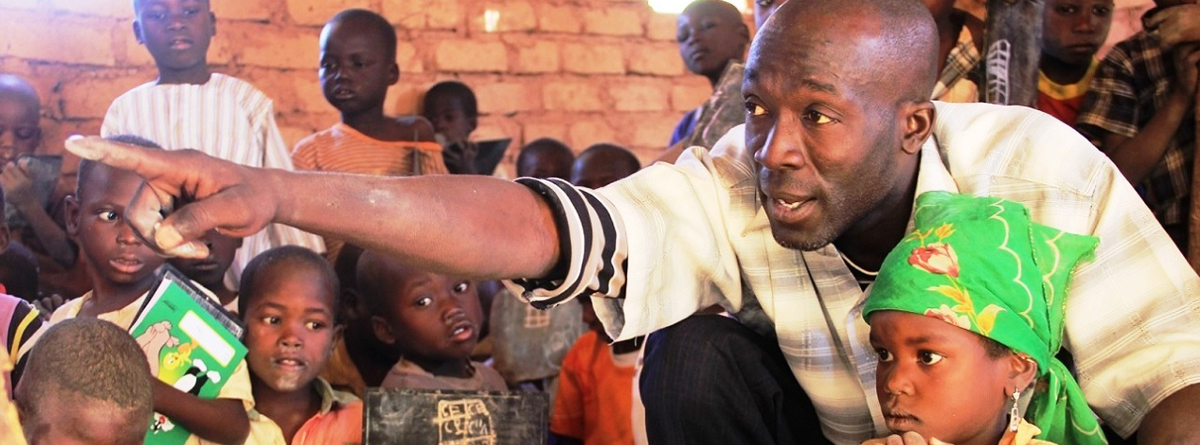

Street soccer is a popular activity in Nepal, where children and teenagers regularly gather in neighbourhood lanes, school grounds, village fields, public spaces, and community courts to play informal football matches. These games provide a fun and accessible way for young players to stay active, build friendships, and improve their football skills.
The fast-paced nature of street soccer encourages quick passing, close ball control, creative dribbling, and smart movement. Playing in limited spaces and different environments helps participants become more adaptable while developing confidence, teamwork, and technical ability through regular play.
Street soccer offers an affordable way for communities across Nepal to enjoy football without requiring professional facilities or expensive equipment. It promotes healthy lifestyles, strengthens community bonds, and inspires many young people to continue developing their passion for the sport.
Football is widely enjoyed throughout Nepal, and street soccer is often where many children first discover their interest in the game. Informal matches organised by schools, friends, and local communities create an energetic environment where players of different ages and abilities can participate.
Street soccer helps players improve dribbling, first touch, passing accuracy, agility, balance, ball control, and awareness. Regular matches also strengthen communication, creativity, confidence, and the ability to make quick decisions during fast-moving games.
Street soccer brings communities together through football while encouraging teamwork, positive youth participation, and active lifestyles. It also provides aspiring players with valuable experience before progressing to school teams, local football clubs, academies, or organised youth football programmes.
The **Nepali diaspora in the DMV** (District of Columbia, Maryland, and Virginia) is a fast-growing, highly organized, and tightly connected South Asian community. While larger Nepali-American populations exist in Texas and New York, the DMV has emerged as one of the most important Nepali population centers on the East Coast. The community includes **international-development professionals, IT specialists, biomedical researchers, university students, healthcare workers, entrepreneurs, and small-business owners**, with major concentrations in **Fairfax, Herndon, and Centreville in Virginia**, as well as **Silver Spring and the broader Maryland corridor**.
### Cultural Hubs & Community Networks
* **Embassy Hub:** The **Embassy of Nepal in Washington, D.C.** serves as the community's principal diplomatic and administrative anchor. It provides consular services, hosts official receptions, supports diaspora engagement, and creates opportunities for Nepali-American professionals to connect with development and investment initiatives involving Nepal.
* **NRNA DMV:** The local **Non-Resident Nepali Association (NRNA) network** provides an important support system for Nepalis throughout the region. It helps connect newcomers and students with established professionals while organizing community programs, charitable fundraising, disaster-relief campaigns, and professional networking.
* **America Nepal Society & Community Associations:** Organizations such as the **America Nepal Society (ANS)** and other local Nepali associations help preserve language, heritage, and community identity. Their programs include youth activities, cultural education, social gatherings, and community-service initiatives.
### Key Cultural Gatherings
* **Dashain & Tihar:** The two major autumn festivals, **Dashain and Tihar**, are among the most important events in the local Nepali calendar. Community celebrations feature *tika* blessings, traditional food, music, dancing, family gatherings, and *Deusi-Bhailo* performances.
* **Nepal Day & Heritage Festivals:** Nepali organizations regularly organize large cultural festivals in Northern Virginia and Maryland. These events can feature **Nepali music, traditional dances, cultural performances, food vendors, handicrafts, and community organizations**, bringing together thousands of residents and visitors.
* **Community Concerts:** Nepali cultural festivals frequently combine traditional performances with contemporary **Nepali pop and rock music**, creating events that appeal to both first-generation immigrants and younger Nepali-Americans.
### Spiritual & Cultural Anchors
Religious and cultural institutions play a major role in maintaining community identity.
* **Nepal Education and Cultural Center:** The **Nepal Education and Cultural Center (NECC)** in Maryland serves as an important cultural and spiritual institution. It provides a setting for traditional rituals, religious ceremonies, weddings, language activities, and cultural education.
* **South Asian Temples:** Nepali families also participate in the DMV's broader Hindu and Buddhist temple network, where they connect with other South Asian communities while maintaining Nepali-specific traditions and celebrations.
### Culinary & Social Anchors
The DMV's growing Nepali population has helped create an increasingly visible **Nepali and Himalayan food scene**.
* **Nepali Cuisine:** Restaurants and community events provide access to familiar dishes such as **momo, dal bhat, chow mein, sel roti, thukpa, and other Himalayan specialties**.
* **Northern Virginia:** The **Fairfax–Herndon–Centreville corridor** provides an important commercial base for Nepali families, with restaurants, grocery stores, professional services, and community businesses serving the growing population.
* **Maryland:** **Silver Spring and surrounding communities** provide additional Nepali and South Asian commercial infrastructure, including restaurants, markets, temples, and community gathering spaces.
### Professional & Digital Networks
The community's strong professional orientation is reinforced by extensive digital and organizational networks.
* **Professional Connections:** Nepali-American professionals working in **international development, technology, healthcare, research, government contracting, and academia** form a substantial part of the DMV's professional ecosystem.
* **Student Networks:** University students frequently rely on Nepali student associations and established community organizations for housing advice, employment connections, cultural activities, and social support.
* **Community Mutual Aid:** WhatsApp groups, social-media communities, and local associations help circulate information about jobs, housing, events, immigration resources, and assistance for newly arrived families.
Overall, the **Nepali community in the DMV combines rapid population growth with unusually strong cultural and professional organization**. The Embassy of Nepal provides the diplomatic center, while NRNA, America Nepal Society, NECC, local associations, temples, restaurants, and major festivals such as Dashain and Tihar create the social infrastructure that keeps the community connected across Northern Virginia, Maryland, and Washington, D.C.
Immigration from Nepal has generally reflected educational opportunities, professional employment, economic development, political transition, family reunification, refugee resettlement, skilled migration, and international business.
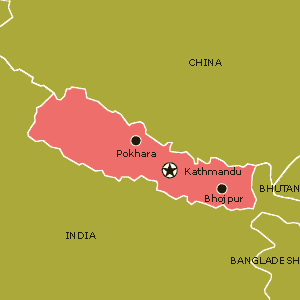
Migration from Nepal has historically been shaped by its geographic location between India and China, longstanding labor migration, and expanding educational and professional opportunities. Nepalis have commonly migrated to India under the open-border arrangement, as well as to the Gulf countries, Malaysia, the United Kingdom, and other destinations for employment, education, and family connections. Migration to the United States increased significantly during the late twentieth and early twenty-first centuries through higher education, skilled employment, family sponsorship, refugee resettlement, and the Diversity Visa Program. Today, Nepali immigrants have established vibrant communities across the United States while maintaining strong cultural, linguistic, and family ties with their homeland.
Unlike many countries in South Asia, Nepal was never formally colonized by a European power. During the nineteenth and early twentieth centuries, migration was influenced by agriculture, regional trade, military service, government administration, and religious pilgrimage. Many Nepalis travelled to India as traders, farmers, students, teachers, and members of extended families, while others served as Gurkha soldiers in the British and Indian armies. Direct migration to the United States remained relatively limited because educational, political, and commercial connections were concentrated primarily within South Asia and the United Kingdom. Nepal and the United States established diplomatic relations on April 25, 1947, strengthening educational and economic cooperation in the decades that followed.
Migration increased after the restoration of democracy in 1990, the Nepalese Civil War (1996–2006), and expanding global educational and professional opportunities. Students, physicians, engineers, scientists, academics, entrepreneurs, information technology specialists, business professionals, and researchers increasingly travelled to the United States for university education, specialized employment, scientific research, investment, or family reunification. The resettlement of Bhutanese refugees of Nepali origin from camps in Nepal also contributed significantly to Nepali-speaking communities in the United States through humanitarian programs. In the United States, Nepali immigrants often rely on family networks, temples, churches, cultural associations, refugee assistance organizations, alumni groups, and professional organizations for support with housing, employment, education, language services, and community integration while preserving Nepali and other Indigenous languages, traditional cuisine, festivals, religious practices, cultural heritage, and close relationships with relatives in Nepal

Sign In