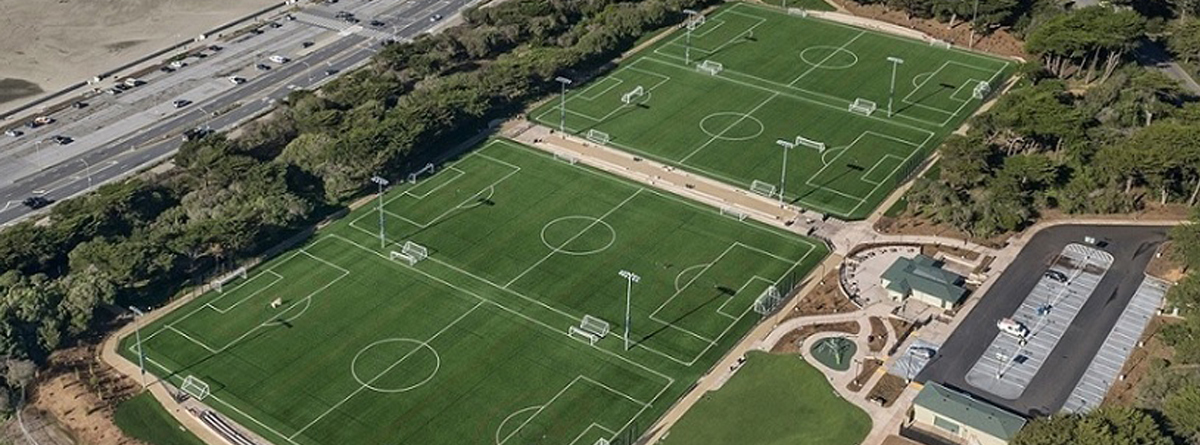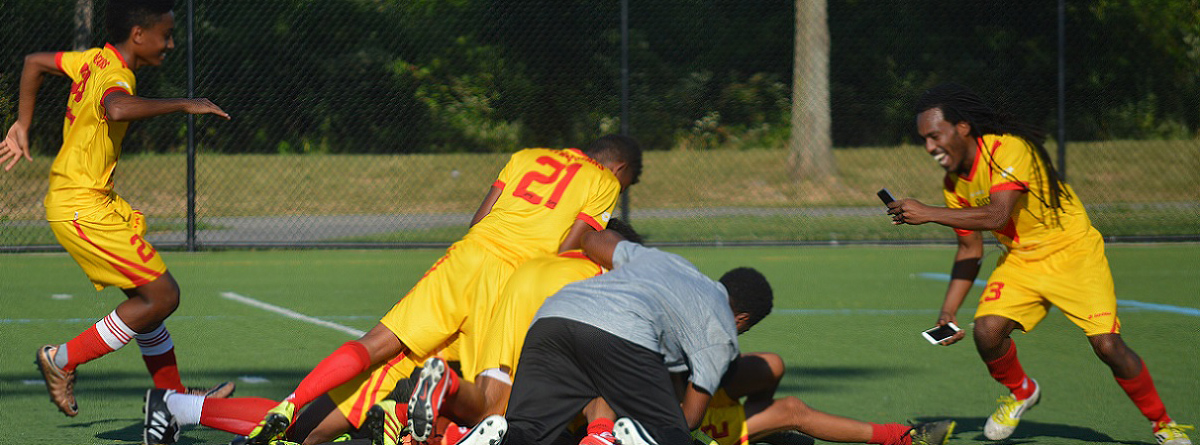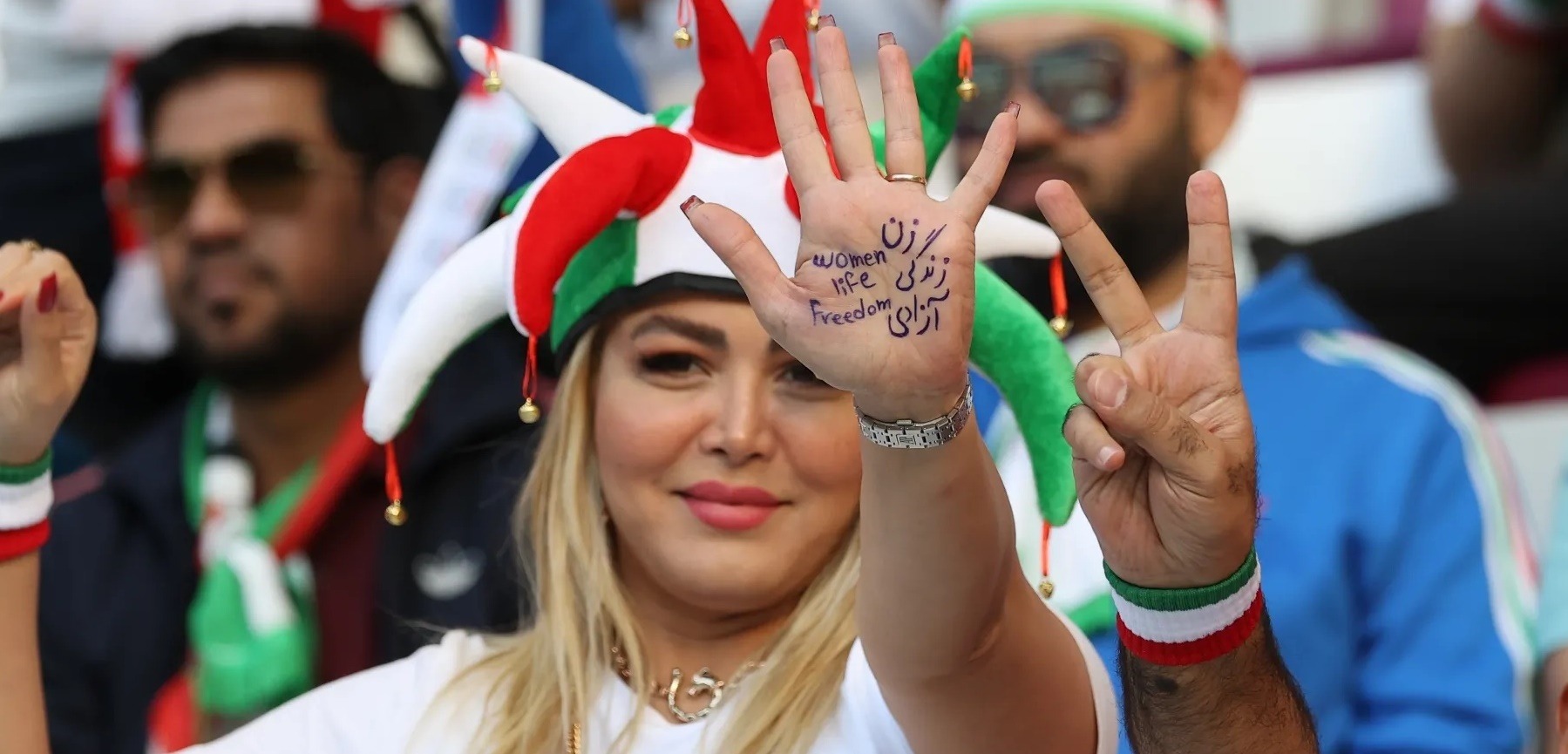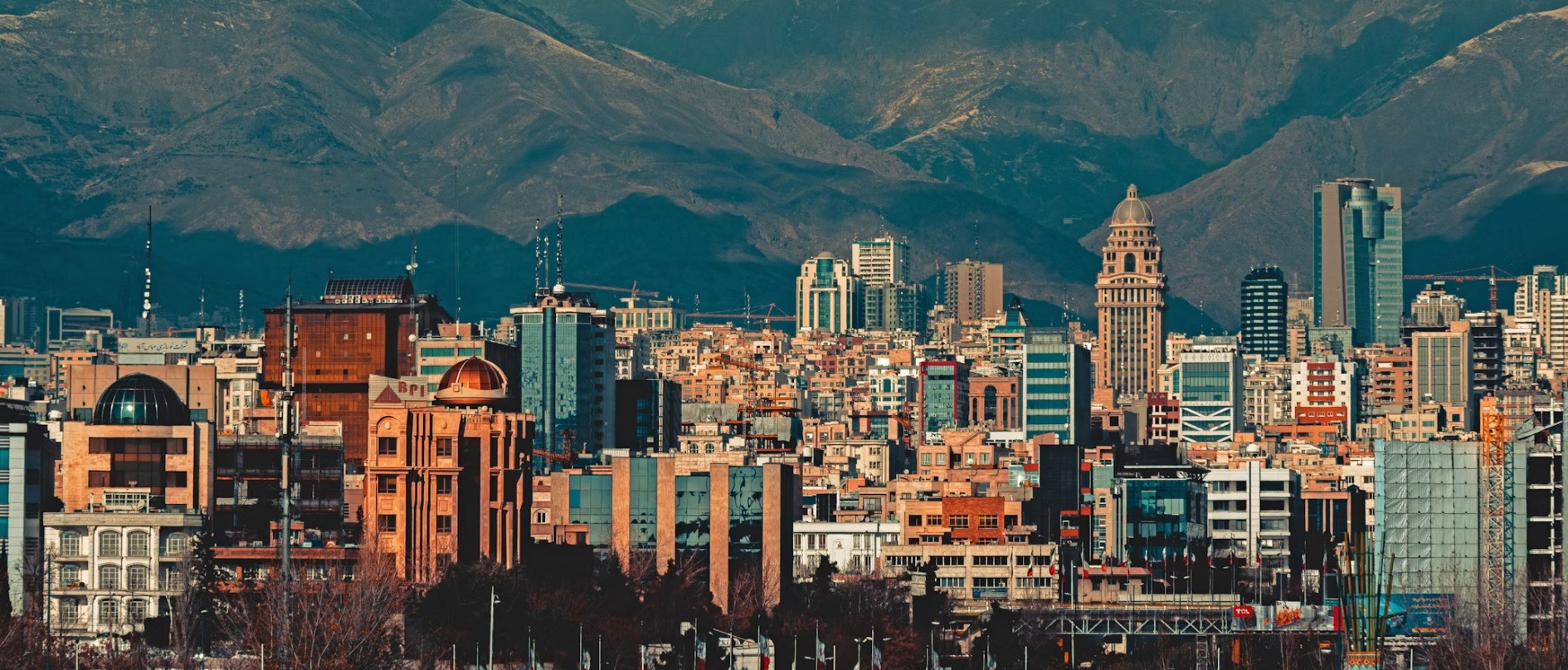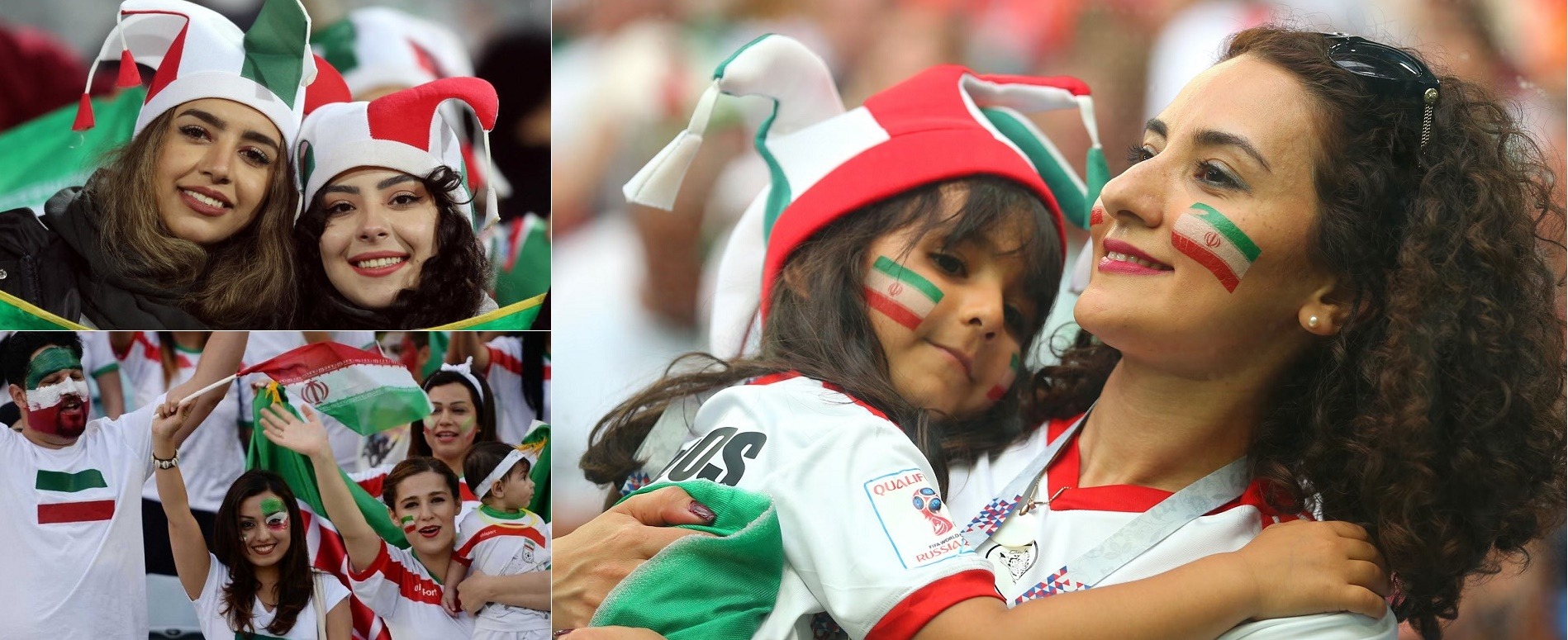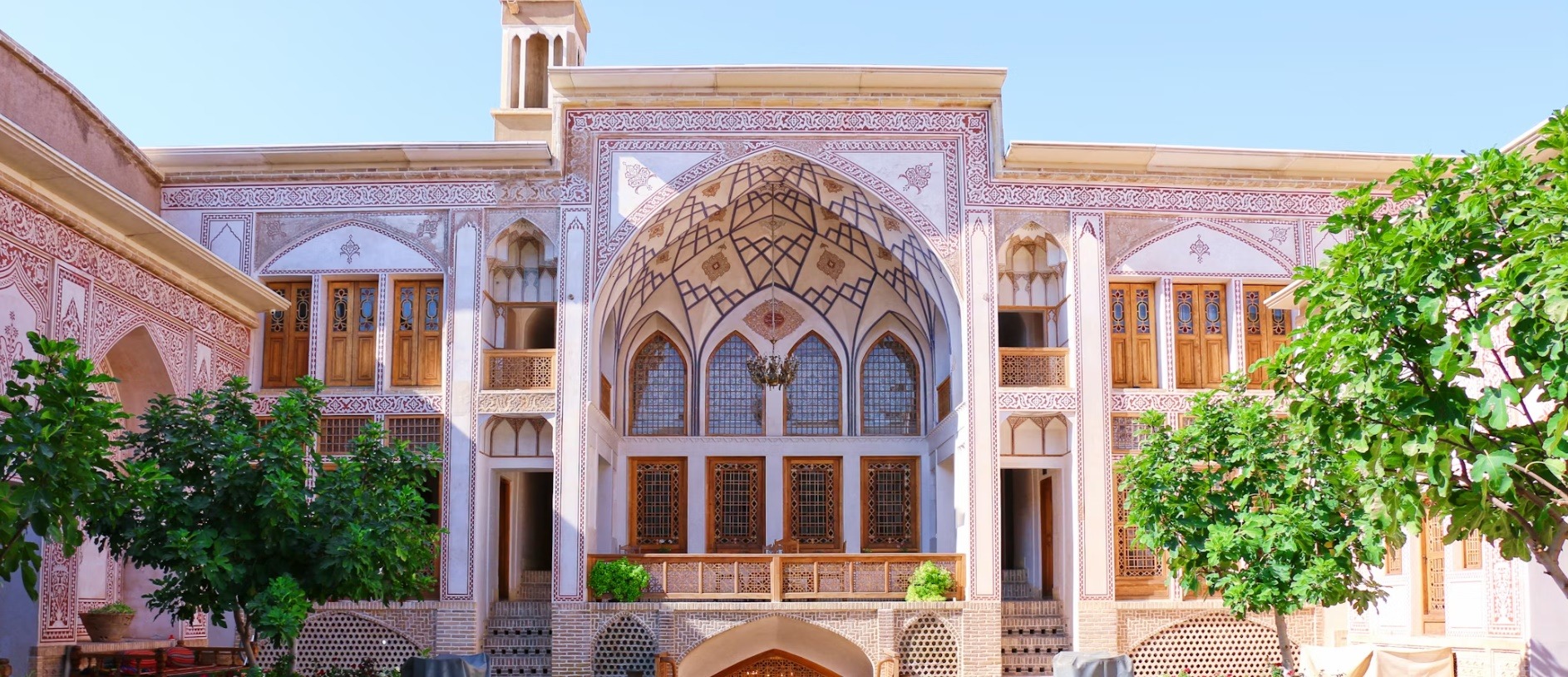

Street soccer is a popular activity in Iran, where children and teenagers regularly gather in neighbourhood streets, school courtyards, public parks, and community sports areas to enjoy informal football matches. These games are a familiar part of daily life, giving young players an enjoyable opportunity to improve their football skills while spending time with friends.
The fast pace of street soccer encourages players to master close ball control, accurate passing, quick footwork, and intelligent movement. Playing in compact spaces helps participants develop creativity, confidence, and teamwork while adapting to different playing conditions through regular matches.
Street soccer provides an affordable and accessible way for communities across Iran to enjoy football without the need for professional facilities. It promotes healthy lifestyles, strengthens neighbourhood connections, and inspires many young people to continue their passion for the sport.
Football is one of the most followed sports in Iran, and street soccer is often where many children first develop their love for the game. Informal matches organised by schools, neighbours, and local communities create a welcoming atmosphere where players of different ages and abilities can participate.
Street soccer helps players improve dribbling, first touch, passing accuracy, agility, balance, ball control, and awareness. Regular play also strengthens communication, creativity, confidence, and the ability to make quick decisions under pressure.
Street soccer brings communities together through football while encouraging positive youth participation and active lifestyles. It also provides aspiring players with valuable experience before progressing to school teams, local football clubs, academies, or organised youth football programmes.
The Iranian diaspora in the DMV (Washington, D.C., Maryland, and Virginia) is a large, highly educated, affluent, and culturally prominent Middle Eastern community. It combines multi-generational Iranian-American families with newer professionals working in technology, medicine, research, engineering, finance, government contracting, and academia. Northern Virginia and Montgomery County provide important residential and commercial centers, while Washington, D.C. serves as a major hub for Iranian-American civic advocacy and cultural activity.
Iranian Interests Section: Because the United States and Iran do not maintain formal diplomatic relations, Iranian consular and administrative services in Washington are handled through the Interests Section of the Islamic Republic of Iran. It provides an important point of contact for Iranian citizens needing consular services.
National Iranian American Council (NIAC): Based in Washington, D.C., NIAC provides a major civic and advocacy platform for Iranian Americans. Its work includes policy engagement, community education, leadership development, and advocacy on issues affecting Iranian-American communities and U.S.–Iran relations.
Public Affairs Alliance of Iranian Americans (PAAIA): Provides another national platform for Iranian-American civic and professional engagement. Its activities include demographic research, scholarships, leadership development, and initiatives designed to strengthen Iranian-American participation in public life.
Persian Cultural & Educational Organizations: Local nonprofits, language schools, literary groups, and cultural associations provide Persian-language education, lectures, arts programming, and heritage activities for children and adults.
Professional Networks: The DMV community has particularly strong representation in technology, medicine, engineering, research, finance, international affairs, and federal contracting, reflecting the region's highly skilled workforce.
Northern Virginia & Montgomery County: Fairfax, McLean, Rockville, Potomac, and Bethesda are important residential and commercial centers for Iranian-American families. Persian restaurants, markets, cultural organizations, and professional networks provide a strong community ecosystem.
Persian Language & Heritage Preservation: Persian-language schools, children's programs, literature groups, poetry readings, music, and cultural classes help preserve Iranian heritage across generations.
Nowruz: Nowruz, the Persian New Year, is one of the community's most important cultural celebrations. Families and organizations gather for traditional food, music, Haft-Seen displays, dancing, and other Persian customs.
Persian Cuisine: Food is a major component of Iranian-American community life. Restaurants such as Moby Dick House of Kabob and Joon, along with Persian bakeries and caterers, provide gathering spaces centered on kabobs, rice dishes, stews, breads, and other Iranian specialties.
Persian Grocery Networks: Specialty markets such as Yekta in Rockville and Persian-oriented grocery stores in Northern Virginia help families obtain ingredients such as saffron, rosewater, pomegranates, dried fruits, herbs, and traditional breads.
Arts & Cultural Preservation: Persian classical music, poetry, visual arts, cinema, dance, and literary traditions remain highly visible through cultural organizations and community events.
Community Structure: The Iranian DMV community is best understood as a professionally integrated, culturally sophisticated diaspora, with civic organizations and advocacy groups providing national visibility while Persian-language schools, restaurants, grocery stores, family networks, and cultural institutions sustain everyday community life.
Immigration from Iran has generally reflected political change, educational opportunities, professional employment, economic development, family reunification, religious and political persecution, asylum, and international business.
Migration from Iran has historically been shaped by political transformation, economic development, and strong educational traditions. Before the late twentieth century, many Iranians travelled abroad primarily for higher education, professional training, business, and government service, with the United States becoming a leading destination for university students and skilled professionals. Following the 1979 Iranian Revolution, the establishment of the Islamic Republic, and subsequent political and social changes, migration increased significantly as many Iranians sought educational opportunities, professional careers, family reunification, or protection abroad. Today, Iranian immigrants form a highly educated and economically successful community in the United States, maintaining strong cultural, linguistic, and family ties with their homeland.
Before 1979, Iran was governed by the Pahlavi monarchy, and migration was influenced by modernization, higher education, international trade, diplomatic service, and economic development. Students, engineers, physicians, scientists, academics, businesspeople, and government officials frequently travelled to the United States and Europe for university education, specialized training, research, and professional employment. Educational exchanges between Iran and the United States expanded significantly during the 1960s and 1970s, making Iranian students one of the largest international student groups in American universities. Although earlier migration remained relatively limited, these educational and professional connections laid the foundation for later Iranian American communities.
Migration increased dramatically after the 1979 Iranian Revolution, the Iran-Iraq War (1980–1988), and subsequent political, economic, and social changes. Students, physicians, engineers, scientists, entrepreneurs, academics, information technology specialists, artists, and business professionals continued to migrate to the United States for higher education, specialized employment, research, investment, or family reunification, while others sought asylum because of political or religious persecution. Family sponsorship, educational opportunities, and professional careers have continued to support migration in recent decades. In the United States, Iranian immigrants often rely on family networks, cultural organizations, religious institutions, alumni associations, and professional groups for support with housing, employment, education, and community integration while preserving Persian (Farsi), traditional cuisine, music, literature, cultural celebrations such as Nowruz, religious traditions, and close relationships with relatives in Iran.

Sign In