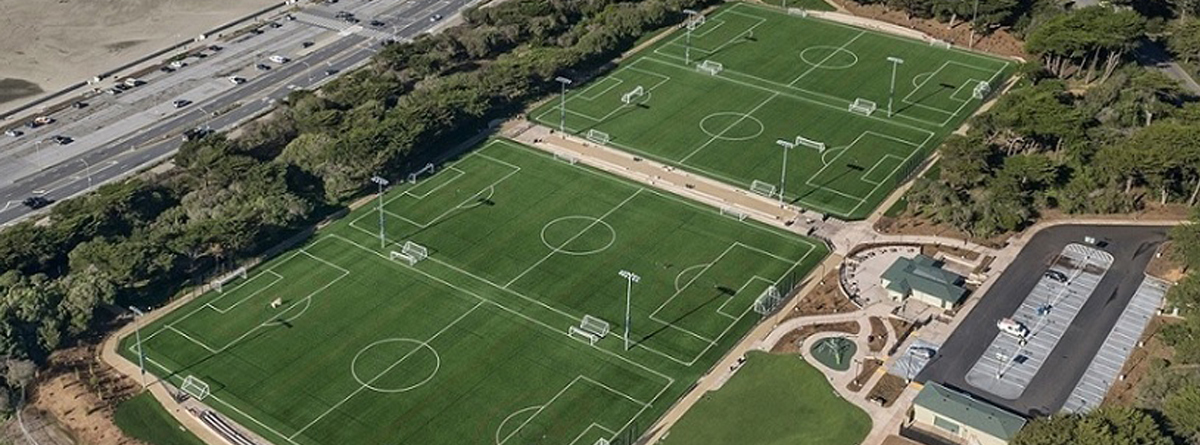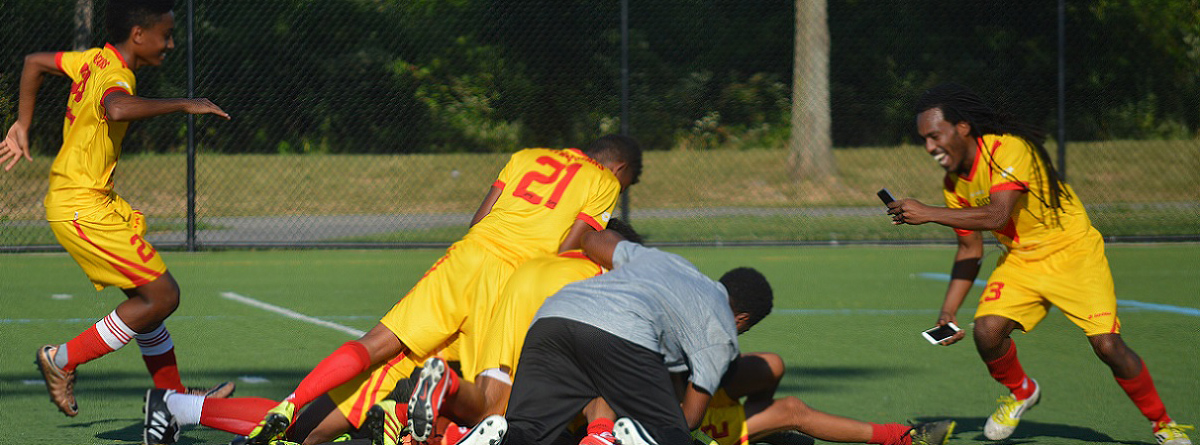

Street soccer is a popular community activity in Namibia, where children and teenagers regularly gather in neighbourhood areas, school grounds, village spaces, public fields, and open community locations to play informal football matches. These games provide young players with an enjoyable way to stay active, develop their skills, and connect with friends.
The energetic style of street soccer encourages quick passing, close ball control, creative dribbling, and fast movement. Playing on different surfaces and often limited spaces helps participants improve adaptability, confidence, teamwork, and decision-making while enjoying competitive but friendly matches.
Street soccer remains one of the most accessible ways for communities across Namibia to enjoy football without requiring professional facilities. It promotes healthy lifestyles, strengthens local friendships, and inspires many young people to continue their football journey.
Football is widely enjoyed throughout Namibia, and street soccer is often where many children first develop their passion for the game. Informal matches organised by schools, neighbours, and local communities create an inclusive environment where players of different ages and abilities can participate.
Street soccer helps players improve dribbling, first touch, passing accuracy, agility, balance, ball control, and awareness. Regular games also develop communication, creativity, confidence, and the ability to make quick decisions during fast-paced situations.
Street soccer brings communities together through football while encouraging teamwork, positive youth participation, and active outdoor recreation. It also provides aspiring players with valuable experience before progressing to school teams, local football clubs, academies, or organised youth football programmes.
The Namibian diaspora in the DMV (District of Columbia, Maryland, and Virginia) is a highly specialized micro-diaspora. Unlike larger African immigrant communities in the region, Namibia's international migration flows are relatively small, with stronger historical connections to South Africa and Western Europe. As a result, the DMV community is exceptionally compact and does not form a distinct residential or commercial enclave. Instead, the local presence is composed primarily of diplomats, international-development professionals, environmental researchers, academics, and other internationally mobile professionals.
Embassy Hub: The Embassy of the Republic of Namibia in Washington, D.C. serves as the community's primary diplomatic, administrative, and cultural anchor. The embassy provides consular services, supports Namibian citizens in the region, hosts diplomatic engagements, and organizes activities around national occasions such as Namibia Independence Day on March 21.
Professional Networks: Because of the community's small size, Namibians frequently connect through professional and international-development networks associated with the World Bank, IMF, universities, environmental organizations, and Washington's broader diplomatic community.
African Community Networks: Local Namibians also participate in broader African organizations and social networks, allowing them to maintain connections with other African communities while accessing cultural, professional, and social resources.
Namibia Independence Day: Celebrated annually on March 21, Independence Day is the principal national occasion for Namibians abroad. Embassy receptions, diplomatic gatherings, and community events provide opportunities to celebrate Namibia's independence and national identity.
Passport DC: The annual Passport DC embassy-tour program provides one of the most visible public platforms for Namibian culture in Washington. Embassy programming can introduce visitors to Namibia's diverse cultural traditions, including Herero, Himba, and Owambo heritage, while highlighting the country's wildlife, conservation initiatives, landscapes, and tourism.
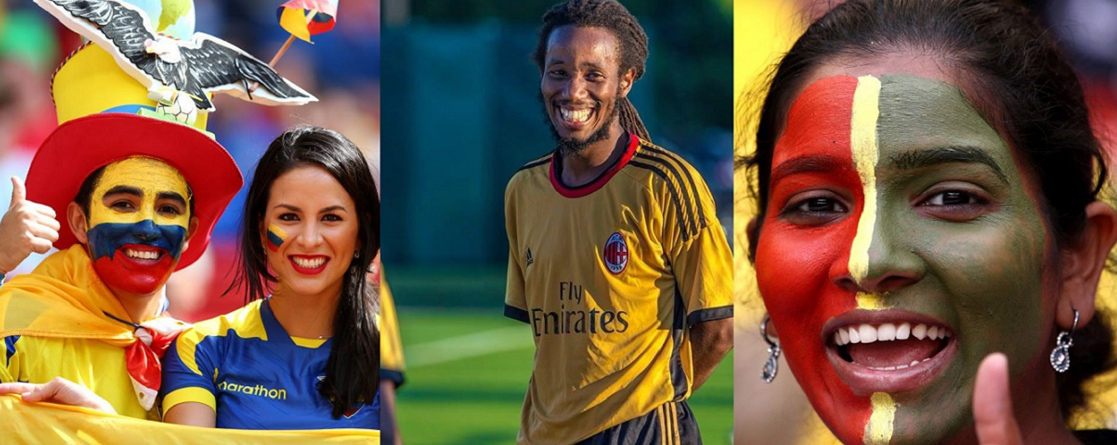
African Cultural Events: Namibians also participate in broader African cultural festivals, diplomatic receptions, soccer tournaments, and community gatherings throughout the DMV.
Because the DMV does not have a dedicated Namibian commercial district, residents rely heavily on the region's broader Southern African and Pan-African networks.
Southern African Networks: Namibians frequently socialize alongside larger South African, Zimbabwean, Botswana, Zambian, and other Southern African communities. Shared gatherings may include cultural celebrations, sporting events, professional networking, and braai barbecues.
Pan-African Organizations: Organizations such as the African Community Center DC-Metro provide broader infrastructure for African immigrants and expatriates. Namibians can participate in multicultural galas, soccer tournaments, civic forums, and community programs alongside other African nationalities.
The DMV has no significant standalone Namibian restaurant or specialty-food ecosystem, so the community's culinary life overlaps with the wider African and Southern African food scene.
Southern African Cuisine: Namibians can access familiar regional foods through South African and broader African restaurants, markets, and community gatherings.
Braai Culture: Outdoor barbecues and informal social gatherings provide a natural setting for Namibians to connect with other Southern Africans and share food, music, and cultural traditions.
Overall, the Namibian community in the DMV is defined by diplomacy, international development, environmental expertise, and strong Southern African connections rather than population size or geographic concentration. The Embassy of Namibia provides the institutional center, while Passport DC, Pan-African organizations, Southern African networks, universities, and international-development circles provide the social infrastructure that keeps this small but internationally connected community active.
Immigration from Namibia has generally reflected German and South African administration, political transition, educational opportunities, professional employment, economic development, family reunification, skilled migration, and international business.
Migration from Namibia has historically been shaped by colonial rule, regional labor migration, and the country's long struggle for independence. Namibians have commonly migrated to neighboring countries, particularly South Africa, Botswana, Angola, and Zambia, for employment, education, trade, and family connections. Overseas migration expanded after independence as students, healthcare professionals, academics, entrepreneurs, government officials, and skilled workers sought higher education and professional opportunities abroad. Today, Namibian immigrants in the United States maintain strong cultural, linguistic, and family ties with their homeland while contributing to diverse professional fields.
Before independence, Namibia was known as German South West Africa under German colonial rule from 1884 until the First World War. After the war, the territory was administered by South Africa under a League of Nations mandate and later under South African control. Migration during these periods was influenced by agriculture, mining, livestock farming, government administration, missionary education, military service, and regional commerce. Many Namibians travelled to neighboring countries as farm workers, miners, traders, students, teachers, civil servants, and members of extended families. Direct migration to the United States remained relatively limited because political, educational, and commercial connections were centred primarily on Germany, South Africa, and neighboring countries. Namibia gained independence on March 21, 1990, and the United States recognized the new nation immediately while establishing diplomatic relations.
Migration increased after independence as educational opportunities, economic development, globalization, and expanding professional careers encouraged many Namibians to seek opportunities abroad. Students, physicians, engineers, scientists, academics, entrepreneurs, information technology specialists, business professionals, and researchers increasingly travelled to the United States for university education, specialized employment, scientific research, investment, or family reunification. Academic exchange programs, international organizations, multinational companies, and family sponsorship have continued to support migration in recent decades. In the United States, Namibian immigrants often rely on family networks, churches, cultural associations, alumni organizations, and professional groups for support with housing, employment, education, and community integration while preserving English, Oshiwambo, Afrikaans, Khoekhoegowab, and other Indigenous Namibian languages, traditional cuisine, cultural heritage, religious practices, and close relationships with relatives in Namibia
| Teams | Mp | W | D | L | GF | GA | Pt | |
| Cuba | 0 | 0 | 0 | 0 | 0 | 0 | 0 | |
| Cyprus | 0 | 0 | 0 | 0 | 0 | 0 | 0 | |
| El Salvador | 0 | 0 | 0 | 0 | 0 | 0 | 0 | |
| Georgia | 0 | 0 | 0 | 0 | 0 | 0 | 0 | |
| Iceland | 0 | 0 | 0 | 0 | 0 | 0 | 0 | |
| Kazakhstan | 0 | 0 | 0 | 0 | 0 | 0 | 0 | |
| Luxembourg | 0 | 0 | 0 | 0 | 0 | 0 | 0 | |
| Namibia | 0 | 0 | 0 | 0 | 0 | 0 | 0 | |
| Niger | 0 | 0 | 0 | 0 | 0 | 0 | 0 | |
| St. Lucia | 0 | 0 | 0 | 0 | 0 | 0 | 0 | |

Sign In