Sign In







 Facebook
 X-Twitter
 Instagram
 Linkedin
 Youtube
More Information
More Information
Street Soccer in Oman
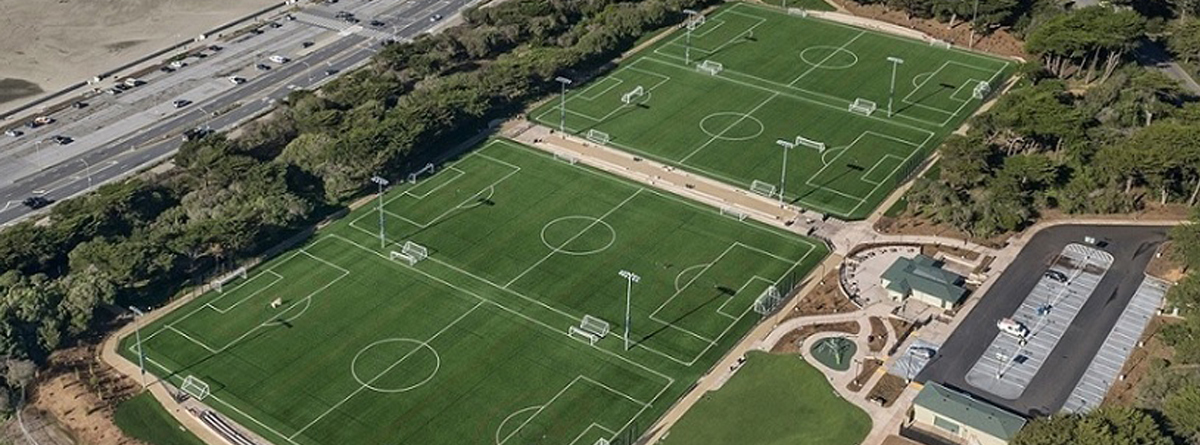
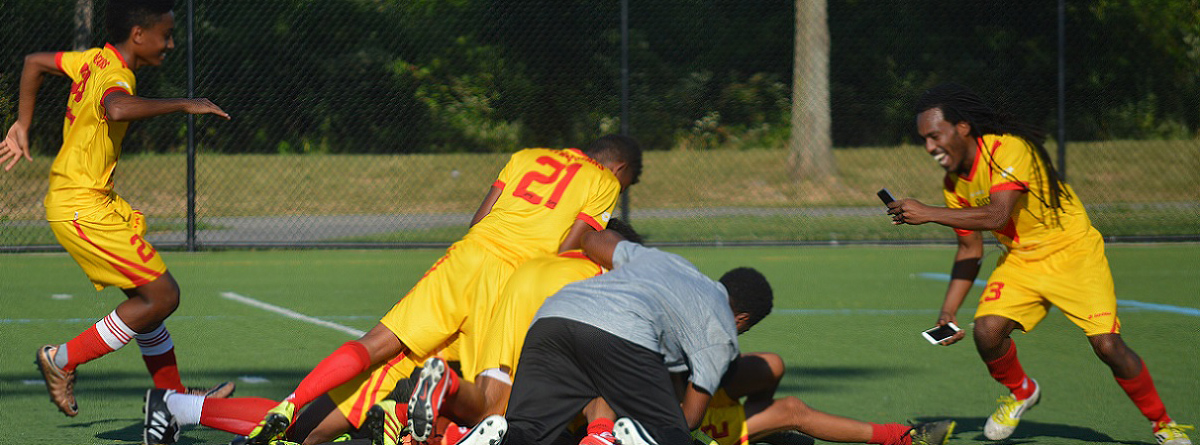
Street soccer is a popular recreational activity in Oman, where children and teenagers regularly gather in neighbourhood areas, school playgrounds, public courts, parks, and community spaces to enjoy informal football matches. These games provide a fun and accessible way for young players to stay active, build friendships, and improve their football skills.
The fast-paced nature of street soccer encourages close ball control, quick passing, creative dribbling, and intelligent movement. Playing on smaller pitches helps participants develop confidence, teamwork, and adaptability while learning to make quick decisions in different match situations.
Street soccer offers an affordable way for communities across Oman to enjoy football without requiring professional facilities. It promotes healthy lifestyles, strengthens local connections, and inspires many young people to continue developing their passion for the sport.
Street Soccer Culture in Oman
Football is one of the most popular sports in Oman, and street soccer is often where many children first discover their love for the game. Informal matches organised by schools, friends, and local communities create an energetic environment where players of different ages and abilities can participate.
Skills Developed Through Street Soccer
Street soccer helps players improve dribbling, first touch, passing accuracy, agility, balance, ball control, and awareness. Regular games also strengthen communication, creativity, confidence, and the ability to make quick decisions during fast-paced matches.
Street Soccer and Community Development
Street soccer brings communities together through football while encouraging teamwork, positive youth participation, and active lifestyles. It also provides aspiring players with valuable experience before progressing to school teams, local football clubs, academies, or organised youth football programmes.
The OMAN in the DMV Metro

The Omani diaspora in the DMV (District of Columbia, Maryland, and Virginia) is a small, highly specialized, and largely transient community. Unlike larger Gulf and Arab-American populations, permanent Omani migration to the United States remains limited. The DMV population is therefore concentrated primarily among diplomatic families, government-sponsored students, military personnel receiving training, academics, and professionals connected to Oman-U.S. relations, rather than forming a traditional suburban ethnic enclave.
Cultural Hubs & Community Networks
-
Embassy Hub: The Embassy of the Sultanate of Oman in Washington, D.C., serves as the community's primary diplomatic and administrative anchor. It provides consular services, supports Omani citizens in the region, and hosts official receptions and cultural events, particularly around Oman National Day on November 18.
-
Sultan Qaboos Cultural Center: The Sultan Qaboos Cultural Center (SQCC) serves as the community's principal cultural institution. Through exhibitions, educational programs, Arabic-language initiatives, lectures, and cultural events, it introduces American audiences to Omani history, heritage, maritime traditions, arts, and contemporary society.
-
Embassy & Academic Networks: Because the Omani population is relatively dispersed, community connections often operate through the embassy, universities, scholarship networks, and Omani student associations rather than through permanent neighborhood-based organizations.
Higher Education & Student Networks
-
Government-Sponsored Students: Omani students represent one of the most visible segments of the community in the United States. Many study under government-supported scholarship programs and maintain connections with Omani student associations and cultural offices.
-
DMV Universities: Students attending institutions such as Georgetown University, George Washington University, and George Mason University can form informal networks around academic support, cultural activities, and connections with newly arriving Omani students.
-
Cultural Ambassadors: Omani students frequently help introduce their culture to American campuses through presentations, traditional clothing, dates, frankincense, Arabic coffee, and discussions of Oman's history and contemporary society.
Key Cultural Gatherings
-
Oman National Day: Celebrated annually on November 18, National Day provides one of the most important opportunities for Omani citizens and diplomatic networks in Washington to come together. Embassy receptions and related cultural programming bring together Omani nationals, diplomats, American officials, academics, and members of the broader Gulf community.
-
Passport DC: The annual Passport DC embassy-tour program provides the Omani diplomatic community with a major public-facing cultural platform. Visitors can experience Omani hospitality, traditional Arabic coffee, handicrafts, historical displays, and presentations about the Sultanate's distinctive geography and cultural heritage.
-
Academic & Cultural Events: Lectures, university programs, cultural exhibitions, and diplomatic receptions organized through the embassy and SQCC provide additional opportunities for Omanis and Oman-focused scholars to connect.
Culinary & Social Anchors
Because the Omani community is too small to support a distinct commercial enclave, its social life overlaps substantially with the broader Gulf, Arab, and MENA communities throughout the DMV.
-
Northern Virginia: Areas such as Tysons, McLean, Fairfax, and the wider Northern Virginia corridor provide access to Middle Eastern restaurants, cafés, halal markets, and social venues frequented by Gulf nationals.
-
Washington, D.C.: Foggy Bottom and other central neighborhoods provide convenient meeting points for diplomats, students, academics, and international professionals connected to the region.
-
Gulf Social Networks: During Eid, Ramadan, National Day celebrations, and other major occasions, Omanis often participate in broader Gulf and Arab community gatherings rather than relying exclusively on Omani-specific venues.
Overall, the Omani community in the DMV is defined less by geographic concentration and more by diplomacy, education, government connections, and cultural exchange. The Embassy of Oman and Sultan Qaboos Cultural Center provide the institutional backbone, while universities, scholarship networks, and the broader Gulf community provide the social infrastructure for this small but internationally connected population.
Significance
Immigration from Oman has generally reflected educational opportunities, professional employment, economic development, international business, family reunification, skilled migration, diplomatic relations, and cultural exchange.
Migration from Oman has historically been shaped by its maritime trading heritage, strategic location on the Arabian Peninsula, and expanding economic opportunities. Omanis have commonly migrated to neighboring Gulf countries, the United Kingdom, India, and other nations for higher education, specialized employment, business, and family connections. Overseas migration to the United States has remained comparatively modest and has primarily involved students, healthcare professionals, academics, entrepreneurs, government officials, and skilled workers pursuing university education, professional careers, scientific research, and business investment. Today, Omani immigrants in the United States maintain strong cultural, linguistic, and family ties with their homeland while contributing to diverse professional sectors.
Omani Migration Before the Modern Sultanate
Before the establishment of the modern Sultanate, Oman was an independent maritime power that built an extensive trading network across the Arabian Peninsula, East Africa, India, and the Persian Gulf. During the nineteenth century, the country entered into a series of treaties with the United Kingdom, which influenced its foreign relations while preserving Omani sovereignty. Migration during this period was shaped by maritime commerce, fishing, agriculture, government administration, religious scholarship, and regional trade. Omanis travelled widely as merchants, sailors, fishermen, students, teachers, civil servants, and members of extended families. Direct migration to the United States remained relatively limited because political, educational, and commercial connections were centred primarily on the Gulf region, India, East Africa, and the United Kingdom. Oman and the United States established formal diplomatic relations in 1972, strengthening educational, economic, and commercial cooperation.
Late-Twentieth- and Early-Twenty-First-Century Immigration
Migration increased during the late twentieth and early twenty-first centuries as economic modernization, expanding educational opportunities, and professional careers encouraged more Omanis to pursue opportunities abroad. Students, physicians, engineers, scientists, academics, entrepreneurs, information technology specialists, business professionals, and researchers increasingly travelled to the United States for university education, specialized employment, scientific research, investment, or family reunification. Government scholarship programs, academic exchange initiatives, multinational companies, and international business partnerships have continued to support migration in recent decades. In the United States, Omani immigrants often rely on family networks, mosques, cultural associations, alumni organizations, and professional groups for support with housing, employment, education, and community integration while preserving Arabic, traditional cuisine, cultural heritage, religious practices, and close relationships with relatives in Oman.