Sign In







 Facebook
 X-Twitter
 Instagram
 Linkedin
 Youtube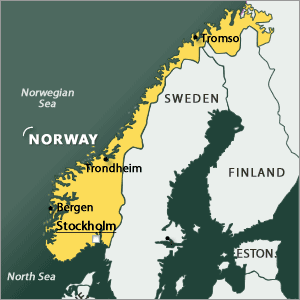
More Information
More Information
Street Soccer in Norway
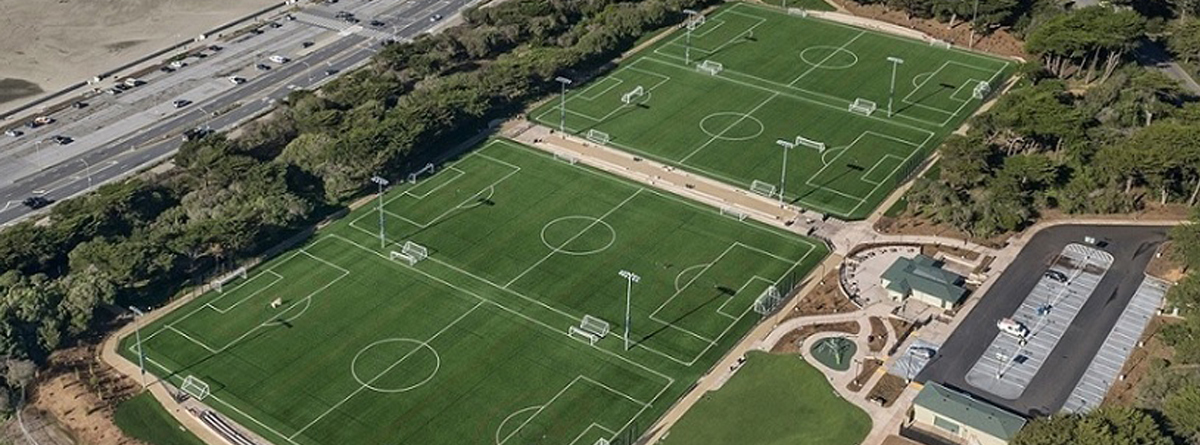
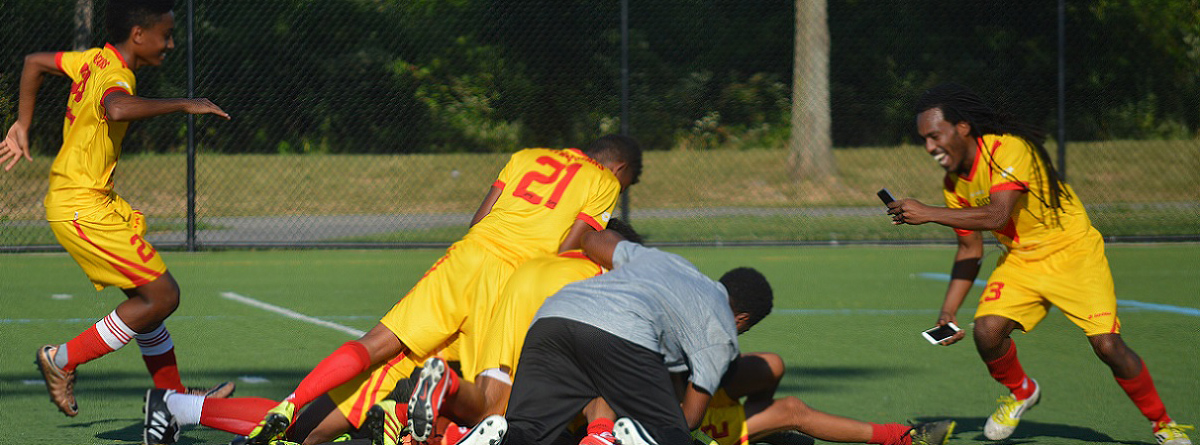
Street soccer is a popular recreational activity in Norway, where children and teenagers regularly play informal football matches in neighbourhood parks, school playgrounds, public courts, and community sports areas. These games provide young players with a fun way to stay active, develop football skills, and enjoy the sport with friends throughout the year.
The fast-paced style of street soccer encourages close ball control, quick passing, creative movement, and smart decision-making. Playing in smaller spaces helps participants improve their technique, teamwork, and confidence while adapting to different outdoor conditions and playing environments.
Street soccer offers an accessible and affordable way for communities across Norway to enjoy football without requiring professional facilities. It promotes healthy lifestyles, strengthens local friendships, and encourages young people to continue their involvement in the sport.
Street Soccer Culture in Norway
Football is one of the most popular sports in Norway, and street soccer is often where many children first discover their passion for the game. Informal matches organised by schools, neighbours, and community groups create a welcoming environment where players of different ages and abilities can participate.
Skills Developed Through Street Soccer
Street soccer helps players improve dribbling, first touch, passing accuracy, agility, balance, ball control, and tactical awareness. Regular games also develop communication, creativity, confidence, and the ability to make quick decisions during fast-paced situations.
Street Soccer and Community Development
Street soccer brings communities together through football while encouraging teamwork, active lifestyles, and positive youth participation. It also provides aspiring players with valuable experience before progressing to school teams, local football clubs, academies, futsal programmes, or organised youth football competitions.
The NORWAY in the DMV Metro

The Norwegian diaspora in the DMV (District of Columbia, Maryland, and Virginia) is a highly educated, professional, and internationally connected community. Unlike the historic Norwegian-American settlements of the Upper Midwest, the DMV population is shaped largely by diplomats, defense and security professionals, international organization employees, renewable-energy specialists, maritime professionals, academics, and corporate executives.
Cultural Hubs & Community Networks
-
Embassy Hub: The Royal Norwegian Embassy in Washington, D.C. serves as the community's primary diplomatic and cultural anchor. Beyond its official role, the embassy supports cultural programming, public diplomacy, international conferences, and community receptions focused on issues ranging from transatlantic security to Arctic affairs and climate policy.
-
Norwegian Church & Cultural Ministry: Norwegian church and seafarer traditions continue to provide an important cultural connection for Norwegian families abroad. Seasonal services, Christmas gatherings, language activities, and family celebrations help maintain Norwegian traditions within the wider DMV community.
-
Sons of Norway: Sons of Norway provides a longstanding fraternal network for Norwegian-Americans and people connected to Norwegian heritage. Local members participate in cultural meetings, heritage activities, social gatherings, and programs dedicated to preserving Norwegian traditions and crafts such as rosemaling.
Key Cultural Gatherings
-
Syttende Mai — Norwegian Constitution Day: Celebrated annually on May 17, Syttende Mai is the centerpiece of Norwegian community life. Local families gather with Norwegian flags, bunad traditional dress, children's activities, music, and Norwegian food. The celebration provides an especially visible opportunity for Norwegian-Americans, expatriates, and families to come together.
-
Norwegian Christmas Bazaar: The annual Christmas bazaar is one of the community's most popular seasonal events. Visitors can purchase Norwegian specialty foods, chocolates, baked goods, knitwear, crafts, and Christmas decorations while participating in a distinctly Norwegian holiday tradition.
-
Passport DC: During the annual Passport DC embassy events, the Norwegian Embassy opens its doors to the wider Washington public. The program provides an opportunity to showcase Norwegian culture, Scandinavian design, environmental innovation, food traditions, and contemporary Norwegian society.
Culinary & Social Anchors
Because the DMV does not have a large Norwegian commercial enclave, the community's culinary and social life is spread across Scandinavian specialty retailers, international markets, restaurants, embassies, and private gatherings.
-
Scandinavian Food Network: Norwegian families and expatriates seek out specialty markets and international seafood retailers for traditional ingredients such as salmon, cod, brown cheese (brunost), lefse, and Norwegian baked goods.
-
Annapolis & Alexandria: The broader maritime culture around Annapolis and Alexandria provides a natural social connection for Norwegians because of the region's strong relationship with sailing, shipping, seafood, and the broader Atlantic maritime community.
-
Digital Expat Networks: Online communities such as Norwegians in DC and Norwegian-focused expatriate networks provide practical support for newcomers, including housing information, Norwegian-language connections, professional networking, family activities, and informal meetups.
Overall, the Norwegian community in the DMV is defined by professional mobility, diplomacy, transatlantic relationships, and cultural preservation rather than geographic concentration. The Norwegian Embassy provides the institutional center, while Syttende Mai, Christmas traditions, Sons of Norway, Scandinavian food networks, and expatriate groups provide the social infrastructure that keeps the community connected.
Significance
Immigration from Norway has generally reflected economic opportunity, agricultural settlement, educational advancement, professional employment, family reunification, scientific research, international business, and skilled migration.
Migration from Norway has played a significant role in the history of the United States, particularly during the nineteenth and early twentieth centuries. Large numbers of Norwegians emigrated in search of farmland, economic opportunity, religious freedom, and improved living conditions, establishing thriving communities throughout the American Midwest. In recent decades, migration has increasingly reflected higher education, professional employment, entrepreneurship, scientific research, and multinational business. Today, Norwegian immigrants in the United States include students, physicians, engineers, academics, entrepreneurs, researchers, and skilled professionals who maintain strong cultural, economic, and family ties with Norway.
Norwegian Migration Before Independence
Before becoming fully independent, Norway entered a union with Denmark from 1380 until 1814, followed by a union with Sweden from 1814 to 1905 while retaining considerable domestic autonomy. Migration during the nineteenth century was influenced by limited farmland, population growth, agriculture, maritime industries, fishing, trade, and economic opportunity. Between the 1820s and the early twentieth century, hundreds of thousands of Norwegians travelled to the United States as farmers, sailors, merchants, craftsmen, teachers, students, and skilled workers, creating one of the largest Scandinavian immigrant communities in America. Norway peacefully dissolved its union with Sweden and became fully independent on June 7, 1905, and the United States promptly recognized the independent Norwegian state while continuing longstanding diplomatic relations.
Late-Twentieth- and Early-Twenty-First-Century Immigration
Migration patterns evolved during the late twentieth and early twenty-first centuries as Norway developed into one of the world's most prosperous economies. Students, physicians, engineers, scientists, academics, entrepreneurs, information technology specialists, energy professionals, business executives, and researchers increasingly travelled to the United States for university education, specialized employment, scientific collaboration, investment, or family reunification. Academic exchange programs, multinational corporations, research partnerships, and international business have continued to strengthen migration in recent decades. In the United States, Norwegian immigrants often rely on family networks, churches, Norwegian cultural organizations, alumni associations, and professional groups for support with housing, employment, education, and community integration while preserving the Norwegian language, traditional cuisine, cultural heritage, national celebrations, and close relationships with relatives in Norway.