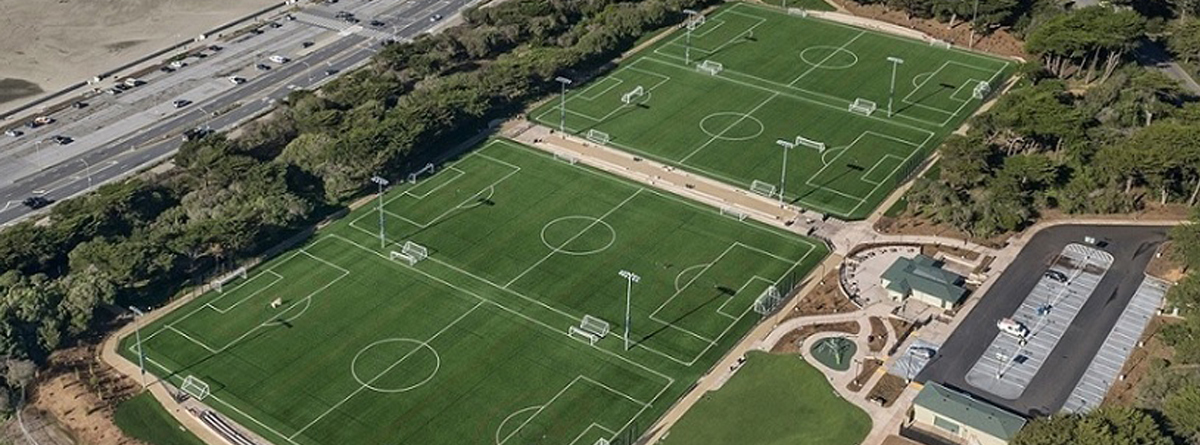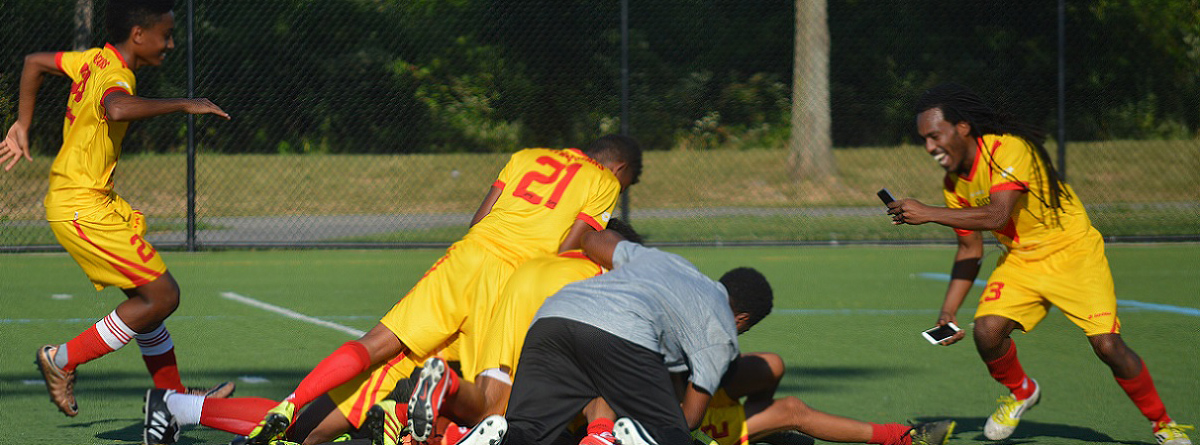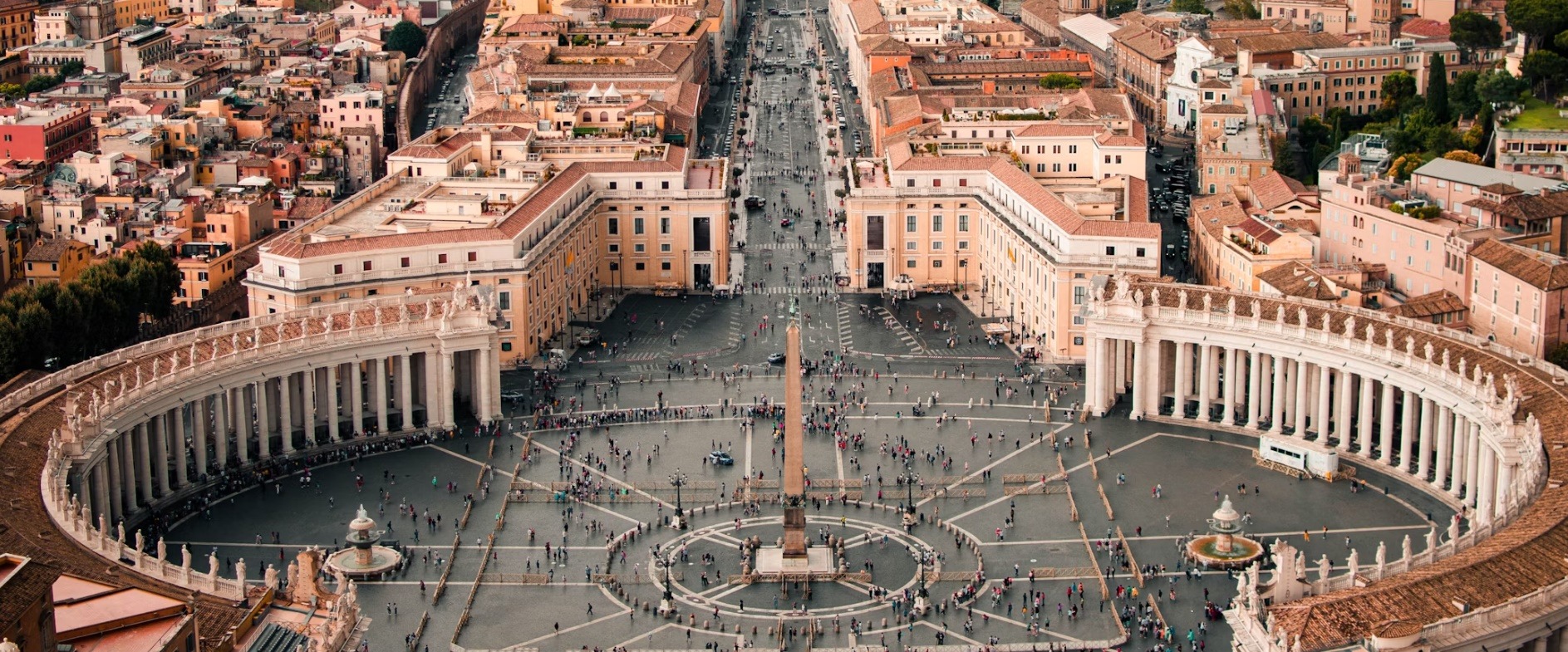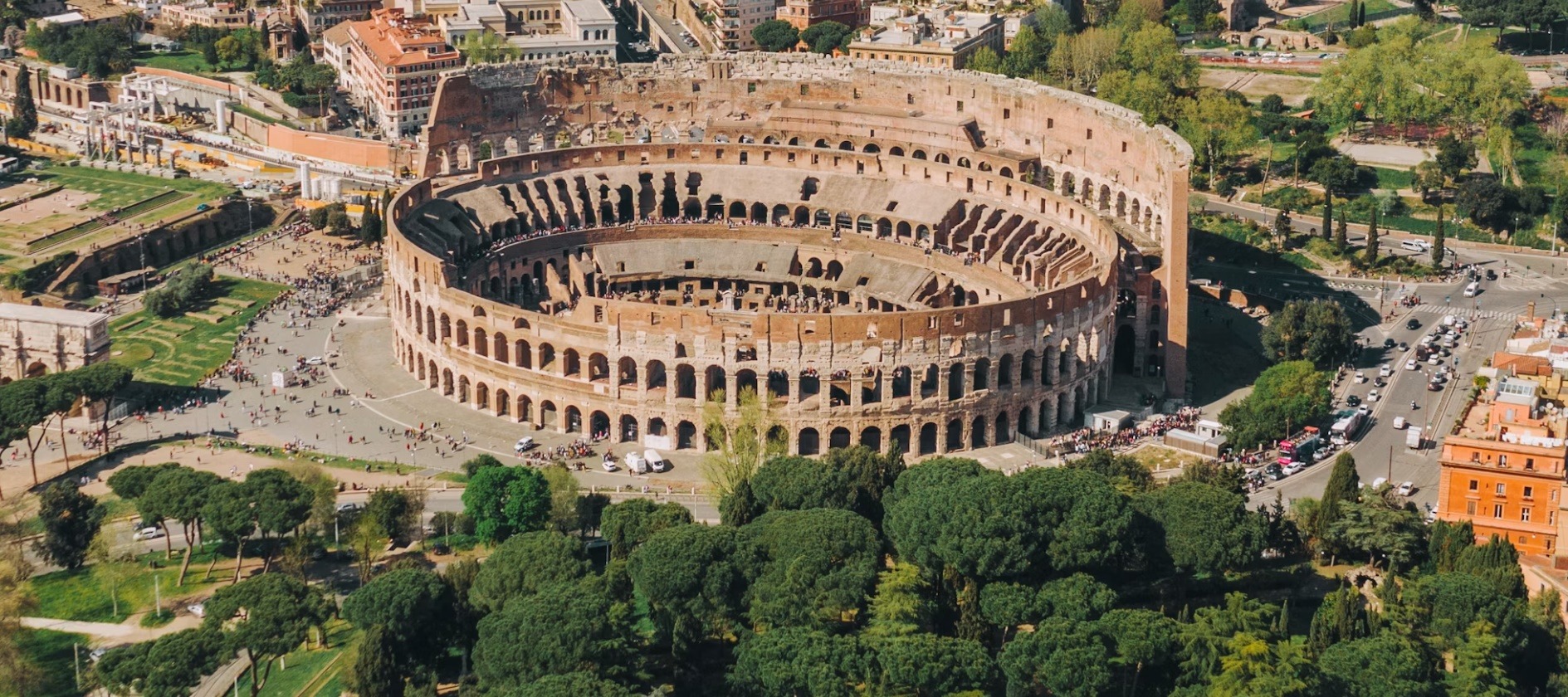

Street soccer has long been a cherished part of football culture in Italy, where children and teenagers regularly play informal matches in neighbourhood squares, school courtyards, public parks, and community sports areas. These games give young players the freedom to enjoy football in a relaxed setting while building friendships and improving their skills through regular play.
The quick tempo of street soccer encourages precise ball control, accurate passing, creative dribbling, and intelligent movement. Playing on smaller pitches challenges participants to think faster, adapt to tight spaces, and develop teamwork while expressing their individual playing style.
Street soccer provides an accessible way for communities across Italy to enjoy football without requiring professional stadiums or large playing fields. It promotes active lifestyles, strengthens neighbourhood connections, and continues to inspire generations of young football enthusiasts.
Football is deeply rooted in Italian culture, and street soccer has traditionally been where many children first develop their love for the game. Friendly matches organised by schools, neighbours, and local communities create an inclusive environment where players of all ages and abilities can participate.
Street soccer helps players improve dribbling, first touch, passing accuracy, agility, balance, ball control, and tactical awareness. Regular games also strengthen communication, creativity, confidence, and quick decision-making under pressure.
Street soccer brings communities together through football while encouraging teamwork, healthy recreation, and positive youth participation. It also provides aspiring players with a strong foundation before progressing to school teams, local football clubs, academies, or organised youth football programmes.
The Italian diaspora in the DMV (Washington, D.C., Maryland, and Virginia) is a large, multi-generational, and professionally influential European-American community. It combines historic Italian-American families with a newer population of diplomats, researchers, scientists, academics, technology professionals, and international-development specialists. The region serves as an important center for Italian cultural diplomacy, scientific exchange, and Italian-American civic life.
The Italian Cultural Society of Washington DC (ICS): Based in Bethesda, Maryland, ICS is a major cultural and educational institution supporting Italian-language learning, youth programs, travel and immersion opportunities, cultural events, and connections among Italian-Americans and Italian expatriates.
ISSNAF – Italian Scientists and Scholars in North America Foundation, DMV Chapter: Provides a specialized professional network for Italian researchers, scientists, and academics working throughout the Washington region. It connects Italian professionals in federal research institutions, universities, healthcare, and science-related fields while supporting science diplomacy.
Italians in DC (IDC): A contemporary social and educational organization connecting Italian expatriates, Italian-Americans, and people interested in Italian culture. Its activities include networking events, social gatherings, professional forums, and cultural programming.
Lido Civic Club of Washington, D.C.: Founded in 1929, the Lido Civic Club represents an important historic Italian-American institution. It combines professional networking, philanthropy, community service, and scholarship programs for local students.
Casa Italiana & Italian American Museum: Casa Italiana provides a heritage-preservation platform in Washington, D.C., supporting Italian-American history, archival research, cultural programming, and educational initiatives.
Embassy and Italian Cultural Institute: Italy's diplomatic and cultural institutions provide an additional layer of infrastructure through exhibitions, lectures, film programs, arts events, language initiatives, and national celebrations.
Suburban & Historic Community Networks: Italian-American families are distributed throughout the DMV, with important cultural and commercial connections in Montgomery County, Bethesda, Arlington, and Washington, D.C. rather than forming a single concentrated ethnic enclave.
Italian Cuisine & Specialty Commerce: Italian restaurants, bakeries, markets, delis, and specialty grocers provide important everyday gathering points. Businesses such as The Italian Store and A. Litteri help residents obtain regional Italian foods, cheeses, cured meats, pasta, wines, and specialty ingredients.
Festa della Repubblica: June 2, Italy's National Day, provides an important diplomatic and community occasion, with Embassy programming showcasing Italian culture, innovation, arts, and contemporary achievements.
NIAF & Italian-American Civic Leadership: The National Italian American Foundation (NIAF) gives the DMV an unusually prominent role in nationwide Italian-American civic and professional life through major conferences, networking programs, and its annual Washington gala.
Arts, Film & Cultural Diplomacy: Italian cultural organizations and diplomatic institutions regularly sponsor film screenings, concerts, exhibitions, lectures, and formal cultural events, reinforcing Washington's role as a major center for Italian cultural diplomacy.
Science & Intellectual Exchange: The community has a particularly strong professional dimension in medicine, biomedical research, science, technology, academia, diplomacy, and international policy, reflecting the region's concentration of institutions such as the NIH and major universities.
Intergenerational Heritage: Language classes, museums, civic clubs, scholarships, food traditions, family associations, and cultural events help maintain Italian heritage across multiple generations while also connecting recent Italian expatriates with established Italian-American families.
Community Structure: The Italian DMV community is best understood as a multi-generational European diaspora with a strong professional and cultural-institutional layer, combining historic Italian-American organizations with modern expatriate, scientific, diplomatic, culinary, and cultural networks.
Anthem video not available.
Immigration from Italy has generally reflected economic opportunity, political change, industrialization, war, education, professional employment, family reunification, entrepreneurship, and international business.
Migration from Italy has played a major role in the history of the United States since the late nineteenth century. Millions of Italians emigrated during periods of economic hardship, rural poverty, population growth, and limited employment opportunities, seeking better lives abroad. Most settled in the United States, where they contributed to construction, manufacturing, agriculture, commerce, transportation, and small business while establishing vibrant Italian American communities. Following the Second World War, migration patterns shifted toward students, scientists, healthcare professionals, entrepreneurs, corporate employees, and family-sponsored immigrants. Today, immigration from Italy is primarily driven by higher education, specialized employment, scientific research, multinational business, and family reunification, with Italian immigrants maintaining strong cultural and economic ties with their homeland.
Before becoming a unified nation, Italy consisted of numerous kingdoms, duchies, republics, and states. Migration was influenced by regional trade, agriculture, political conflict, and economic conditions, with many Italians travelling throughout Europe and the Mediterranean as merchants, craftsmen, sailors, scholars, and laborers. Following the unification of Italy in 1861, large-scale emigration accelerated because of poverty, unemployment, and limited agricultural land, particularly in southern Italy and Sicily. Millions of Italians migrated to the United States during the late nineteenth and early twentieth centuries, working as laborers, miners, railroad workers, farmers, merchants, craftsmen, and entrepreneurs while building strong ethnic communities across American cities.
Migration patterns changed significantly after the Second World War as Italy experienced economic growth, industrial development, and stronger international cooperation. Students, physicians, engineers, scientists, academics, architects, entrepreneurs, information technology specialists, designers, and business professionals increasingly travelled to the United States for university education, specialized employment, research, investment, or family reunification. Academic exchange programs, multinational corporations, and scientific collaboration have continued to encourage professional mobility between the two countries. In the United States, Italian immigrants often rely on family networks, churches, cultural organizations, alumni associations, and professional groups for support with housing, employment, education, and community integration while preserving the Italian language, traditional cuisine, music, religious traditions, cultural festivals, and close relationships with relatives in Italy.

Sign In