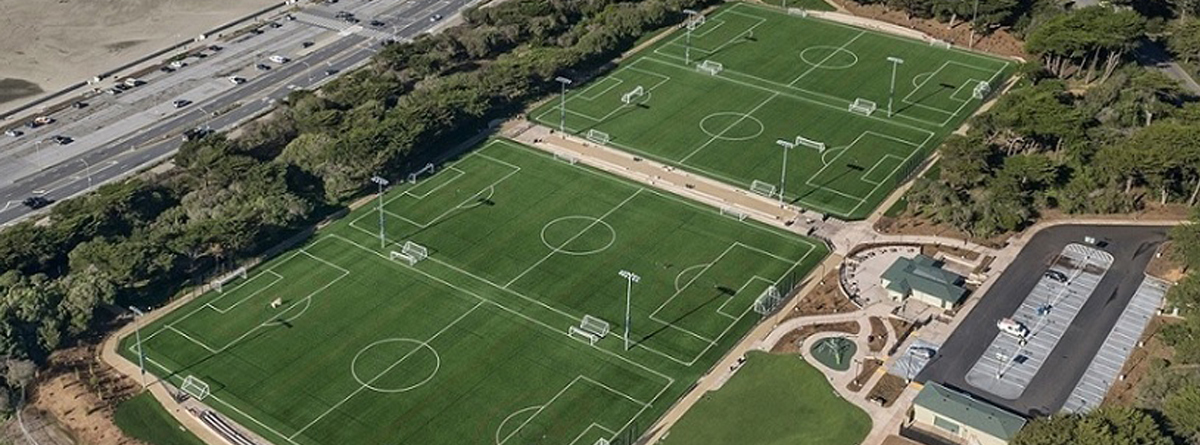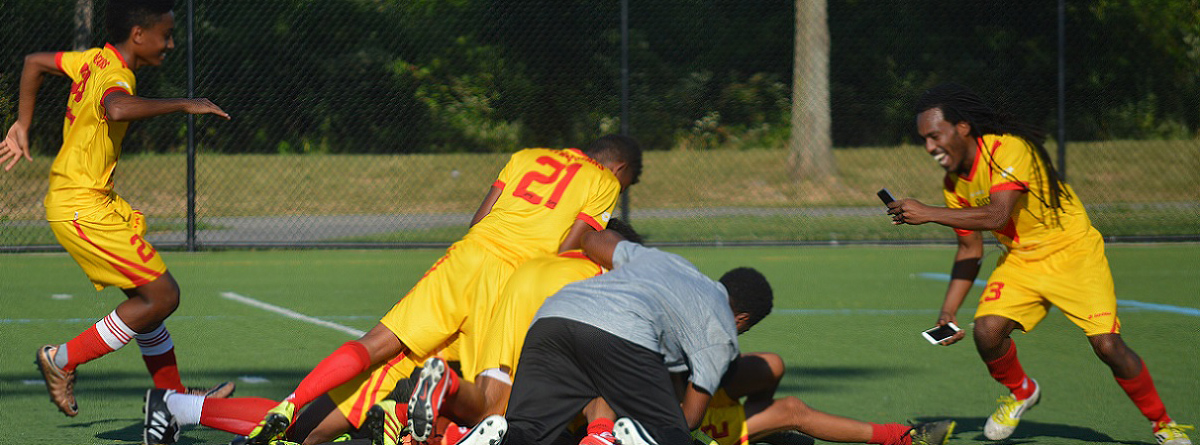

Street soccer is a popular activity in Israel, where children and teenagers regularly gather in neighbourhood parks, school playgrounds, public courts, and community sports areas for informal football matches. These games provide a fun and accessible way for young players to stay active while enjoying football with friends outside organised competitions.
The fast-paced nature of street soccer helps participants improve close ball control, quick passing, agile movement, and creative dribbling. Playing in smaller spaces encourages players to think quickly, communicate effectively, and develop teamwork while adapting to different playing conditions.
Street soccer offers an affordable way for communities across Israel to enjoy football without requiring professional facilities. It promotes healthy lifestyles, strengthens social connections, and inspires many young people to continue developing their passion for the sport.
Football is widely enjoyed in Israel, and street soccer is often where many children first learn the fundamentals of the game. Informal matches organised by schools, neighbours, and local communities create an inclusive environment where players of different ages and skill levels can participate.
Street soccer helps players improve dribbling, first touch, passing accuracy, agility, balance, ball control, and awareness. Regular games also strengthen communication, creativity, confidence, and the ability to make quick decisions during fast-moving matches.
Street soccer brings communities together by encouraging teamwork, positive youth participation, and active outdoor recreation. It also provides aspiring players with valuable experience before progressing to school teams, local football clubs, academies, or organised youth football programmes.
The Israeli diaspora in the DMV (Washington, D.C., Maryland, and Virginia) is a highly educated, professionally influential, and institutionally connected community. It combines Israeli expatriates, Israeli-American families, long-term residents, students, researchers, entrepreneurs, and professionals working in technology, healthcare, defense, diplomacy, and international policy. Community life is particularly concentrated around Rockville and Montgomery County, Maryland, with additional networks throughout Northern Virginia and Washington, D.C.
The Embassy of Israel: Located on International Drive NW in Washington, D.C., the Embassy serves as the primary diplomatic and civic anchor for Israelis in the region. It provides consular services while supporting cultural diplomacy, community outreach, security-related programming, and official national events.
Israeli American Council (IAC) – Washington, D.C.: The IAC provides a dedicated Israeli-American community network focused on strengthening Israeli identity, Hebrew-language and cultural connections, youth leadership, family programming, and civic engagement. Programs such as Eitanim help connect younger generations with Israeli heritage and leadership opportunities.
Bender Jewish Community Center of Greater Washington: Located in Rockville, Maryland, the Bender JCC serves as an important suburban community hub. Its facilities and programming support Israeli and Jewish cultural events, holiday celebrations, Hebrew-oriented activities, educational programs, and social gatherings.
Washington Hebrew Congregation & Local Synagogues: Synagogues throughout the DMV provide important spiritual and social infrastructure for Israeli families and Israeli-American households. They support Hebrew-language activities, holiday programming, family events, youth education, and integration into the broader Jewish community.
Professional & Technology Networks: The community has strong representation in technology, biotechnology, medicine, defense, cybersecurity, research, finance, and entrepreneurship, with many professionals connected to the NIH, federal agencies, universities, and the Northern Virginia technology corridor.
Rockville & Montgomery County: Rockville functions as an important suburban center of Israeli and Jewish community life, with the Bender JCC, synagogues, schools, kosher businesses, and cultural organizations creating a dense network of social institutions.
Hebrew & Heritage Preservation: Hebrew-language programs, youth groups, summer camps, Israeli cultural events, and family networks help maintain language and cultural identity among Israeli expatriates and Israeli-American children.
Israeli National & Cultural Events: Embassy programs, Israeli Independence Day celebrations, cultural festivals, film screenings, and community gatherings provide opportunities to celebrate Israeli heritage and maintain connections with Israel.
Jewish Community Overlap: Because Israeli identity and Jewish community life are closely interconnected for many residents, Israelis in the DMV frequently participate in broader Jewish institutions, synagogues, community centers, schools, and charitable organizations.
Culinary Connections: Israeli restaurants, kosher markets, bakeries, and Middle Eastern food businesses provide important social spaces. Restaurants such as Sababa and specialty markets in Rockville and Silver Spring help residents access Israeli products, prepared foods, pita, cheeses, snacks, and other familiar staples.
Professional & Business Networking: Informal networks connect Israeli technology professionals, biomedical researchers, entrepreneurs, defense specialists, and consultants across Maryland, Washington, D.C., and Northern Virginia, creating a strong professional ecosystem.
Community Structure: The Israeli DMV community is best understood as a professionally integrated, institutionally anchored diaspora, with the Embassy and IAC providing national-community infrastructure while the JCCs, synagogues, schools, restaurants, and professional networks sustain everyday social and cultural life.
Immigration from Israel has generally reflected political change, regional conflict, educational opportunities, professional employment, scientific research, entrepreneurship, family reunification, religious connections, and international business.
Migration from Israel has historically been shaped by the country's establishment, regional conflicts, economic development, and strong international ties. Since Israel's founding in 1948, many Israelis have travelled abroad for higher education, professional careers, business, scientific research, military-related expertise, and family reunification. The United States has become one of the principal destinations for Israeli students, entrepreneurs, healthcare professionals, academics, technology specialists, and business leaders. In recent decades, expanding cooperation in technology, medicine, research, and international commerce has continued to encourage migration while Israeli immigrants maintain strong cultural, linguistic, religious, and family connections with their homeland.
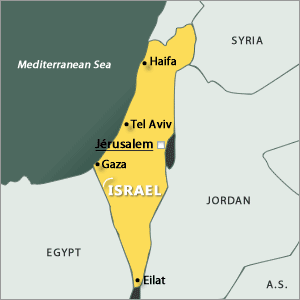
Before independence, the territory formed part of the Ottoman Empire until the First World War and later became the British Mandate for Palestine. Migration during this period was influenced by religious pilgrimage, agriculture, trade, political developments, and successive waves of Jewish immigration from Europe, the Middle East, and North Africa. Residents also travelled abroad as merchants, students, religious leaders, civil servants, and professionals. Direct migration to the United States remained relatively limited, although some individuals emigrated for education, commerce, and family reasons. Following the end of the British Mandate, the State of Israel declared independence on May 14, 1948, and the United States became the first country to recognize the new state.
Migration patterns evolved after Israel's establishment as higher education, scientific research, entrepreneurship, and international business created new opportunities abroad. Students, physicians, engineers, scientists, academics, entrepreneurs, information technology specialists, corporate executives, and business professionals increasingly travelled to the United States for university education, specialized employment, research, investment, or family reunification. Regional conflicts and security concerns have also influenced migration decisions for some Israelis, while close economic and technological cooperation between Israel and the United States has strengthened professional mobility. In the United States, Israeli immigrants often rely on family networks, synagogues, cultural organizations, alumni associations, and professional groups for support with housing, employment, education, and community integration while preserving Hebrew, traditional cuisine, music, cultural heritage, religious practices, and close relationships with relatives in Israel.

Sign In