Sign In







 Facebook
 X-Twitter
 Instagram
 Linkedin
 Youtube
More Information
More Information
Street Soccer in South Korea
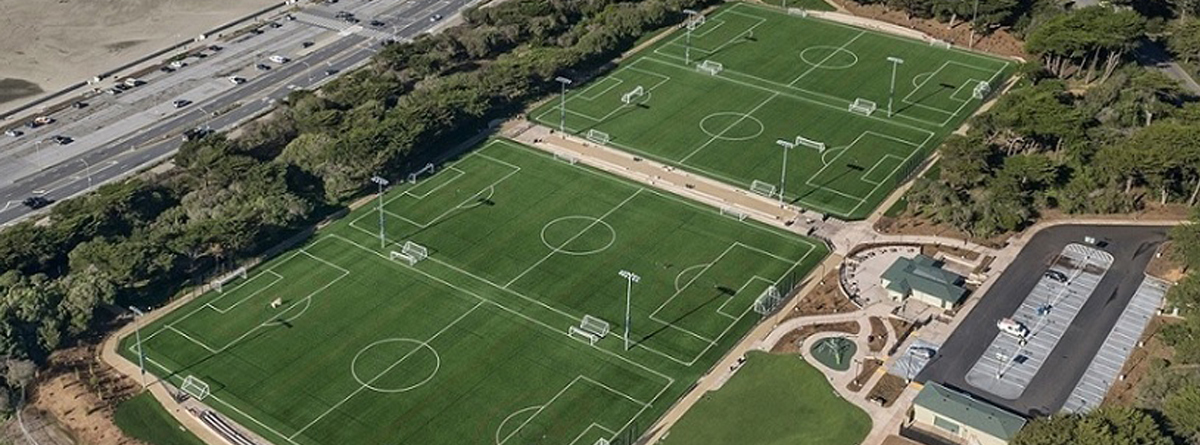
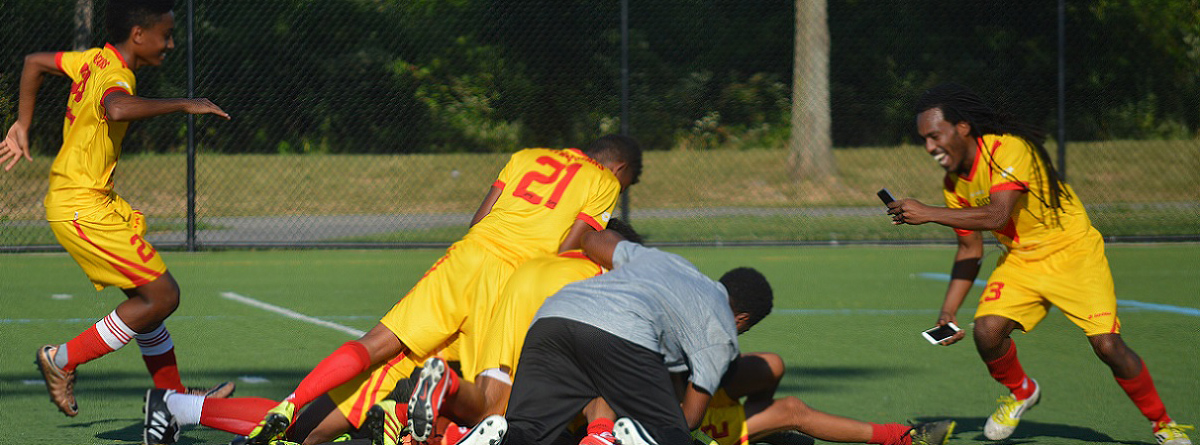
Street soccer is a popular recreational activity in South Korea, where children and teenagers regularly play informal football matches in neighbourhood parks, school playgrounds, community sports courts, public facilities, and local futsal grounds. These games provide young players with an enjoyable way to stay active, improve their football skills, and build friendships through the sport.
The fast-paced and technical style of street soccer encourages precise passing, close ball control, creative dribbling, and intelligent movement. Playing in compact spaces helps participants develop quick decision-making, confidence, teamwork, and adaptability while improving their overall football technique.
Street soccer offers an accessible and affordable way for communities across South Korea to enjoy football without requiring professional stadiums or large facilities. It promotes healthy lifestyles, strengthens community relationships, and inspires many young players to continue developing their passion for the game.
Street Soccer Culture in South Korea
Football is widely enjoyed throughout South Korea, and street soccer is often where many children first experience the excitement of the game. Informal matches organised by schools, neighbourhood groups, and local communities create a welcoming environment where players of different ages and skill levels can participate throughout the year.
Skills Developed Through Street Soccer
Street soccer helps players improve dribbling, first touch, passing accuracy, shooting technique, agility, balance, ball control, tactical awareness, and spatial awareness. Regular games also strengthen communication, creativity, confidence, and the ability to make quick decisions under pressure.
Street Soccer and Community Development
Street soccer brings communities together through football while encouraging teamwork, positive youth participation, and active lifestyles. It also provides aspiring players with valuable experience before progressing to school teams, local football clubs, academies, futsal programmes, or organised youth football competitions.
The SOUTH K. in the DMV Metro

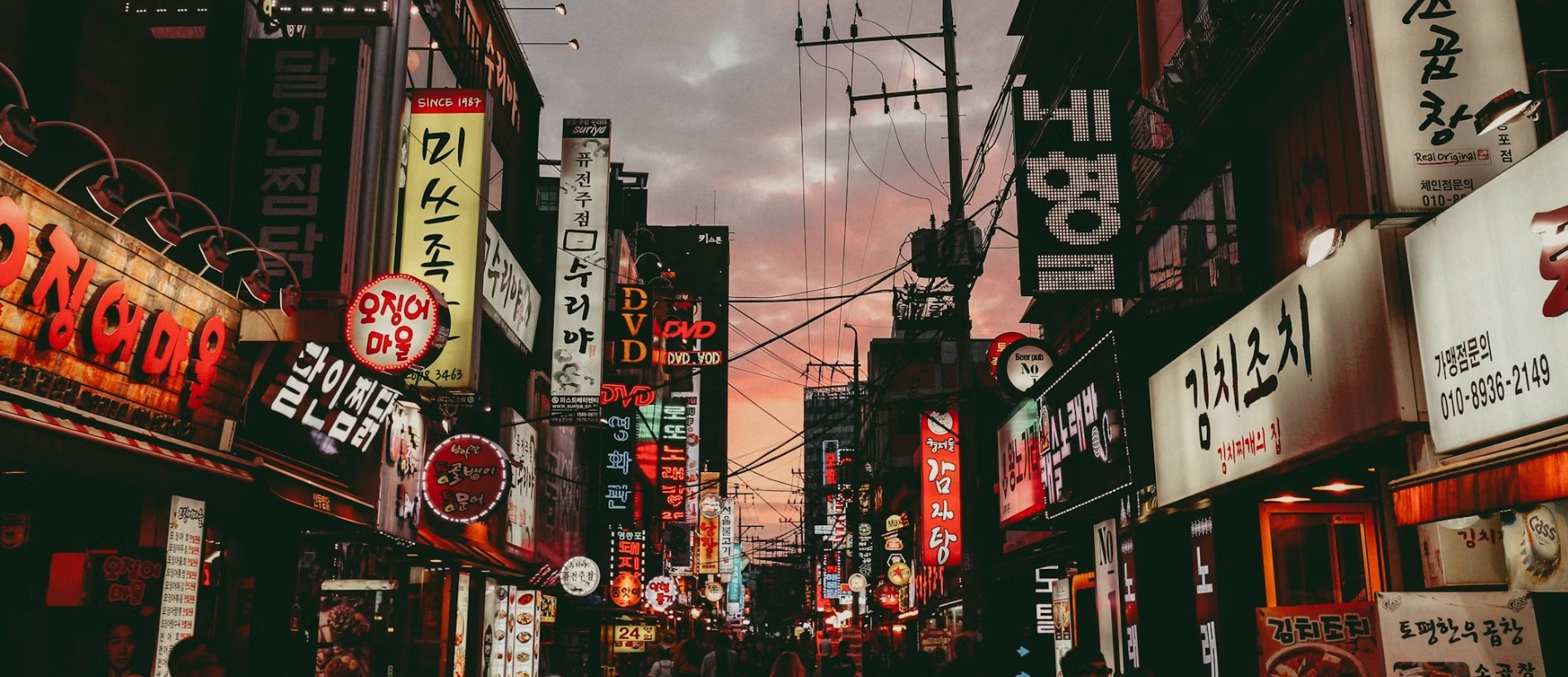
- Koreatown Annandale (The Historic Core): Long recognized as the traditional "Koreatown" of the DMV, Annandale, VA, hosts a dense concentration of multi-generational, Korean-owned businesses along Little River Turnpike. This area features 24-hour barbecue joints, traditional bathhouses (jjimjilbangs), independent bakeries, and specialist legal, banking, and medical services operating entirely in Korean.
- The Centreville & Chantilly Expansion: Driven by newer residential developments and the tech corridor, a massive secondary Korean enclave has emerged in Centreville and Chantilly, VA. This suburb features sprawling shopping plazas anchored by major ethnic supermarkets like H Mart and Mega Mart, driving a younger, fast-paced culinary and entertainment scene.
- The Maryland Corridor (Ellicott City): While technically just north of the immediate DMV boundary, the dense Korean community along Route 40 in Ellicott City, MD (frequently dubbed "Korean Way"), acts as the primary cultural and culinary hub for Korean families living in the Maryland suburbs of Montgomery and Howard counties.
- The KCC (Korean Cultural Center Washington, D.C.): Operating under the Embassy of the Republic of Korea on Embassy Row, the KCC acts as a premier public showcase. It hosts K-Pop dance academies, contemporary art exhibitions, and traditional Korean cooking classes, bridging Seoul's soft power with the broader American public.
- The KORUS Festival: Organized annually by the Korean American Association of the Washington Metropolitan Area (KAAW), the KORUS Festival is a massive public celebration of Korean-American heritage. Drawing tens of thousands of visitors, the multi-day festival features live K-Pop performances, traditional Hanbok fashion shows, and endless street food vendors.
- The Korean War Veterans Memorial Advocacy: Local diaspora organizations actively fund and maintain structural networks surrounding the Korean War Veterans Memorial on the National Mall. The community routinely coordinates commemorative events and diplomatic wreaths to honor the ironclad U.S.–South Korea alliance.
- Megachurch Infrastructures: Massive spiritual complexes—such as the Korean Central Presbyterian Church (KCPC) in Centreville and Global Mission Church in Silver Spring, MD—serve as the ultimate social safety nets. Beyond worship, these megachurches operate extensive Korean heritage language schools, senior daycares, immigrant legal clinics, and youth sports leagues.
- The OKTA Washington Chapter (World Federation of Overseas Korean Traders Associations): This prominent business engine actively connects local Korean-American entrepreneurs, tech executives, and government contractors with international trade pipelines in Seoul and Incheon, hosting regular startup incubators in Northern Virginia.
Significance
South Korean immigration to the United States has generally reflected plantation labour, Japanese colonial rule, war, political instability, overseas education, professional employment, business opportunities, family reunification, and international adoption.
Korean migration to the United States began in significant numbers during the early twentieth century. In 1903, the first major group arrived in Hawaii, where many worked on sugar plantations alongside labourers from other Asian and European countries. Additional arrivals included students, political activists, merchants, religious leaders, and women who migrated as picture brides. Immigration later expanded after World War II and the Korean War, bringing students, military spouses, adopted children, refugees, and professionals. South Korean communities developed particularly in California, New York, New Jersey, Virginia, Texas, Illinois, and Hawaii, where immigrants established churches, businesses, newspapers, schools, restaurants, professional associations, and cultural organisations.
Korean Migration Before South Korea
Before the Republic of Korea was established, migration was shaped by rural poverty, political unrest, Japanese colonial rule, missionary connections, and demand for plantation workers in Hawaii. Early immigrants frequently worked in sugar production before some moved to California and other mainland states for agriculture, mining, domestic service, education, and small-business opportunities. Korean independence activists in the United States organised associations, published newspapers, raised funds, and supported resistance to Japanese control. Immigration became increasingly restricted after Japan assumed authority over Korean foreign relations in 1905 and the United States introduced laws limiting Asian migration. Because Korea had not yet been divided, early migrants were generally identified simply as Koreans rather than as South or North Koreans.
Late-Twentieth- and Early-Twenty-First-Century Immigration
The Republic of Korea was established in 1948, and the United States formally recognised it on January 1, 1949. The Korean War of 1950–1953 produced widespread destruction and encouraged migration through marriage, adoption, education, and humanitarian pathways. The most substantial immigration wave began after the Immigration and Nationality Act of 1965 removed earlier barriers to Asian immigration. South Korean doctors, nurses, engineers, scientists, academics, entrepreneurs, students, and families increasingly settled in the United States through employment and family sponsorship. Korean immigrants created strong commercial and religious communities while preserving the Korean language, food, music, holidays, and family traditions. As South Korea became more prosperous and politically stable, immigration growth slowed, and some immigrants or their American-born children later returned to Korea.