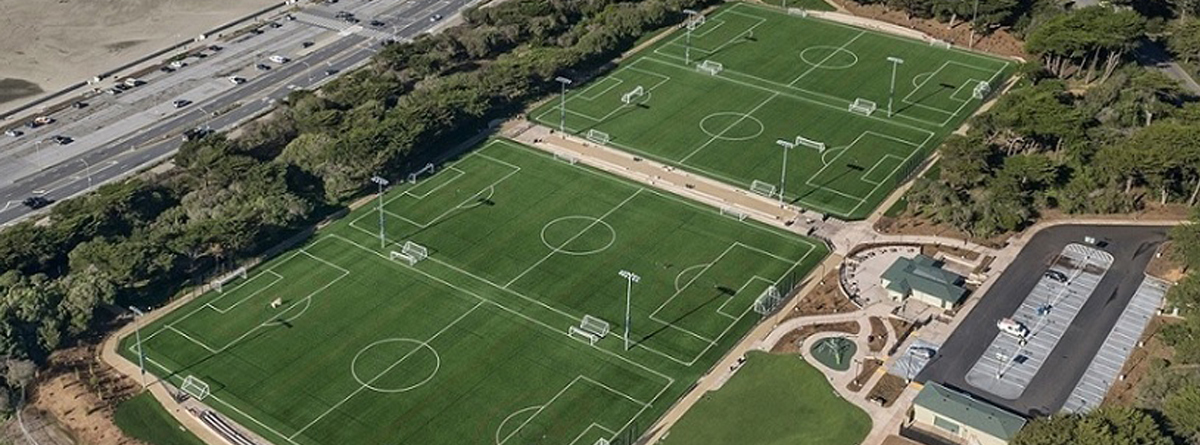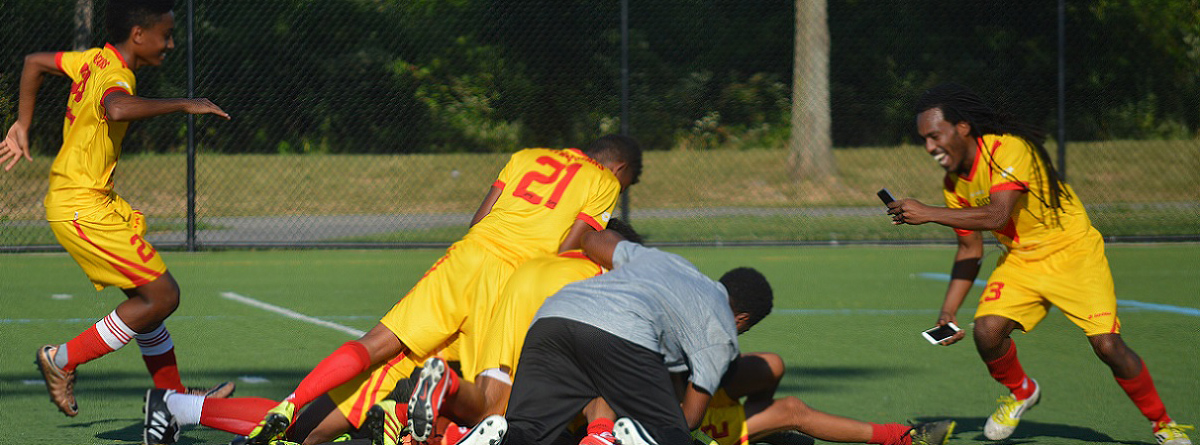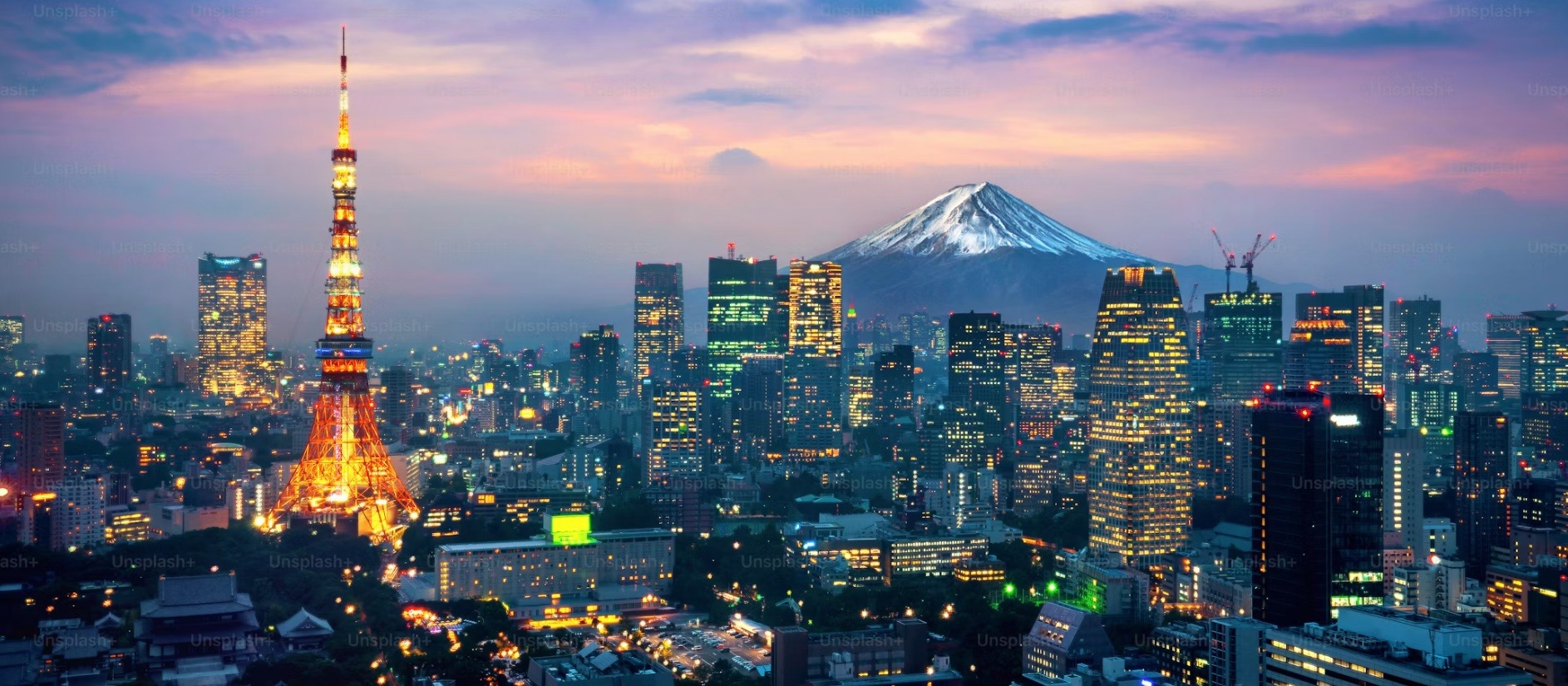

Street soccer is a popular way for children and teenagers in Japan to enjoy football, with informal matches regularly taking place in neighbourhood parks, school playgrounds, public courts, and community sports facilities. These games allow young players to stay active while developing their football skills in a friendly and enjoyable environment outside organised training.
The quick pace of street soccer encourages precise passing, excellent ball control, agile movement, and fast decision-making. Playing on compact courts helps participants improve their technique, discipline, and teamwork while adapting to different opponents and playing conditions through regular practice.
Street soccer provides an accessible way for communities across Japan to enjoy football without requiring large stadiums or professional pitches. It promotes healthy lifestyles, strengthens local friendships, and inspires many young players to continue their football journey.
Football has grown rapidly in Japan, and street soccer is an important part of introducing children to the sport. Informal matches organised by schools, neighbourhood groups, and local communities create a respectful and inclusive environment where players of all skill levels can participate.
Street soccer helps players improve dribbling, first touch, passing accuracy, agility, balance, ball control, and tactical awareness. Regular games also strengthen communication, creativity, confidence, and the ability to make quick decisions in fast-paced situations.
Street soccer brings communities together through football while encouraging teamwork, active lifestyles, and positive youth engagement. It also provides aspiring players with a valuable pathway before progressing to school teams, local football clubs, academies, or organised youth football programmes.
The Japanese diaspora in the DMV (Washington, D.C., Maryland, and Virginia) is a highly educated, professionally prominent, and deeply established Asian-American community. The region combines long-term Japanese-American families with corporate expatriates, diplomats, researchers, students, and professionals working across technology, healthcare, academia, government, and international business. Washington also serves as a major center for U.S.–Japan cultural diplomacy and policy relations.
The Embassy of Japan: Located on Massachusetts Avenue NW in Washington, D.C., the Embassy serves as the principal diplomatic and civic anchor for Japanese nationals and Japanese-American communities in the region. Its Japan Information & Culture Center (JICC) provides exhibitions, lectures, film programs, educational resources, and cultural activities.
Japan-America Society of Washington DC (JASWDC): A major nonprofit institution connecting Japanese and American communities through cultural programming, professional events, language education, lectures, and youth activities. It also plays a central role in organizing major Japanese cultural events in the capital.
Japan Society for the Promotion of Science (JSPS) – Washington Office: Supports the region's extensive network of Japanese researchers and academics, particularly those connected to institutions such as the NIH, Johns Hopkins, and other major research centers.
Washington Japanese Language School: A weekend supplementary school that provides Japanese-language and cultural education for children of Japanese families and other students seeking to maintain connections with Japanese language and heritage.
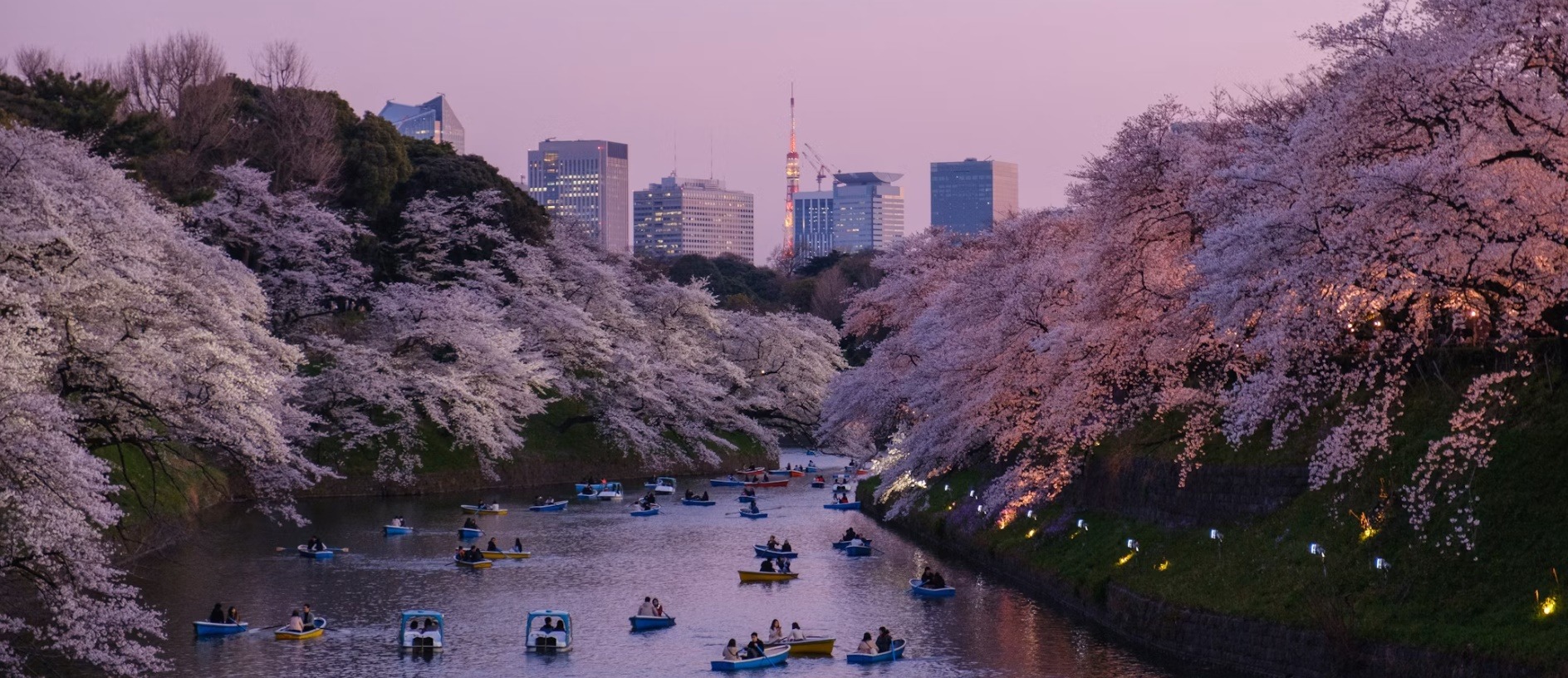
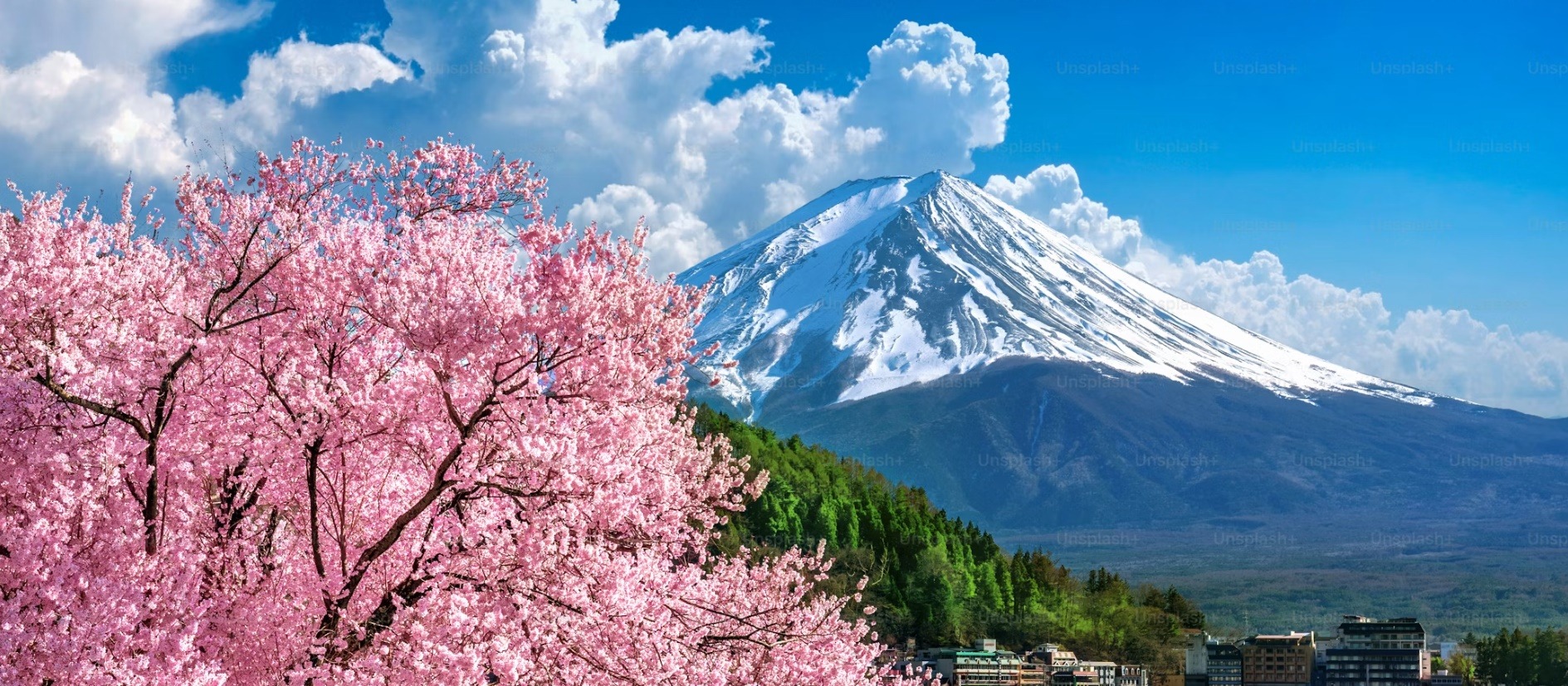
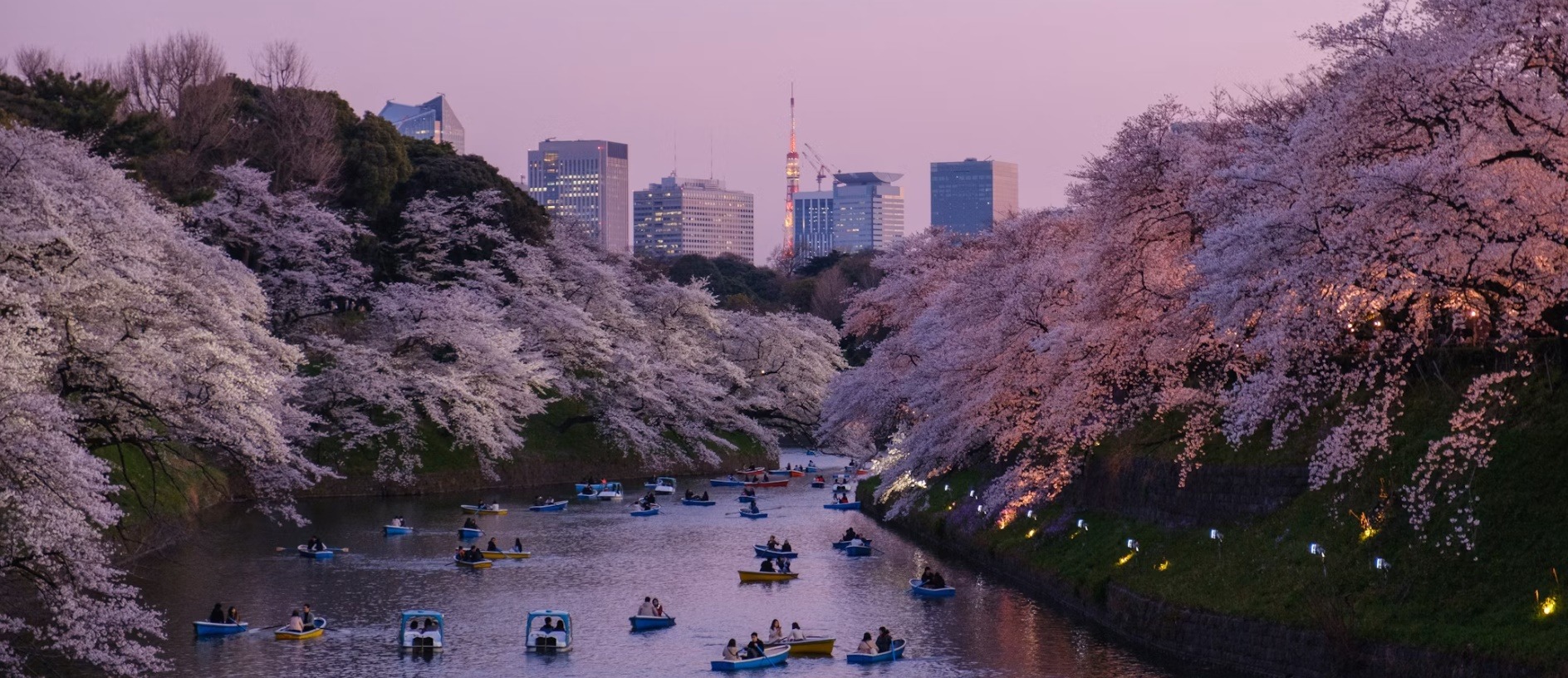
Cherry Blossom Legacy: Washington's Japanese community is closely associated with the National Cherry Blossom Festival, commemorating the 1912 gift of cherry trees from Tokyo. The celebration provides one of the region's most visible expressions of Japanese-American friendship and cultural exchange.
Sakura Matsuri – Japanese Street Festival: Organized by JASWDC, the festival is a major public celebration featuring Japanese traditional arts, pop culture, martial arts, music, food, and commercial exhibitors, attracting large audiences from throughout the region.
Suburban Family Networks: Japanese families are widely integrated throughout communities such as Bethesda, Rockville, and Northern Virginia, with schools, cultural organizations, churches, Buddhist institutions, and Japanese businesses helping maintain social connections.
Professional & Academic Networks: The DMV Japanese community has particularly strong links to government, diplomacy, international business, science, healthcare, technology, and research, reflecting both Washington's institutional landscape and Japan's extensive U.S. partnerships.
Language & Heritage Preservation: Japanese-language schools, children's programs, cultural associations, and family networks play an important role in maintaining Japanese linguistic and cultural knowledge across generations.
Culinary & Commercial Networks: Japanese restaurants, izakayas, sushi establishments, and specialized grocery stores provide important everyday gathering spaces. Markets such as Japanese specialty groceries help families obtain imported ingredients, prepared foods, and household products.
U.S.–Japan Civic Exchange: Beyond the Japanese diaspora itself, local organizations actively connect Japanese residents with American policymakers, students, researchers, businesses, and cultural institutions, making the DMV a major hub for U.S.–Japan educational, economic, and diplomatic exchange.
Immigration from Japan has generally reflected economic opportunity, educational advancement, professional employment, political change, scientific research, entrepreneurship, family reunification, and international business.
Migration from Japan has played an important role in the history of the United States since the late nineteenth century. Early Japanese immigrants arrived seeking agricultural work, economic opportunity, and improved living conditions, primarily settling in Hawaii and the western United States. Immigration patterns changed significantly after the Second World War, shifting from labor migration to higher education, scientific research, professional employment, multinational business, and family reunification. Today, Japanese immigrants include students, researchers, healthcare professionals, engineers, entrepreneurs, and corporate executives who maintain strong cultural, economic, and family ties between Japan and the United States.
Before the modern era, Japan experienced limited overseas migration under the Tokugawa Shogunate's policy of national isolation. Following the Meiji Restoration of 1868, rapid modernization and industrialization encouraged overseas migration as many Japanese sought economic opportunities abroad. During the late nineteenth and early twentieth centuries, thousands of Japanese emigrated to Hawaii, the continental United States, Canada, Peru, and Brazil as farmers, fishermen, laborers, merchants, and small business owners. Immigration to the United States became more restricted after the Immigration Act of 1924, which significantly limited immigration from Japan. These early immigrant communities laid the foundation for today's Japanese American population.
Migration patterns evolved after the Second World War as Japan became one of the world's leading industrial and technological economies. Students, physicians, engineers, scientists, academics, entrepreneurs, information technology specialists, researchers, and corporate executives increasingly travelled to the United States for university education, specialized employment, scientific collaboration, investment, or family reunification. Academic exchange programs, multinational corporations, and technological partnerships have continued to strengthen migration between the two countries. In the United States, Japanese immigrants often rely on family networks, cultural organizations, Japanese language schools, alumni associations, and professional groups for support with housing, employment, education, and community integration while preserving the Japanese language, traditional cuisine, cultural festivals, religious traditions, arts, and close relationships with relatives in Japan.
| Teams | Mp | W | D | L | GF | GA | Pt | |
| Antigua B. | 0 | 0 | 0 | 0 | 0 | 0 | 0 | |
| Aruba | 0 | 0 | 0 | 0 | 0 | 0 | 0 | |
| Bosnia H. | 0 | 0 | 0 | 0 | 0 | 0 | 0 | |
| Denmark | 0 | 0 | 0 | 0 | 0 | 0 | 0 | |
| Ecuador | 0 | 0 | 0 | 0 | 0 | 0 | 0 | |
| Indonesia | 0 | 0 | 0 | 0 | 0 | 0 | 0 | |
| Japan | 0 | 0 | 0 | 0 | 0 | 0 | 0 | |
| Laos | 0 | 0 | 0 | 0 | 0 | 0 | 0 | |
| Papua N.G. | 0 | 0 | 0 | 0 | 0 | 0 | 0 | |
| Slovenia | 0 | 0 | 0 | 0 | 0 | 0 | 0 | |

Sign In