Sign In







 Facebook
 X-Twitter
 Instagram
 Linkedin
 Youtube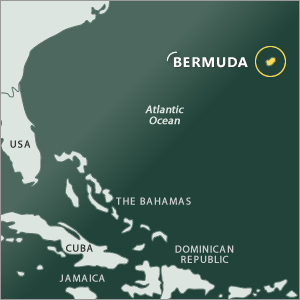
More Information
More Information
Street Soccer in Bermuda
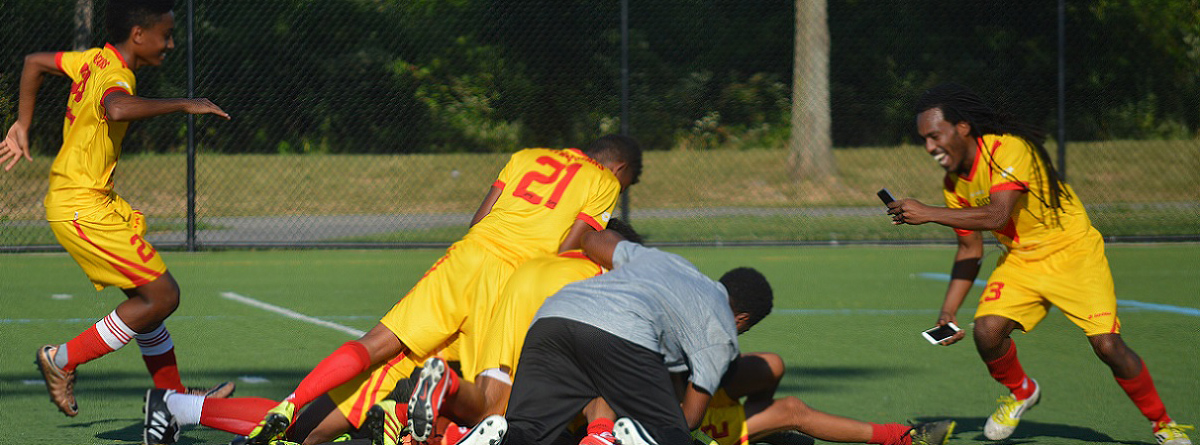
Street soccer is a popular activity in Bermuda, where children and teenagers enjoy informal football matches in neighbourhoods, school playgrounds, parks, and community open spaces. These friendly games are often played after school and on weekends, giving young players a fun way to stay active while spending time with friends.
Playing in smaller areas helps participants improve ball control, passing accuracy, quick footwork, and movement. The fast pace of street soccer also encourages teamwork, creativity, and confidence, allowing players to sharpen their skills through regular play.
Street soccer provides an affordable and accessible way for communities across Bermuda to enjoy football without the need for professional facilities. It promotes healthy lifestyles, strengthens friendships, and encourages young people to develop a lasting interest in the sport.
Street Soccer Culture in Bermuda
Football is widely enjoyed in Bermuda, and street soccer is often where many young players first learn the game. Informal matches organised by friends, schools, and local communities create a welcoming environment where players of different ages and abilities can take part.
Skills Developed Through Street Soccer
Street soccer helps players improve dribbling, first touch, passing, agility, balance, close ball control, and awareness. The quick flow of the game also builds communication, decision-making, and confidence in competitive situations.
Street Soccer and Community Development
Street soccer brings people together through a shared love of football while encouraging active participation within local communities. It also provides aspiring players with a solid foundation before progressing to school teams, local football clubs, or organised youth football programmes.
The Bermuda in the DMV Metro

- Bermuda Washington D.C. Office: The formal diplomatic presence of the island is located at 4400 MacArthur Boulevard NW. Managed by the Government of Bermuda, the office fosters international relationships and supports the local diaspora.
- CACCE-GWAN: The Caribbean-American Chamber of Commerce - Greater Washington Area Network officially serves and supports Bermudian-owned businesses and nonprofits across the DMV.
- Bermuda Day in the DMV: Celebrated annually on or around May 24th, this is the community’s primary cultural anchor. The diaspora collaborates with regional Caribbean groups to host heritage celebrations, highlighting traditional music, food, and identity.
- World Pride Presentation: Activist groups like OUTBermuda organize specific representation within D.C.'s large-scale civil events, creating visibility for LGBTQ+ Bermudians on the global stage.
Significance
Bermudian migration has generally reflected British colonial settlement, maritime employment, limited land and job opportunities, family connections, education, military service, tourism, international business, and the search for a lower cost of living.
Migration connected with Bermuda began after permanent British settlement in the early seventeenth century. English settlers, enslaved Africans, Indigenous captives, sailors, soldiers, merchants, and workers from the Caribbean contributed to the island’s early population. After slavery ended in 1834, workers arrived from the West Indies, while Portuguese families from Madeira and the Azores began settling during the nineteenth century. Bermudians also moved abroad—especially to the United States, Canada, and the United Kingdom—for maritime work, military service, education, employment, and family reunification. Modern immigration has brought professionals and workers into tourism, construction, healthcare, finance, insurance, and other services.
Bermudian Migration Before Modern Economic Development
Before Bermuda developed its modern tourism and international-business economy, migration was influenced by its small land area, maritime location, population growth, and dependence on shipping, fishing, farming, shipbuilding, and trade. Many Bermudians worked at sea or settled in North American and Caribbean colonies in search of land and employment. Enslaved Africans and other captive or indentured people were transported to Bermuda during the colonial period, while free workers from the Caribbean arrived after emancipation. In 1849, the first organised group of Portuguese immigrants from Madeira reached Bermuda, and later arrivals became important in farming and other industries. Migrants created churches, neighbourhoods, businesses, and family networks while contributing to Bermuda’s African, European, Portuguese, Caribbean, and Atlantic cultural heritage.
Twentieth-Century Migration
Bermudian migration changed during the twentieth century as tourism, military activity, transportation, construction, and international business expanded. Residents increasingly travelled to the United Kingdom, Canada, and the United States for university education, professional training, military service, healthcare, employment, and family reunification. At the same time, Bermuda attracted foreign workers from Britain, Canada, the United States, Portugal, the Caribbean, and other regions. The 2016 Census recorded more than 19,000 foreign-born residents, representing roughly 30 percent of the population. Foreign workers generally require work permits, and immigration policy seeks to support economic growth while protecting employment opportunities for Bermudians. More recently, high living costs, limited job growth, and housing affordability have encouraged some Bermudians to seek opportunities overseas.