 Sign In







 Facebook
 X-Twitter
 Instagram
 Linkedin
 Youtube
More Information
More Information
Street Soccer in Montenegro
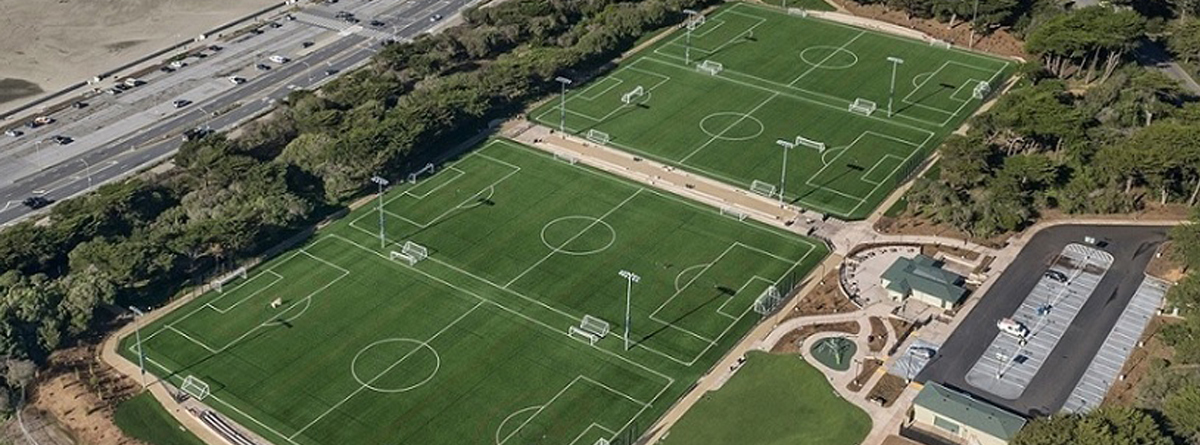
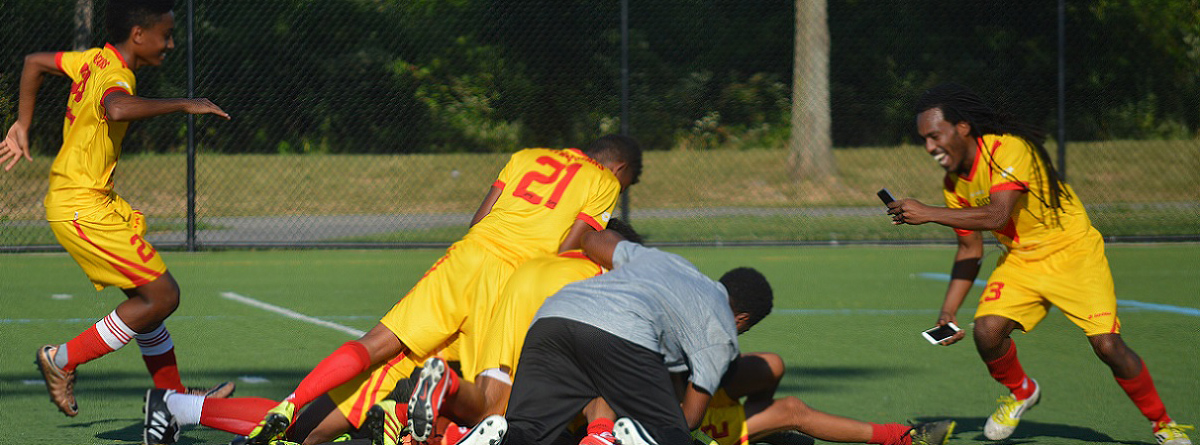
Street soccer is a popular activity in Montenegro, where children and teenagers regularly enjoy informal football matches in neighbourhood courts, school playgrounds, village fields, public parks, and community sports areas. These games provide a fun and relaxed environment for young players to stay active, develop their skills, and enjoy football with friends.
The compact nature of street soccer encourages quick passing, close ball control, creative dribbling, and intelligent movement. Playing in smaller spaces helps participants improve their technique, build confidence, and strengthen teamwork while adapting to different opponents and playing conditions.
Street soccer offers an accessible and affordable way for communities across Montenegro to enjoy football without requiring professional facilities. It promotes healthy lifestyles, strengthens local friendships, and encourages young people to continue their involvement in the sport.
Street Soccer Culture in Montenegro
Football has a strong presence in Montenegro, and street soccer is often where many children first experience the excitement of the game. Informal matches organised by schools, neighbours, and local communities create an inclusive atmosphere where players of different ages and abilities can participate.
Skills Developed Through Street Soccer
Street soccer helps players improve dribbling, first touch, passing accuracy, agility, balance, ball control, and tactical awareness. Regular games also develop communication, creativity, confidence, and the ability to make quick decisions during fast-paced situations.
Street Soccer and Community Development
Street soccer brings communities together through football while encouraging teamwork, active lifestyles, and positive youth participation. It also provides aspiring players with valuable experience before progressing to school teams, local football clubs, academies, or organised youth football programmes.
The MONTENEGRO in the DMV Metro

The Montenegrin diaspora in the DMV (District of Columbia, Maryland, and Virginia) is a small, close-knit, and highly specialized Balkan micro-diaspora. Unlike the larger historic Montenegrin communities in New York, Chicago, and parts of California, the DMV population is largely composed of diplomats, international-development professionals, academics, finance specialists, technology professionals, and security experts, reflecting Washington's strong connections to NATO, European affairs, and international institutions. Rather than forming a concentrated neighborhood, Montenegrins are dispersed throughout the metropolitan region and maintain their identity through diplomatic, Balkan, Orthodox, and digital networks.
Cultural Hubs & Community Networks
-
Embassy Hub: The Embassy of Montenegro in Washington, D.C. serves as the community's principal diplomatic and administrative anchor. It provides consular services, supports diaspora engagement, hosts official receptions, and provides a gathering point around national celebrations such as Montenegro Independence Day on May 21 and Statehood Day on July 13.
-
Diaspora Networks: Montenegrin government and diaspora initiatives help maintain connections between citizens abroad and Montenegro. These networks provide opportunities for professional exchange, cultural preservation, and engagement with development initiatives in the homeland.
-
Balkan & South Slavic Networks: Because the Montenegrin population is small, local residents frequently connect with the wider Serbian, Croatian, Bosnian, and other Balkan communities. These broader networks provide access to cultural events, religious institutions, social gatherings, and regional businesses.
Key Cultural Gatherings
-
Montenegro Independence Day: Celebrated annually on May 21, Independence Day is one of the community's principal national occasions. Embassy receptions and community gatherings provide opportunities to celebrate Montenegrin history, national identity, and cultural heritage.
-
Statehood Day: Observed on July 13, Statehood Day provides another important occasion for Montenegrin diplomatic and community events.
-
Passport DC: During the annual Passport DC embassy-tour program, the Montenegrin Embassy provides a public window into the country's culture and history. Exhibitions can highlight Adriatic landscapes, traditional costumes, folk culture, history, cuisine, and Montenegro's distinctive coastal and mountainous heritage.
-
Balkan Festivals: Montenegrins also participate in larger South Slavic and Balkan cultural festivals throughout the DMV, where traditional music, dance, food, and regional celebrations create opportunities for cross-community interaction.
Spiritual & Cultural Anchors
The community's cultural life also overlaps with the DMV's broader Eastern Orthodox and Balkan religious infrastructure.
-
Orthodox Community: Montenegrin families may participate in Orthodox churches and religious events serving the wider Serbian and Balkan population, particularly for major holidays and family celebrations.
-
South Slavic Gatherings: Festivals and church-community events provide informal spaces for Montenegrins to maintain connections with other communities from the former Yugoslavia.
Culinary & Social Anchors
The DMV does not have a significant standalone Montenegrin restaurant scene, so the community's culinary life overlaps heavily with Balkan, Serbian, Croatian, Bosnian, and broader Eastern European food networks.
-
Balkan Markets: Specialty grocery stores across suburban Maryland and Northern Virginia provide access to regional products such as cured meats, cheeses, ajvar, phyllo dough, breads, pickled vegetables, and other Balkan staples.
-
Shared Balkan Cuisine: Family gatherings commonly preserve foods associated with the wider Adriatic and Balkan culinary tradition, including grilled meats, savory pies, cured meats, cheeses, and homemade breads.
-
Regional Restaurants: Balkan restaurants and bakeries serve as informal gathering points where Montenegrins can meet other South Slavic residents and maintain familiar culinary traditions.
Professional & Digital Networks
Because the community is geographically dispersed, professional networks and online groups are particularly important.
-
International & Security Careers: Washington's concentration of NATO-related institutions, international organizations, diplomatic missions, universities, and policy organizations creates a natural professional environment for Montenegrins.
-
Ex-Yu Networks: Online communities connecting people from the former Yugoslavia provide practical assistance with housing, employment, cultural events, language, and social introductions.
-
Community Mutual Aid: Digital groups also help circulate embassy announcements, family news, event invitations, and information about Balkan cultural activities.
Overall, the Montenegrin community in the DMV is defined by diplomacy, NATO and European affairs, Balkan cultural connections, and strong interpersonal networks rather than geographic concentration. The Embassy of Montenegro provides the institutional center, while Balkan organizations, Orthodox communities, Passport DC, regional festivals, specialty markets, and digital Ex-Yu networks provide the cultural and social infrastructure that keeps this small but connected diaspora active.
Significance
Immigration from Montenegro has generally reflected the legacy of the Ottoman Empire and Yugoslavia, political transition, economic opportunity, educational advancement, professional employment, family reunification, international business, and skilled migration.
Migration from Montenegro has historically been shaped by political change, economic conditions, and regional developments in the Balkans. During the late nineteenth and early twentieth centuries, many Montenegrins emigrated in search of employment, agricultural opportunities, and improved living conditions, particularly to the United States and Western Europe. Migration continued throughout the twentieth century as political upheaval, the dissolution of Yugoslavia, and economic restructuring encouraged overseas movement. Today, immigration from Montenegro is primarily driven by higher education, professional employment, entrepreneurship, scientific research, and family reunification, with Montenegrin immigrants maintaining strong cultural, linguistic, and family ties with their homeland.
Montenegrin Migration Before Independence
Before modern independence, Montenegro existed as an independent principality and kingdom for much of the nineteenth and early twentieth centuries after centuries of conflict with the Ottoman Empire. Following the First World War, it became part of the Kingdom of Serbs, Croats and Slovenes, later the Kingdom of Yugoslavia, and subsequently the Socialist Federal Republic of Yugoslavia. Migration during these periods was influenced by agriculture, trade, military service, education, and economic opportunity. Many Montenegrins travelled to North America as farmers, miners, factory workers, merchants, students, teachers, and skilled laborers. Montenegro restored its independence following a national referendum on June 3, 2006, and the United States recognized the new nation shortly thereafter before establishing diplomatic relations.
Late-Twentieth- and Early-Twenty-First-Century Immigration
Migration increased during the final decades of Yugoslavia and after Montenegro's independence as economic reforms, globalization, and expanding educational opportunities encouraged many Montenegrins to seek careers abroad. Students, physicians, engineers, scientists, academics, entrepreneurs, information technology specialists, business professionals, and researchers increasingly travelled to the United States for university education, specialized employment, research, investment, or family reunification. Academic exchange programs, multinational companies, and international business partnerships have continued to support migration in recent decades. In the United States, Montenegrin immigrants often rely on family networks, churches, cultural associations, alumni organizations, and professional groups for support with housing, employment, education, and community integration while preserving Montenegrin, Serbian, traditional cuisine, music, cultural heritage, religious traditions, and close relationships with relatives in Montenegro.
Latest Fixtures & Results
| 04.03.2027 |  |
Malta | - |  |
Montenegro |
| 04.10.2027 | |
Montenegro | - |  |
Bangladesh |
| 04.17.2027 |  |
Burma | - | |
Montenegro |
| 04.24.2027 |  |
Afghanistan | - | |
Montenegro |
| 05.01.2027 | |
Montenegro | - |  |
Switzerland |
| 05.08.2027 |  |
Costa R. | - | |
Montenegro |
| 05.15.2027 | |
Montenegro | - |  |
Algeria |
| 05.22.2027 |  |
Spain | - | |
Montenegro |
| 05.29.2027 | |
Montenegro | - |  |
Sweden |
