 Sign In







 Facebook
 X-Twitter
 Instagram
 Linkedin
 Youtube
More Information
More Information
Street Soccer in Lithuania
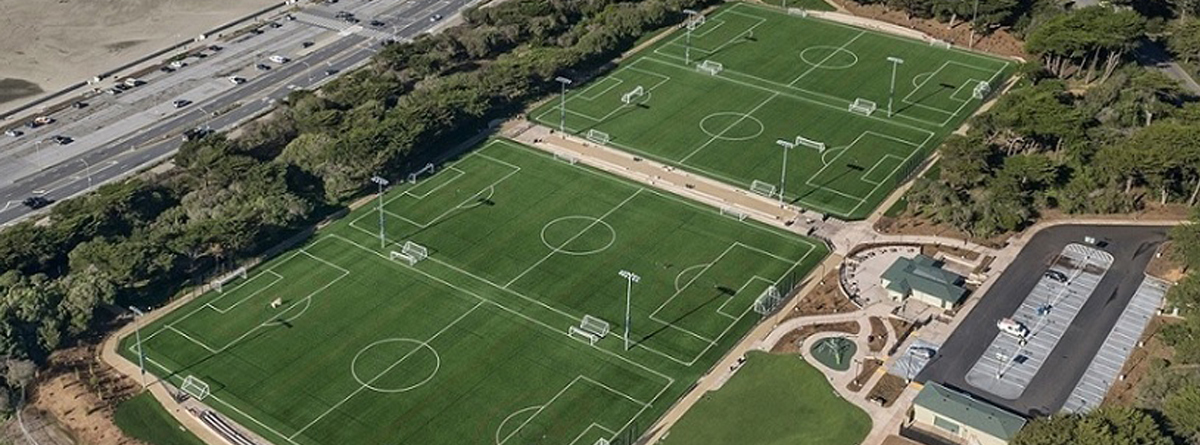
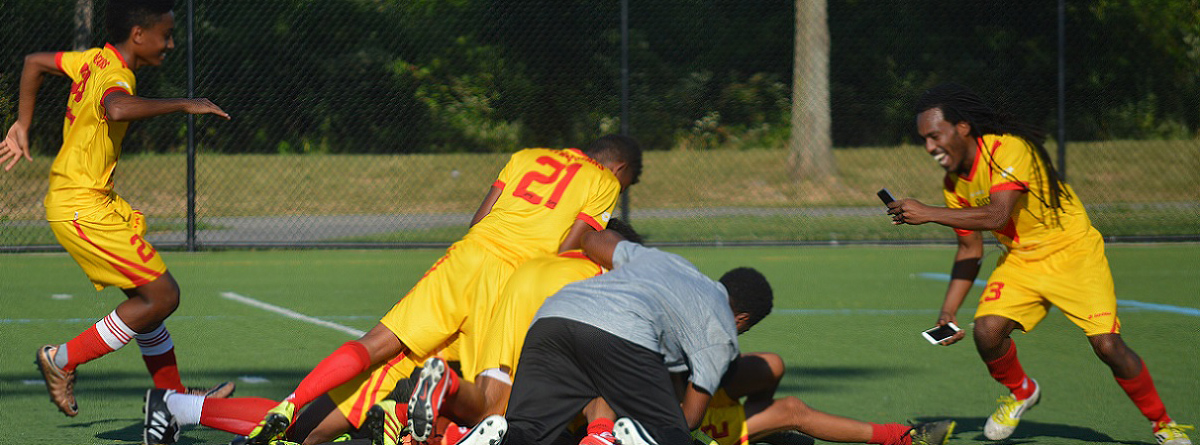
Street soccer is a popular recreational activity in Lithuania, where children and teenagers regularly gather in neighbourhood courtyards, school playgrounds, public parks, and community sports areas to play informal football matches. These games give young players an enjoyable opportunity to stay active while developing their football skills and building lasting friendships.
The fast-paced style of street soccer encourages accurate passing, close ball control, creative dribbling, and intelligent movement. Playing on compact courts helps participants improve their confidence, teamwork, and technical ability while adapting to different opponents and playing conditions through regular matches.
Street soccer provides an accessible and affordable way for communities across Lithuania to enjoy football without requiring professional facilities. It promotes healthy lifestyles, strengthens local connections, and inspires many young people to continue their involvement in the sport.
Street Soccer Culture in Lithuania
Football continues to grow in popularity throughout Lithuania, and street soccer is often where many children first experience the excitement of the game. Informal matches organised by schools, neighbours, and community groups create an inclusive environment where players of different ages and abilities can participate.
Skills Developed Through Street Soccer
Street soccer helps players improve dribbling, first touch, passing accuracy, agility, balance, ball control, and spatial awareness. Regular games also strengthen communication, creativity, confidence, and the ability to make quick decisions under pressure.
Street Soccer and Community Development
Street soccer brings communities together through football while encouraging teamwork, active lifestyles, and positive youth participation. It also provides aspiring players with valuable experience before progressing to school teams, local football clubs, academies, or organised youth football programmes.
The LITHUANIA in the DMV Metro

The Lithuanian diaspora in the DMV (Washington, D.C., Maryland, and Virginia) is a historically rooted, politically engaged, and professionally prominent Baltic community. The regional population combines an established Lithuanian-American presence around Baltimore with a newer professional population in the Washington metropolitan area, particularly among diplomats, defense specialists, international-policy professionals, researchers, and technology workers.
Community Hubs and Institutional Presence
-
The Embassy of the Republic of Lithuania: Located on 16th Street NW in Washington, D.C., the Embassy serves as the primary diplomatic and civic anchor for Lithuanians in the DMV. It provides consular services, supports overseas voting, participates in European diplomatic initiatives, and maintains close relationships with Lithuanian-American organizations.
-
Washington D.C. Lithuanian American Community (DCLAC): DCLAC serves as an important civic organization for Lithuanian families in the region. It supports community networking, cultural preservation, professional connections, diaspora recognition, and engagement between local Lithuanians and institutions in Lithuania.
-
Washington Kristijonas Donelaitis Lithuanian School: The heritage school provides Lithuanian-language education and cultural programming for children. Families from across Maryland and Virginia participate in language instruction, Lithuanian history, geography, folklore, and traditional dance.
-
Baltimore Lithuanian Community: Baltimore provides an important historical foundation for the broader DMV Lithuanian presence. Its established churches, community institutions, and Lithuanian-American heritage provide connections between the region's older immigrant population and the newer Washington-area professional community.
Cultural and Social Dynamics
-
Baltic & European Connections: Lithuanians participate in broader Baltic networks with Latvian and Estonian communities, particularly around cultural diplomacy, European affairs, security policy, and regional heritage.
-
Political & Security Engagement: Given Lithuania's strategic position in Northern and Eastern Europe, the DMV community has strong professional connections to transatlantic security, NATO, defense policy, and U.S.–Baltic relations.
-
Language & Heritage Preservation: Lithuanian-language education, folk dancing, traditional music, history, and family events remain important mechanisms for maintaining cultural identity among younger generations.
-
European Cultural Diplomacy: The Lithuanian Embassy participates in events such as EU Open House, providing a public platform to showcase Lithuanian history, culture, cuisine, tourism, and its role within the European Union.
-
Community Structure: The Lithuanian DMV community is best understood as a Baltic professional diaspora layered over a historic Mid-Atlantic community, with the Embassy and DCLAC providing civic infrastructure while heritage schools, churches, and Baltimore-area institutions sustain multigenerational cultural identity.
The Lithuanian diaspora in the DMV (Washington, D.C., Maryland, and Virginia) is a historically rooted, politically engaged, and professionally prominent Baltic community. The regional population combines an established Lithuanian-American presence around Baltimore with a newer professional population in the Washington metropolitan area, particularly among diplomats, defense specialists, international-policy professionals, researchers, and technology workers.
Community Hubs and Institutional Presence
-
The Embassy of the Republic of Lithuania: Located on 16th Street NW in Washington, D.C., the Embassy serves as the primary diplomatic and civic anchor for Lithuanians in the DMV. It provides consular services, supports overseas voting, participates in European diplomatic initiatives, and maintains close relationships with Lithuanian-American organizations.
-
Washington D.C. Lithuanian American Community (DCLAC): DCLAC serves as an important civic organization for Lithuanian families in the region. It supports community networking, cultural preservation, professional connections, diaspora recognition, and engagement between local Lithuanians and institutions in Lithuania.
-
Washington Kristijonas Donelaitis Lithuanian School: The heritage school provides Lithuanian-language education and cultural programming for children. Families from across Maryland and Virginia participate in language instruction, Lithuanian history, geography, folklore, and traditional dance.
-
Baltimore Lithuanian Community: Baltimore provides an important historical foundation for the broader DMV Lithuanian presence. Its established churches, community institutions, and Lithuanian-American heritage provide connections between the region's older immigrant population and the newer Washington-area professional community.
Cultural and Social Dynamics
-
Baltic & European Connections: Lithuanians participate in broader Baltic networks with Latvian and Estonian communities, particularly around cultural diplomacy, European affairs, security policy, and regional heritage.
-
Political & Security Engagement: Given Lithuania's strategic position in Northern and Eastern Europe, the DMV community has strong professional connections to transatlantic security, NATO, defense policy, and U.S.–Baltic relations.
-
Language & Heritage Preservation: Lithuanian-language education, folk dancing, traditional music, history, and family events remain important mechanisms for maintaining cultural identity among younger generations.
-
European Cultural Diplomacy: The Lithuanian Embassy participates in events such as EU Open House, providing a public platform to showcase Lithuanian history, culture, cuisine, tourism, and its role within the European Union.
-
Community Structure: The Lithuanian DMV community is best understood as a Baltic professional diaspora layered over a historic Mid-Atlantic community, with the Embassy and DCLAC providing civic infrastructure while heritage schools, churches, and Baltimore-area institutions sustain multigenerational cultural identity.
-
Significance
Immigration from Lithuania has generally reflected the legacy of the Russian Empire and the Soviet Union, political change, war, economic opportunity, educational advancement, professional employment, family reunification, and international business.
Migration from Lithuania has played an important role in the history of the United States since the late nineteenth century. Large numbers of Lithuanians emigrated during periods of political oppression, economic hardship, and social change under the Russian Empire, seeking greater opportunity and religious freedom abroad. Additional waves of migration followed the First and Second World Wars and the Soviet occupation, when many Lithuanians fled persecution or sought refuge in Western countries. Following the restoration of Lithuanian independence in 1990, migration increasingly reflected higher education, professional employment, entrepreneurship, and international business. Today, Lithuanian immigrants in the United States maintain strong cultural, linguistic, and family ties with their homeland.
Lithuanian Migration Before Independence
Before independence, Lithuania formed part of the Russian Empire after the partitions of the Polish-Lithuanian Commonwealth. Migration during the late nineteenth and early twentieth centuries was influenced by economic hardship, industrialization, political repression, military conscription, and religious discrimination. Many Lithuanians emigrated to the United States as farmers, miners, factory workers, craftsmen, merchants, teachers, and skilled laborers, establishing communities throughout the Midwest and Northeast. Lithuania first declared independence on February 16, 1918, but the country was occupied and incorporated into the Soviet Union during the Second World War. International migration remained limited during the Soviet period because foreign travel was tightly controlled. Lithuania restored its independence on March 11, 1990, becoming the first Soviet republic to declare the restoration of its independence, and the United States strengthened diplomatic relations with the restored state.
Late-Twentieth- and Early-Twenty-First-Century Immigration
Migration increased after the restoration of independence as economic reforms, globalization, and expanding educational opportunities encouraged many Lithuanians to pursue careers abroad. Students, physicians, engineers, scientists, academics, entrepreneurs, information technology specialists, researchers, and business professionals increasingly travelled to the United States for university education, specialized employment, research, investment, or family reunification. Academic exchange programs, multinational companies, and scientific collaboration have continued to support migration in recent decades. In the United States, Lithuanian immigrants often rely on family networks, churches, Lithuanian cultural organizations, alumni associations, and professional groups for support with housing, employment, education, and community integration while preserving the Lithuanian language, traditional cuisine, music, cultural heritage, religious traditions, and close relationships with relatives in Lithuania
Latest Fixtures & Results
| 04.04.2027 |  |
Lithuania | - |  |
Philippines |
| 04.11.2027 |  |
Bhutan | - | |
Lithuania |
| 04.18.2027 | |
Lithuania | - |  |
Thailand |
| 04.25.2027 |  |
Sri Lanka | - | |
Lithuania |
| 05.02.2027 | |
Lithuania | - |  |
Iraq |
| 05.09.2027 |  |
A. Samoa | - | |
Lithuania |
| 05.16.2027 | |
Lithuania | - |  |
Syria |
| 05.23.2027 | |
Lithuania | - |  |
China |
| 05.30.2027 |  |
Cambodia | - | |
Lithuania |
