 Sign In







 Facebook
 X-Twitter
 Instagram
 Linkedin
 Youtube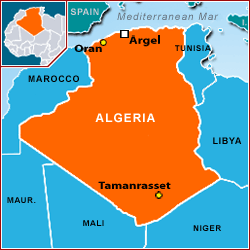
More Information
More Information
Street Soccer in Algeria
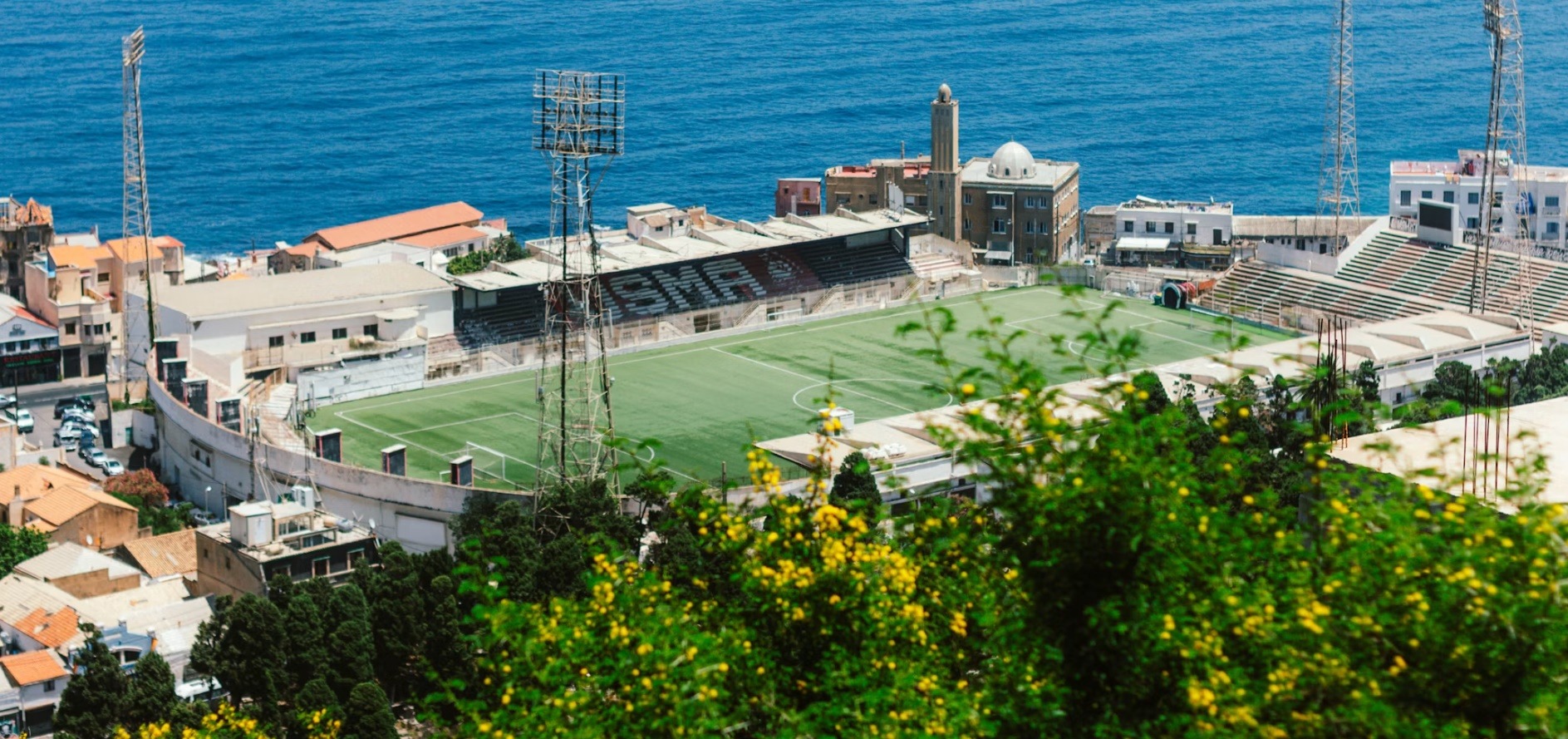
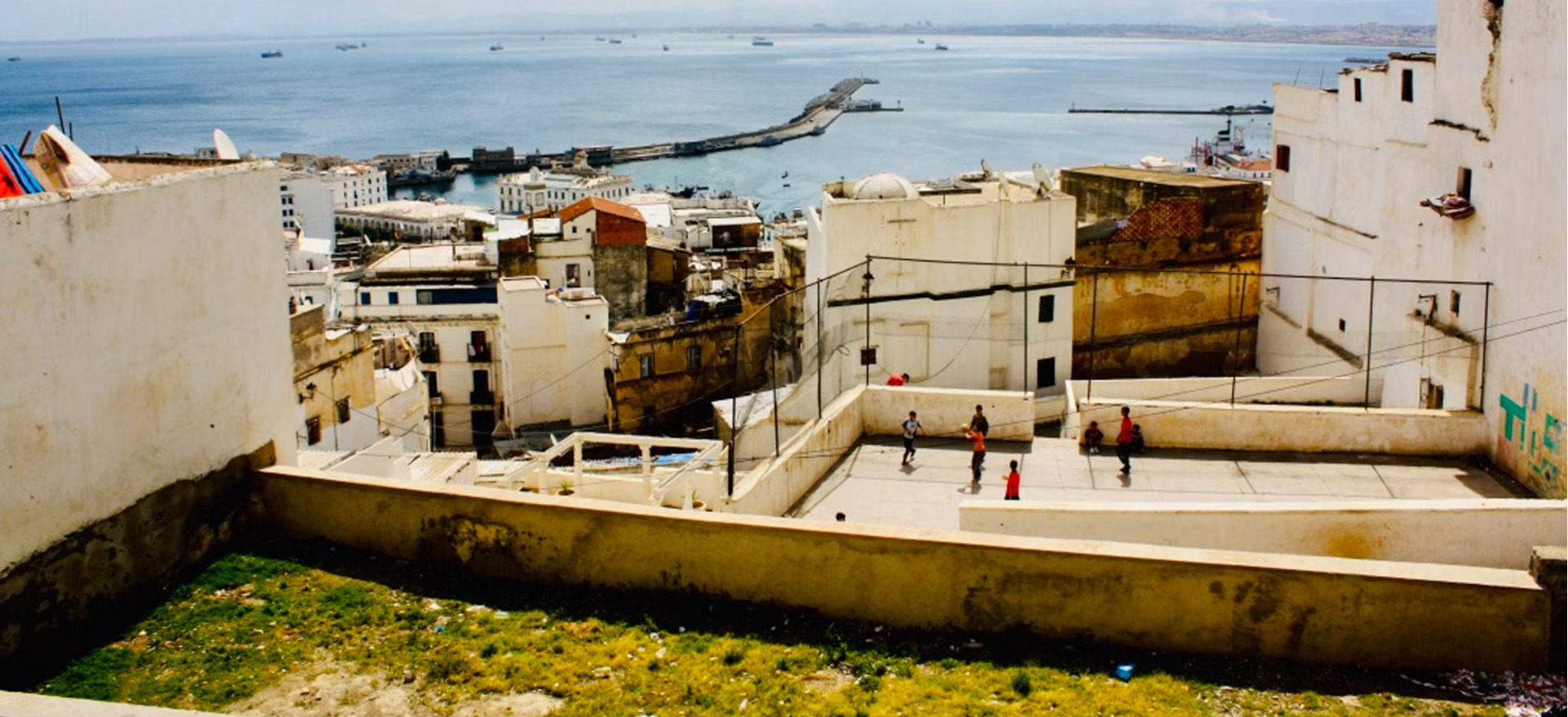
Football is deeply rooted in Algerian culture, and street soccer is one of the most common ways young players experience the game. From the busy streets of Algiers to neighbourhoods in Oran and Constantine, informal matches are a regular sight where players use small goals, walls, or open spaces to create exciting games.
Street soccer gives players the freedom to experiment with skills, improve ball control, and develop confidence in tight spaces. These fast-paced matches encourage creativity and quick reactions while making football enjoyable without the need for formal facilities.
Street soccer remains an affordable and inclusive activity that brings friends and neighbours together, helping young people stay active while sharing their passion for football.
Street Soccer Culture in Algeria
Algeria has a rich football tradition, and many local players begin their journey through street matches before joining youth clubs. Friendly games are part of everyday life in many communities, creating a competitive but welcoming environment for aspiring footballers.
Skills Developed Through Street Soccer
The fast tempo of street soccer helps players sharpen dribbling, first touch, close control, agility, vision, and accurate passing. Playing in confined spaces also develops creativity and the confidence to perform under pressure.
Street Soccer and Community Development
Street soccer strengthens community bonds by bringing people together through football. It also serves as an early platform for talented players who later progress to local clubs, football academies, and organised competitions.
The Algeria in the DMV Metro

- Algerian American Association of Greater Washington (AAAGW): This non-profit serves as the central social, cultural, and educational home for Algerian Americans and their families in the DMV. They organize community Iftars during Ramadan, Eid celebrations, annual Algerian American Heritage Day galas, and watch parties for national soccer games.
- Embassy of Algeria: Located in the Kalorama neighborhood of Washington, D.C., the embassy actively coordinates with the diaspora. It hosts cultural exhibits, runs youth programs (like summer camp notifications), and processes civic engagement activities like voting for the Algerian People's National Assembly.
- US Algeria Business Council: Based in Washington, D.C., this organization fosters professional networking and bilateral trade, serving as a hub for corporate professionals, engineers, and academics within the diaspora.
- Passport DC & Arab-American Heritage Month: The community strongly participates in the annual "Around the World Embassy Tour" (Passport DC), typically showcasing traditional clothing like the karakou, artisan jewelry, and traditional mint tea at venues like the Islamic Center of Washington.
- Mlih Cafe: Launched as the DMV’s first Algerian fusion pop-up cart, this community-owned enterprise blends authentic North African flavours with western beverage trends (such as specialized matcha drinks), popping up at regional collegiate, cultural, and sporting events.
- Intercultural Gathering Spaces: Because purely Algerian brick-and-mortar restaurants are sparse, the community frequently gathers at broader Maghrebi and Mediterranean establishments across D.C., Arlington, and Fairfax. Local mosques such as Center DC also function as inclusive spaces for spiritual and communal gatherings.
Significance
Algerian immigration to the United States has generally reflected colonial rule, the struggle for independence, educational opportunities, political instability, economic hardship, and the search for professional employment.
Algerian migration to the United States began on a limited scale during the late nineteenth century but remained much smaller than migration to France and other European countries. Movement increased after Algeria gained independence from France in 1962, when students, academics, engineers, doctors, and other professionals travelled to the United States for education and employment. Additional migration occurred during the political violence and economic difficulties of the 1990s. Algerian communities gradually developed in New York, Chicago, Washington, D.C., Boston, Los Angeles, and other metropolitan areas. Family sponsorship, employment visas, university programmes, and the Diversity Visa programme later became important immigration pathways.
Algerian Migration Before Independence
Algerian migration to the United States remained relatively limited while Algeria was governed as a French colony. Most Algerians who left their homeland travelled to France because of colonial connections, labour demand, geographic proximity, and established transportation routes. A small number reached the United States as merchants, sailors, students, labourers, or travellers during the late nineteenth and early twentieth centuries. The Algerian Embassy identifies 1892 as the year of the first recorded Algerian immigrant’s arrival in the United States. Political repression, poverty, military service, and the Algerian War of Independence encouraged migration during the 1950s, although France and neighbouring North African countries remained the principal destinations. Algeria achieved independence in July 1962.
Twentieth-Century Immigration
Algerian immigration increased after independence as the new government sent students and professionals abroad to acquire technical knowledge needed for national development. Many Algerians who entered the United States during the 1970s came for university education, specialised training, research, engineering, medicine, and professional employment. Some returned to Algeria, while others remained and established permanent families and community networks. Migration increased again during the 1990s, when political conflict, unemployment, violence, and economic uncertainty encouraged many Algerians to seek security and opportunity abroad. Expanding American visa opportunities also redirected some migration away from Europe. Algerian immigrants formed cultural associations, businesses, religious institutions, and social networks while preserving Arabic, Tamazight, French, food, music, and family traditions.
Latest Fixtures & Results
| 04.03.2027 |  |
Costa R. | - |  |
Algeria |
| 04.10.2027 | |
Algeria | - |  |
Burma |
| 04.17.2027 | |
Algeria | - |  |
Spain |
| 04.24.2027 | |
Algeria | - |  |
Sweden |
| 05.01.2027 |  |
Malta | - | |
Algeria |
| 05.08.2027 | |
Algeria | - |  |
Bangladesh |
| 05.15.2027 |  |
Montenegro | - | |
Algeria |
| 05.22.2027 | |
Algeria | - |  |
Afghanistan |
| 05.29.2027 |  |
Switzerland | - | |
Algeria |
