 Sign In










 Facebook
 X-Twitter
 Instagram
 Linkedin
 Youtube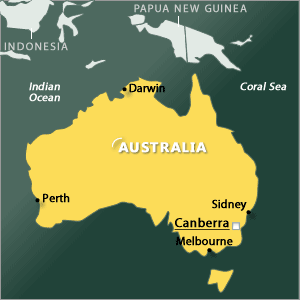
More Information
More Information
Street Soccer in Australia
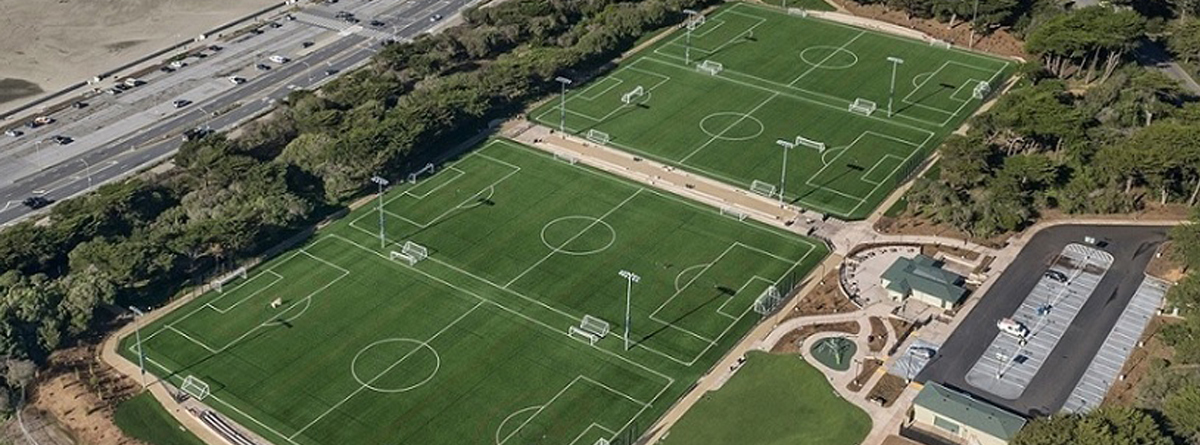
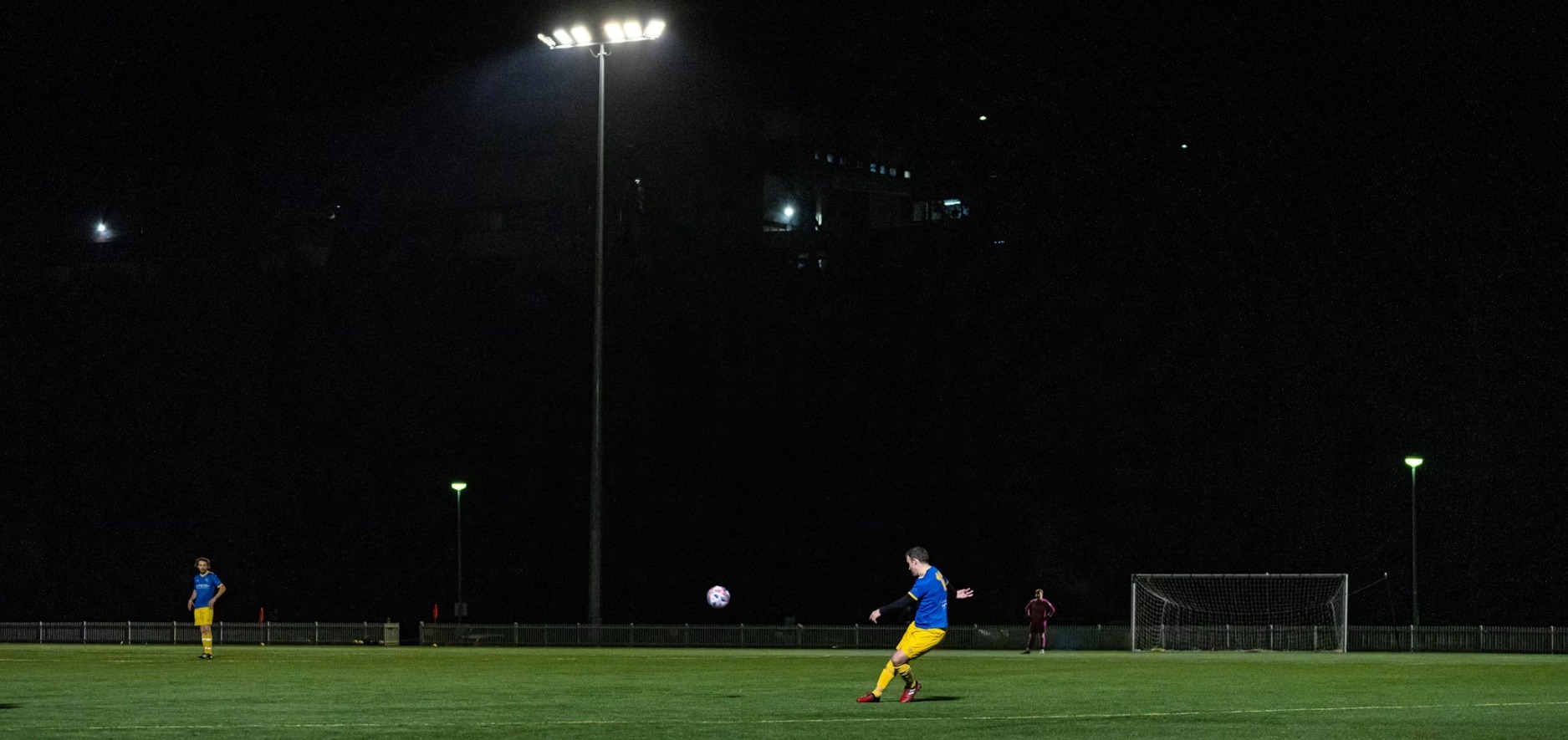
Street soccer is a popular way for children and teenagers in Australia to enjoy football, with informal games taking place in neighbourhood parks, school playgrounds, community courts, and open recreational spaces. Many young players gather after school or on weekends to play friendly matches that combine fun, competition, and skill development.
These small-sided games help players improve their first touch, passing, movement, and awareness while adapting to different playing surfaces and conditions. The fast pace of street soccer also encourages teamwork, creativity, and quick decision-making in every match.
Street soccer provides an accessible way for communities to enjoy football without the need for full-sized pitches or professional facilities. It promotes active lifestyles, strengthens friendships, and encourages young players to develop a lasting interest in the sport.
Street Soccer Culture in Australia
Football continues to grow across Australia, and street soccer plays an important role in introducing young people to the game. Informal matches are commonly organised by friends, schools, and local communities, creating an inclusive environment where players of all backgrounds can participate.
Skills Developed Through Street Soccer
Playing street soccer helps participants improve dribbling, close ball control, agility, balance, passing accuracy, and spatial awareness. The quick flow of the game also builds confidence, communication, and the ability to make smart decisions under pressure.
Street Soccer and Community Development
Street soccer brings people together through a shared enjoyment of football and encourages healthy, active lifestyles. It also gives aspiring players valuable experience before progressing to school teams, local football clubs, or organised youth football programmes.
Chelsea Official

- Main Hubs: Concentrated heavily in Washington D.C., Northern Virginia (defense and tech contractors), and parts of Maryland (like the Software Developer hubs).
- Primary Transit: Expats rely heavily on Reagan National (DCA) and Dulles International (IAD) for domestic and international travel. [1, 2, 3]
- Australia America Association – Washington DC: Founded in 1989 to foster cultural and business relationships, this group hosts major events like the annual Wine Tasting and Gala Dinners.
- Australian Women in DC (AWDC) Forum: A nonprofit professional and social circle operating under the American Australian Association umbrella that spotlights women in leadership.
- Social Hubs: Online communities like the Australians in Washington DC Facebook Group act as essential boards for finding "down under tucker" (Aussie food), housing advice, and match screenings.
- The Australian Embassy: Located in the heart of Washington D.C., the Embassy serves as the central cultural anchor. It hosts official functions, monitors diaspora concerns, and leads community gatherings such as the annual ANZAC Day services.
- Arts & Culture: The community frequently converges at major DMV venues like the Kennedy Center and the National Gallery of Art, which features temporary deep-dives into Australian heritage (such as The Stars We Do Not See: Australian Indigenous Art exhibition running through early 2026).
Significance
Immigration to Australia has generally reflected British colonisation, convict transportation, assisted settlement, gold discoveries, labour demand, war, refugee movements, economic development, education, family reunification, and multicultural migration policies.
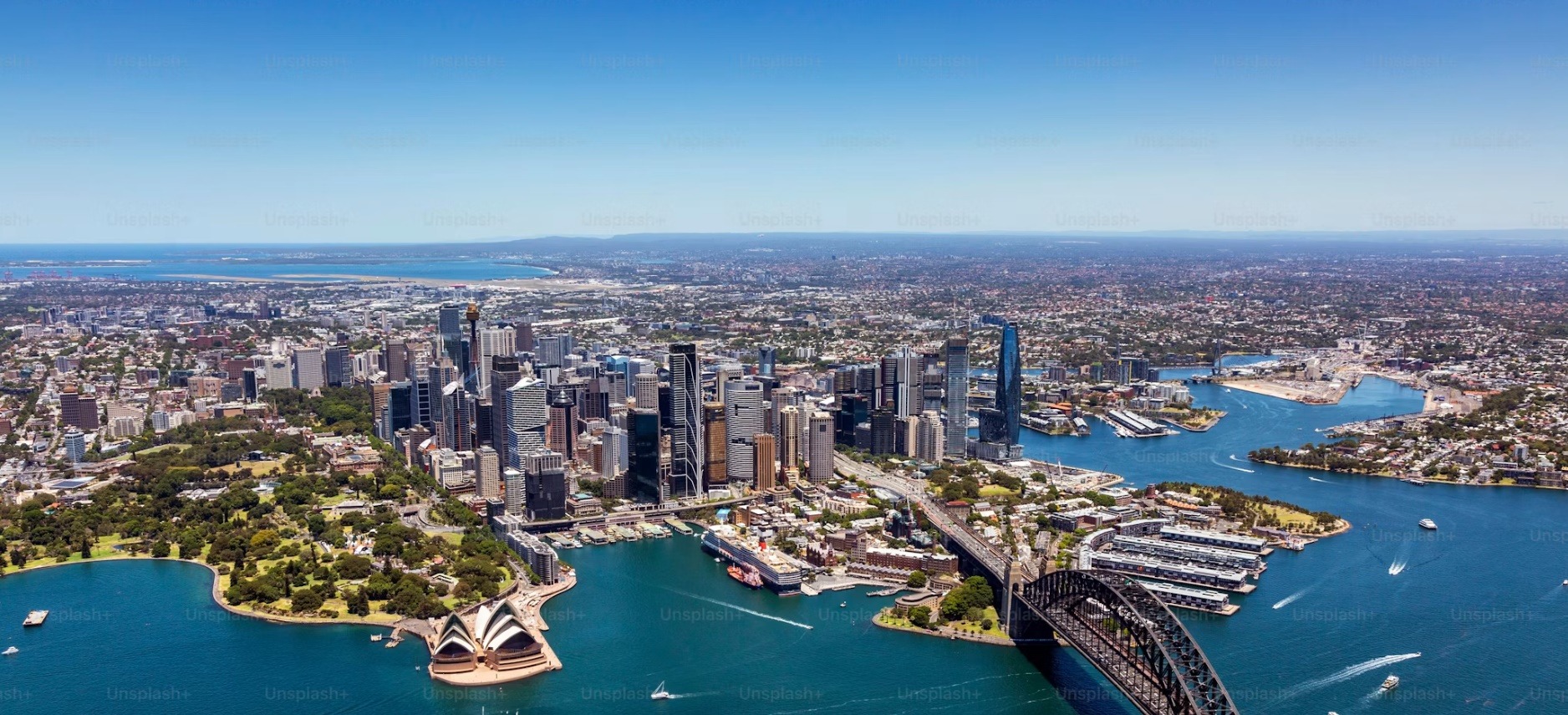
Aboriginal and Torres Strait Islander peoples lived across Australia for thousands of years before European colonisation. Large-scale overseas migration began with the arrival of the First Fleet in 1788, bringing British officials, soldiers, and convicts to establish the colony of New South Wales. Free and assisted migration later increased, particularly after gold was discovered in 1851, attracting people from Britain, Ireland, China, Germany, and other regions. Immigration slowed during World War I and the Great Depression but expanded greatly after World War II. British migrants, European refugees, and displaced persons were followed by immigrants from Asia, the Middle East, Africa, and other parts of the world, transforming Australia into a highly multicultural society.
Australian Immigration Before Federation
European immigration began in 1788 with British colonisation and the transportation of convicts to Australia. Over the following eighty years, approximately 160,000 convicts were transported, mainly to New South Wales, Van Diemen’s Land—now Tasmania—and Western Australia. Free settlers also arrived, while government-assisted schemes helped British and Irish workers and families pay for their journeys. Between 1832 and 1850, about 127,000 assisted migrants entered Australia. Immigration expanded during the 1850s gold rushes, when hundreds of thousands of people arrived in search of wealth and employment. Migrants from China, Germany, the United States, and other countries joined large numbers from Britain and Ireland. However, racial prejudice produced restrictions against Chinese and Pacific Islander migrants. By Federation in 1901, immigration had greatly increased the European population while colonisation had displaced Aboriginal and Torres Strait Islander communities from their lands.
Twentieth-Century Immigration
After Federation, the Immigration Restriction Act 1901 established the foundation of the discriminatory White Australia policy, which limited non-European immigration through measures such as the dictation test. Migration declined during World War I, the Great Depression, and World War II. After 1945, the Australian Government introduced a large immigration programme to increase the population, strengthen national defence, supply workers, and support economic development. British migrants initially received preference, but Australia also accepted refugees and displaced people from Eastern and Southern Europe; about 170,000 immigrants arrived through the displaced-persons programme between 1947 and 1951. The White Australia policy was gradually dismantled from the late 1950s and formally replaced by non-discriminatory and multicultural policies during the 1970s. Later immigrants arrived from Asia, the Middle East, Africa, Europe, and the Pacific through skilled migration, humanitarian programmes, education, employment, and family reunification.





Latest Fixtures & Results
| 04.03.2027 |  |
Estonia | - |  |
Australia |
| 04.10.2027 | |
Australia | - |  |
Romania |
| 04.17.2027 |  |
Greece | - | |
Australia |
| 04.24.2027 | |
Australia | - |  |
Botswana |
| 05.01.2027 |  |
Somalia | - | |
Australia |
| 05.08.2027 | |
Australia | - |  |
Argentina |
| 05.15.2027 |  |
Honduras | - | |
Australia |
| 05.22.2027 | |
Australia | - |  |
Belarus |
| 05.29.2027 |  |
Peru | - | |
Australia |
