Sign In







 Facebook
 X-Twitter
 Instagram
 Linkedin
 Youtube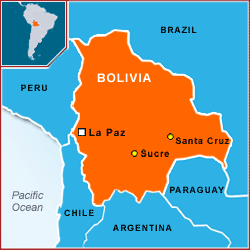
More Information
More Information
Street Soccer in Bolivia
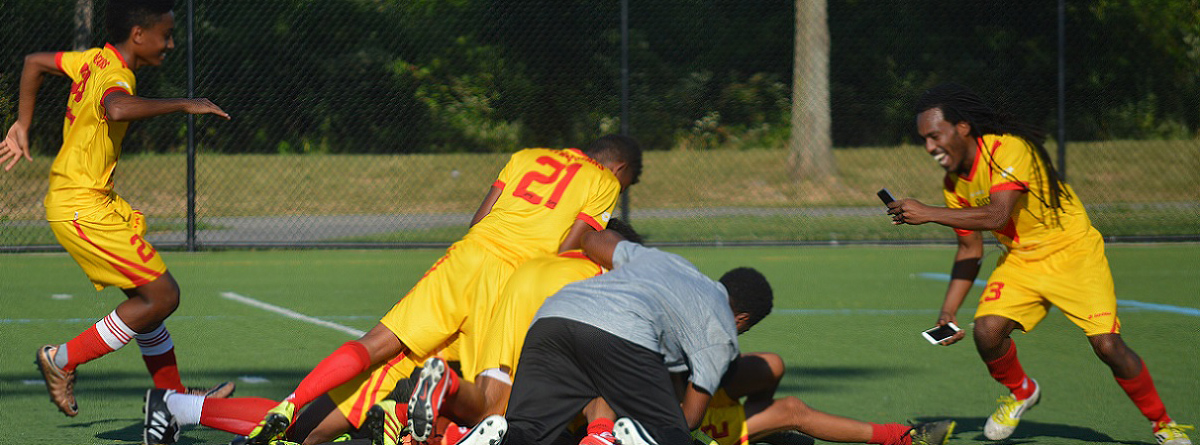
Street soccer is widely played in Bolivia, where children and teenagers enjoy informal football matches in neighbourhood streets, school playgrounds, public parks, and community spaces. These games are a regular part of everyday life, giving young players the chance to stay active while sharing their enthusiasm for football with friends.
Playing in smaller spaces helps participants develop close ball control, accurate passing, quick footwork, and smart decision-making. The informal nature of street soccer encourages creativity, teamwork, and confidence, allowing players to improve their technical abilities through constant involvement in the game.
Street soccer provides an affordable and accessible way for communities across Bolivia to enjoy football without requiring professional facilities. It promotes physical activity, strengthens friendships, and encourages young people to continue developing their passion for the sport.
Street Soccer Culture in Bolivia
Football is deeply enjoyed throughout Bolivia, and street soccer is an important part of introducing young players to the game. Informal matches are commonly organised by friends, neighbours, schools, and local communities, creating a welcoming environment where everyone can participate.
Skills Developed Through Street Soccer
Street soccer helps players improve dribbling, passing accuracy, first touch, agility, balance, close ball control, and awareness. Regular play also strengthens communication, creativity, and the ability to make quick decisions under pressure.
Street Soccer and Community Development
Street soccer brings local communities together through a shared love of football while encouraging healthy and active lifestyles. It also provides talented players with a strong foundation before progressing to school teams, local football clubs, or organised youth football programmes.
The Bolivia in the DMV Metro

AI Mode conversation: BOLIVIA diaspora in the dmv
You said: BOLIVIA diaspora in the dmv


- Fairfax County, VA: Acts as the primary anchor with roughly 15,000 Bolivian residents.
- Arlington County, VA: Historically the original point of entry and cultural heart of the diaspora.
- Montgomery County, MD: Home to a rapidly growing suburban community of over 4,400 residents.
- Cultural Institutions & Events
- American Bolivian Collective:A prominent cultural platform that connects local creatives and highlights contemporary art from Bolivia's distinct regions.
- Casa Kantuta: A highly popular cultural pop-up known for serving authentic Singani cocktails and organizing city-wide heritage events.
- Bolivian Cultural Weekend: An annual August festival featuring live traditional dance performances, the Bolivian Mercadito vendor market, and extensive art exhibitions.
- Academic Initiatives: Entities like the American University Bolivia Research Initiative actively study how this socioeconomically and ethnically diverse diaspora reproduces its sense of community.
Significance
Bolivian immigration to the United States has generally reflected political instability, military rule, economic hardship, educational opportunities, professional employment, family reunification, and the search for greater security.
Bolivian migration to the United States remained relatively limited during the nineteenth and early twentieth centuries but increased after American immigration laws changed during the 1960s. Early arrivals included diplomats, students, merchants, academics, doctors, engineers, and other professionals. Migration expanded during the 1970s and 1980s as military governments, political conflict, inflation, unemployment, and economic uncertainty encouraged many Bolivians to seek opportunities abroad. Family sponsorship, university education, professional employment, and business later became important immigration pathways. Bolivian communities gradually developed in the Washington, D.C., metropolitan area, Northern Virginia, Maryland, New York, Florida, California, and other parts of the United States.
Bolivian Migration Before the Major Immigration Waves
Bolivian migration to the United States was uncommon before the middle of the twentieth century because most international movement occurred within South America or toward neighbouring countries such as Argentina, Chile, Brazil, and Peru. Small numbers of Bolivians travelled to the United States as diplomats, merchants, students, religious workers, artists, and professionals seeking education or specialised training. Political changes following Bolivia’s independence from Spain in 1825, regional conflicts, limited transportation, and a largely rural economy restricted large-scale overseas migration. Early immigrants were widely dispersed and did not immediately establish large ethnic neighbourhoods. However, students, officials, and professional families gradually created personal and institutional connections that later helped support Bolivian migration and settlement.
Late-Twentieth-Century Immigration
Bolivian immigration increased during the late twentieth century as repeated military coups, political repression, economic instability, unemployment, and severe inflation disrupted life in the country. The Immigration and Nationality Act of 1965 created broader opportunities for family-sponsored and employment-based migration to the United States. New arrivals included doctors, engineers, teachers, business owners, skilled workers, students, and families joining relatives already living abroad. Many settled around Washington, D.C., particularly in Northern Virginia and Maryland, while other communities developed in New York, Miami, Los Angeles, and additional metropolitan areas. Bolivian immigrants established restaurants, businesses, churches, cultural associations, and festivals while preserving Spanish, Indigenous languages, traditional clothing, music, dance, food, and close family connections with Bolivia.