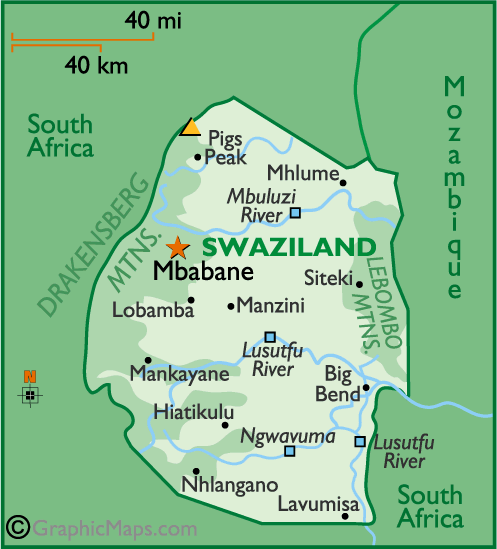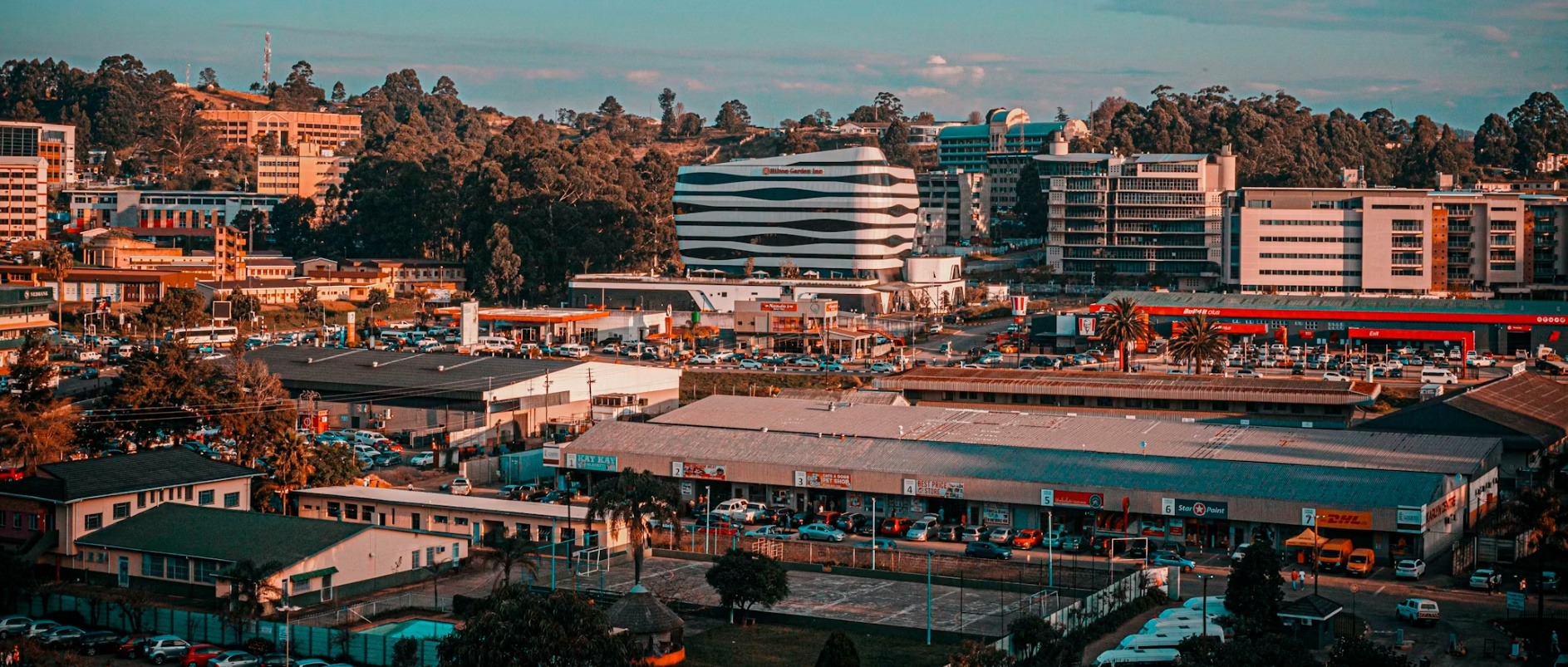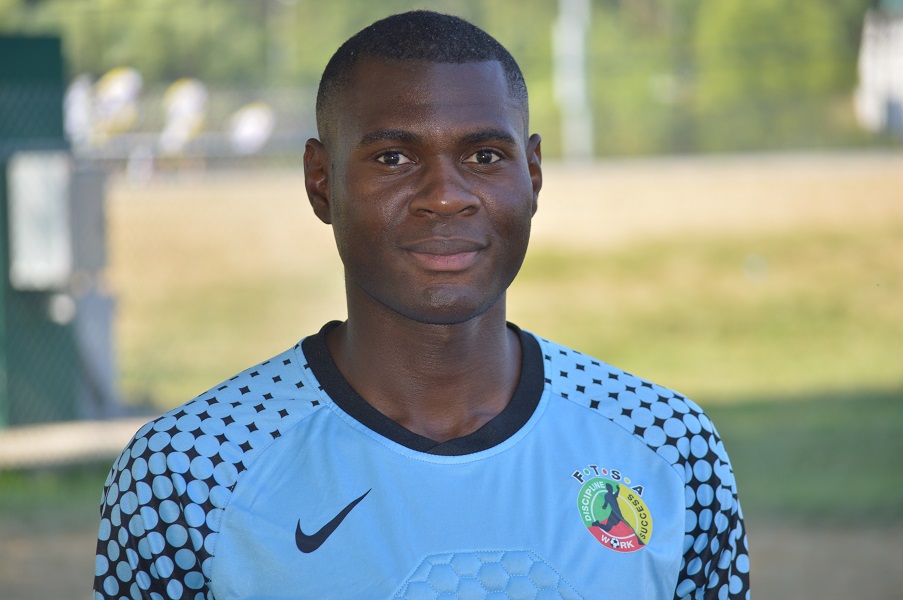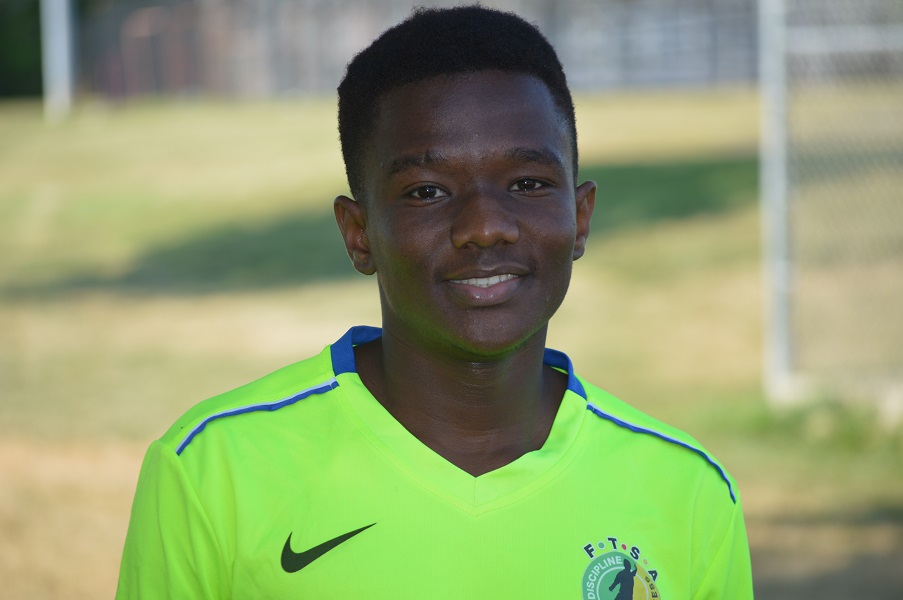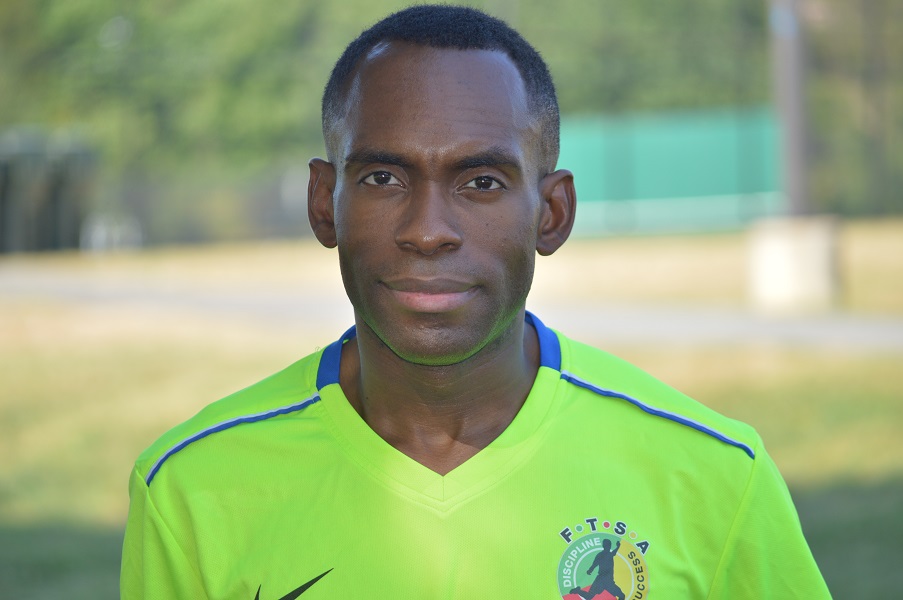


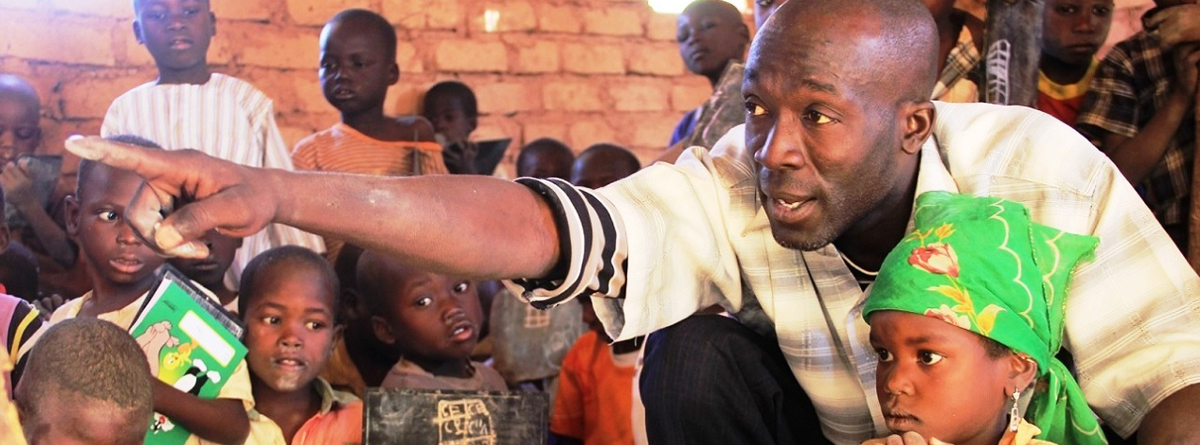
The Swaziland (officially Eswatini) diaspora in the DMV (District of Columbia, Maryland, and Virginia) region is an exceptionally small, close-knit, and transient community. Because the home country has a small total population (around 1.2 million), its global diaspora is highly concentrated in closer regional hubs like South Africa. In the U.S. capital region, the Swati community does not form a large residential neighborhood; instead, it operates as a specialized network of diplomats, international development consultants, public health experts, and university students.
🏛️ The Diplomatic and Institutional Anchor
Because the community is concentrated around Washington, D.C., its civic and formal administrative life centers almost entirely on formal diplomatic channels: [
1]
- The Embassy of the Kingdom of Eswatini: Located on 16th Street NW, the Embassy of Eswatini acts as the absolute institutional and administrative core for the diaspora. The embassy handles passport renewals and consular affairs for Swati nationals residing across the United States. [1]
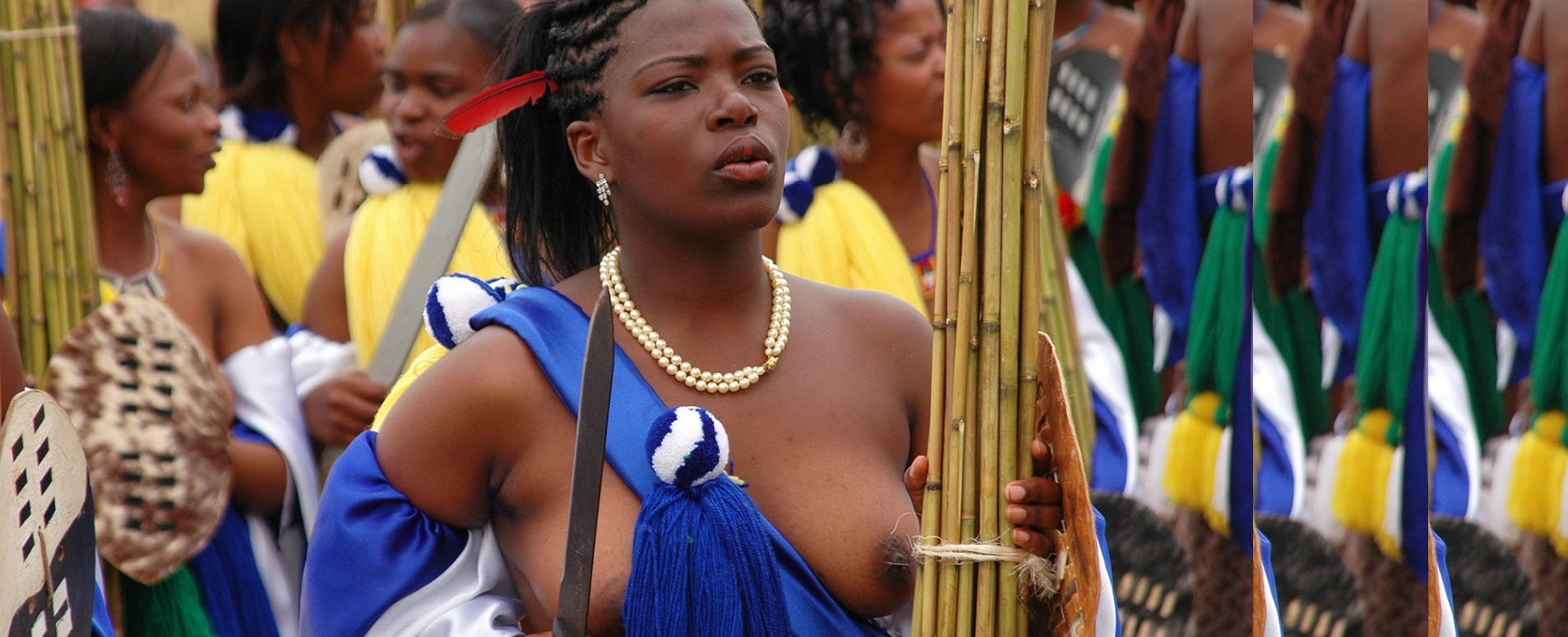
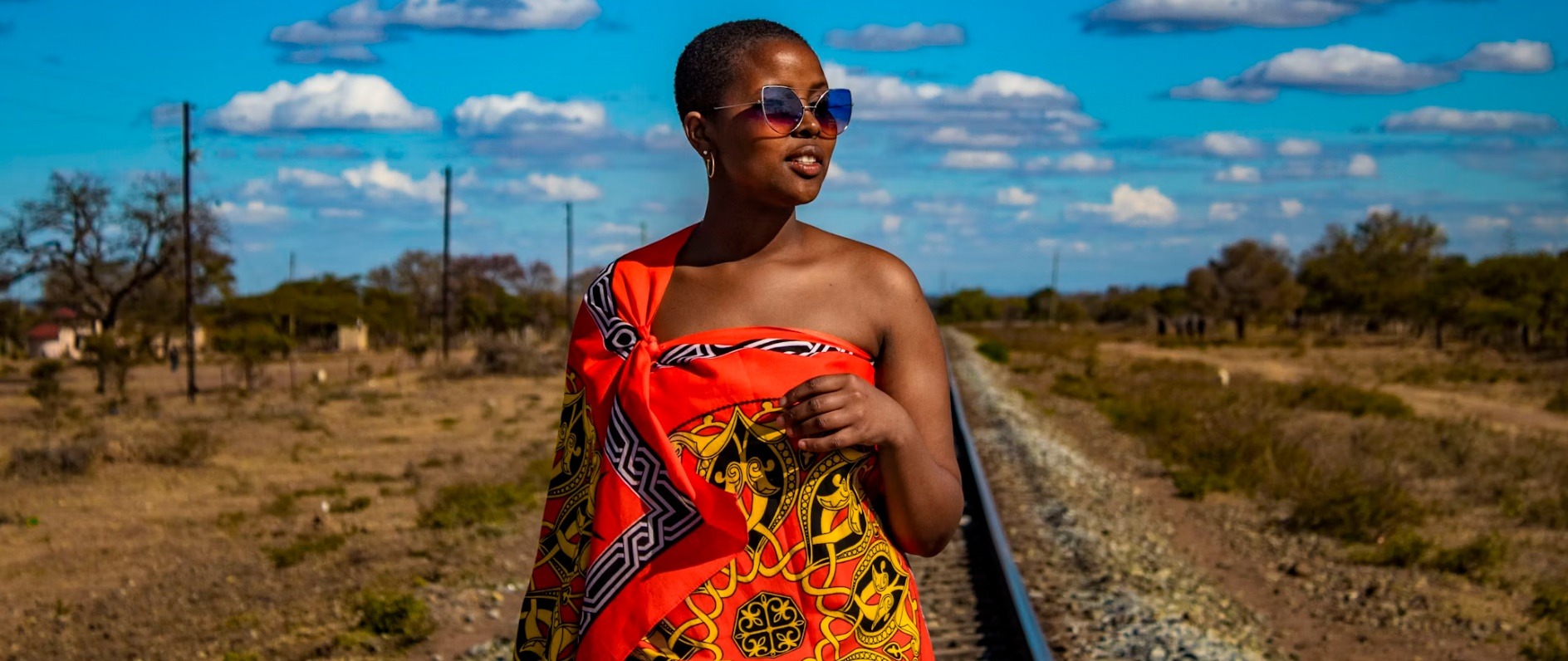
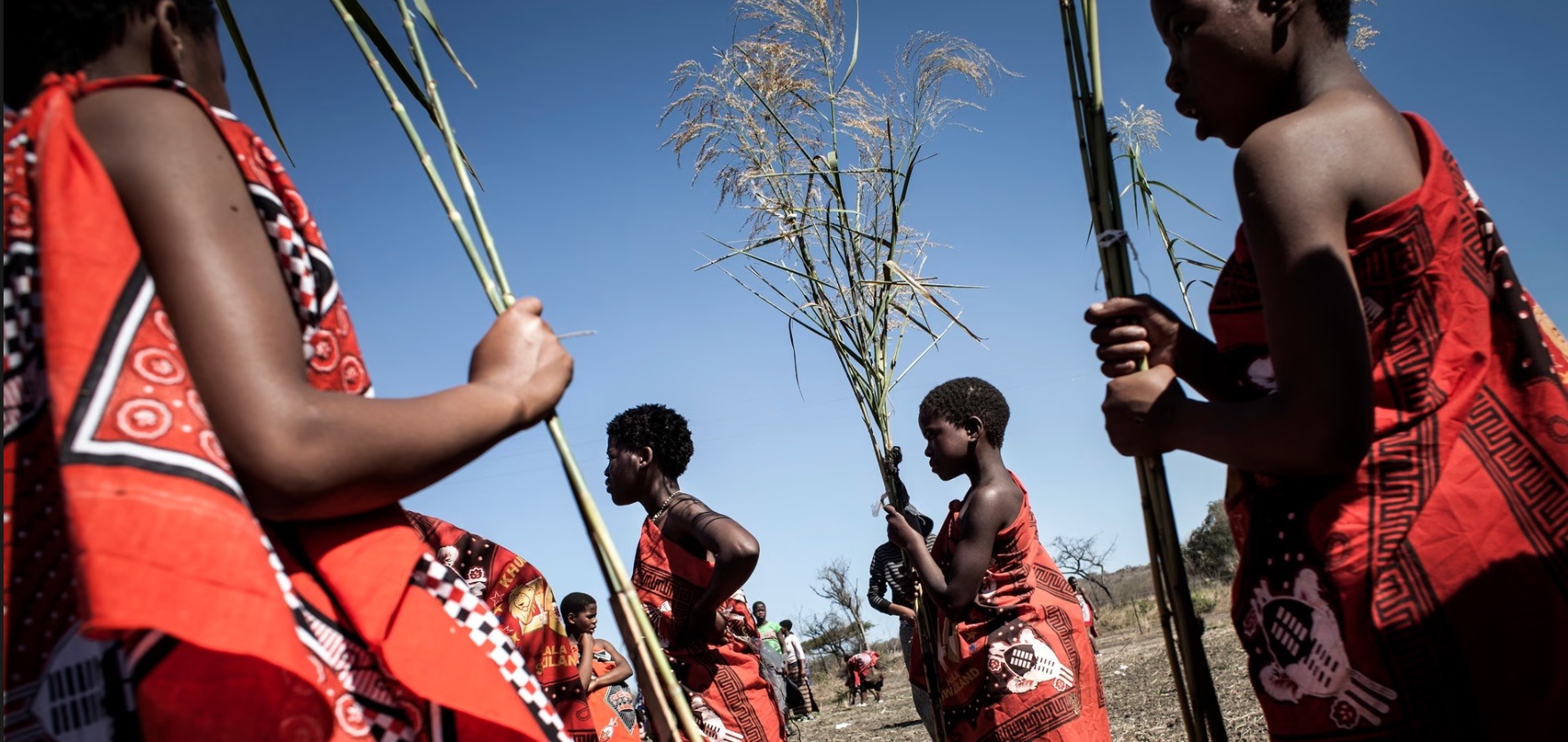
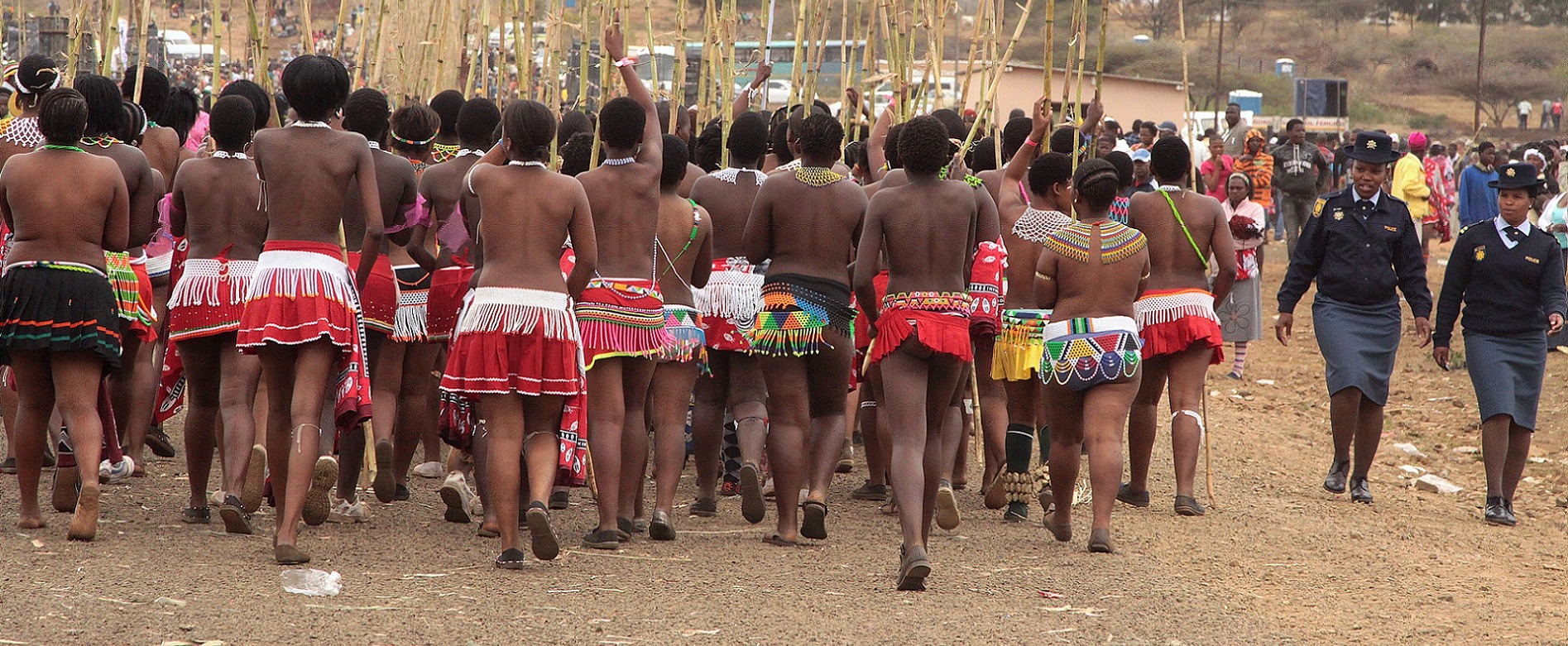
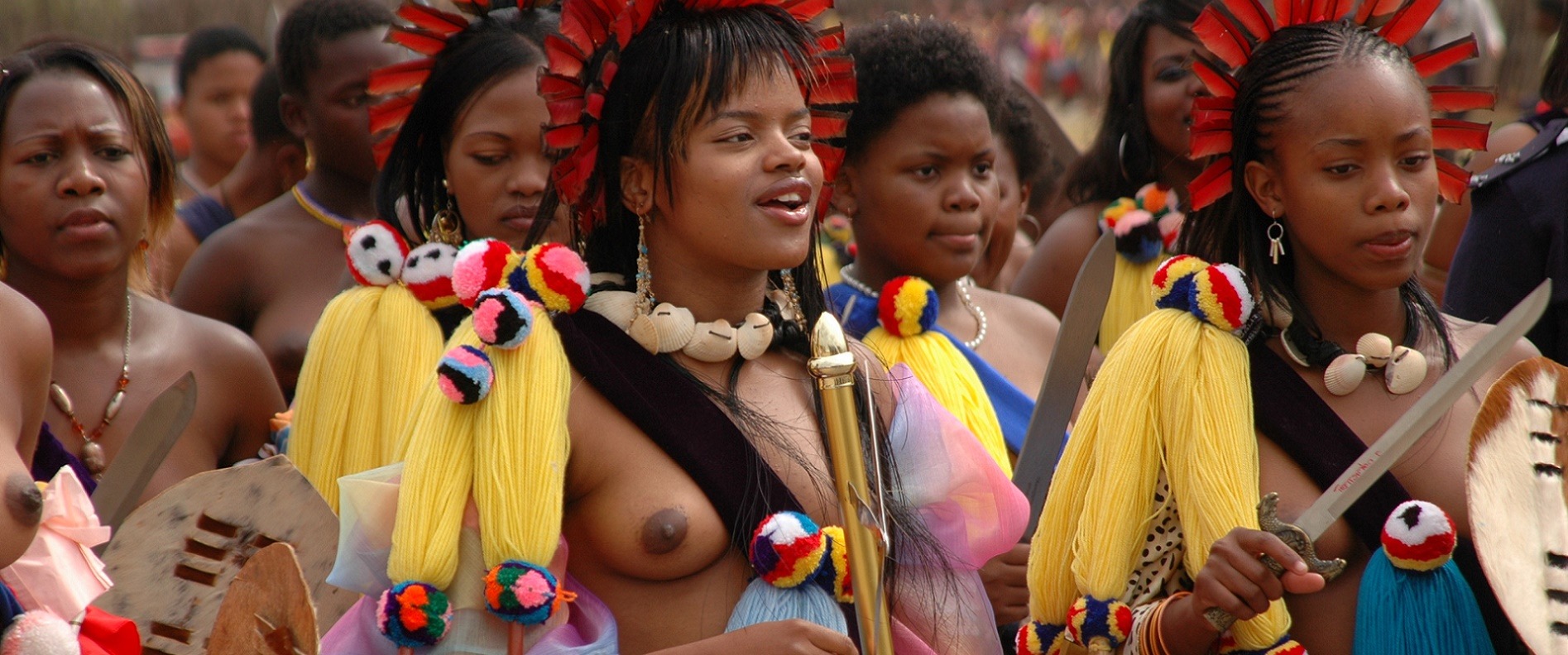
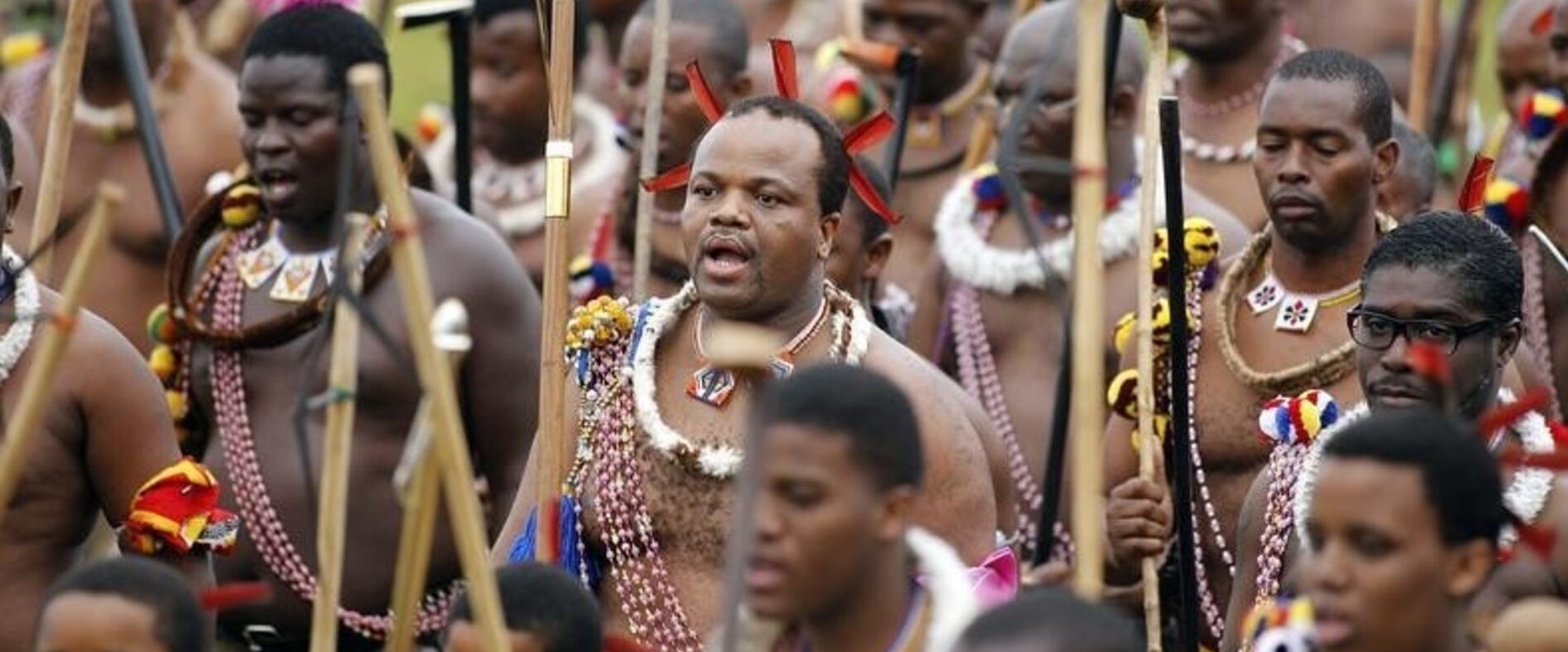
- Cultural Windows: The embassy serves as a vital focal point for introducing Swati heritage to the broader American public. They occasionally host targeted cultural events, highlighting the nation's vibrant traditions of beadwork, music, and garments, alongside seasonal observances like the Incwala (First Fruits Festival) and the Umhlanga (Reed Dance). [1]
🤝 Strategic Geopolitical and Public Health Networks
Due to the strong footprint of federal and global health organizations in the DMV, many Swati professionals in the region are highly active in global development:
- Multilateral Integration: Members of the diaspora are frequently employed by downtown D.C. institutions such as the World Bank and the International Monetary Fund (IMF), consulting on economic sustainability and trade infrastructure for Southern Africa.
- Public Health and PEPFAR: Given Eswatini’s history of managing high HIV prevalence rates through deep structural support from the U.S. President’s Emergency Plan for AIDS Relief (PEPFAR), the local diaspora contains a notable cohort of public health researchers and medical analysts collaborating with global agencies like USAID and the National Institutes of Health (NIH) in Bethesda, MD.
🌍 Inter-African and Southern African Social Spaces
Because of their small numbers, Swati nationals in the DMV rarely establish independent physical community spaces or restaurants. Instead, they integrate into broader, highly collaborative networks:
- Southern African Alliances: Swati expats frequently bond socially with larger regional diaspora networks, heavily intermingling with the South African, Zimbabwean, and Basotho (Lesotho) communities in the DMV.
- Shared Cultural Events: Families and young professionals routinely connect through pan-African student groups across regional universities (such as Georgetown and Howard University) and gather at multi-cultural African festivals hosted throughout Washington D.C. and Silver Spring, MD.
🗺️ Demographic Distribution
The population features a highly integrated suburban and urban footprint:
- Washington, D.C. Proper: Mostly comprised of active diplomatic personnel, international development experts, and graduate students residing near Foggy Bottom, DuPont Circle, and Columbia Heights.
- Suburban Maryland & Northern Virginia: Small pockets of multi-generational families and healthcare contractors live in Montgomery County, MD, and Fairfax County, VA, utilizing digital communication groups to maintain strong ties.