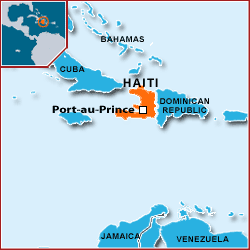


The Haitian diaspora in the DMV (Washington, D.C., Maryland, and Virginia) is a professionally accomplished, culturally prominent, and civically active Caribbean community. It combines established Haitian-American families with newer immigrants, students, healthcare professionals, international-development specialists, entrepreneurs, academics, and federal-sector workers. Community life is especially visible in suburban Maryland and Washington, D.C., where churches, professional organizations, advocacy groups, restaurants, and cultural institutions provide a strong social infrastructure.
Community Hubs and Institutional Presence
-
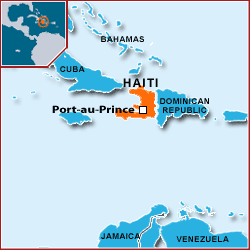
The Embassy of Haiti: Located in Washington, D.C., the Embassy serves as the principal diplomatic and administrative anchor for Haitian nationals in the region. It provides consular services while supporting cultural programming, diaspora engagement, development discussions, and national events.
-
National Haitian American Elected Officials Network (NHAEON): Provides a national civic and political platform for Haitian-American elected officials and advocates, with Washington serving as an important center for federal engagement on immigration, humanitarian assistance, and community policy priorities.
-
Haitian Ladies Network (HLN): A major professional and social network founded in the DMV that connects Haitian women across professional fields. Its activities include mentorship, networking, leadership programs, conferences, and community-building initiatives.
-
Haitian-American Professional Networks: Regional professional organizations connect Haitian physicians, researchers, technology professionals, engineers, consultants, academics, and government workers, creating career-development and mentorship opportunities.
-
Faith-Based Institutions: Catholic and Baptist churches across Maryland and the wider DMV provide significant community infrastructure, including worship, Haitian Creole and French-language services, youth programs, immigrant assistance, fundraising, and mutual aid.
Cultural and Social Dynamics
-
Suburban Maryland Community Corridors: Areas around Silver Spring, Hyattsville, Takoma Park, and Prince George's County provide important residential, commercial, and religious networks for Haitian families.
-
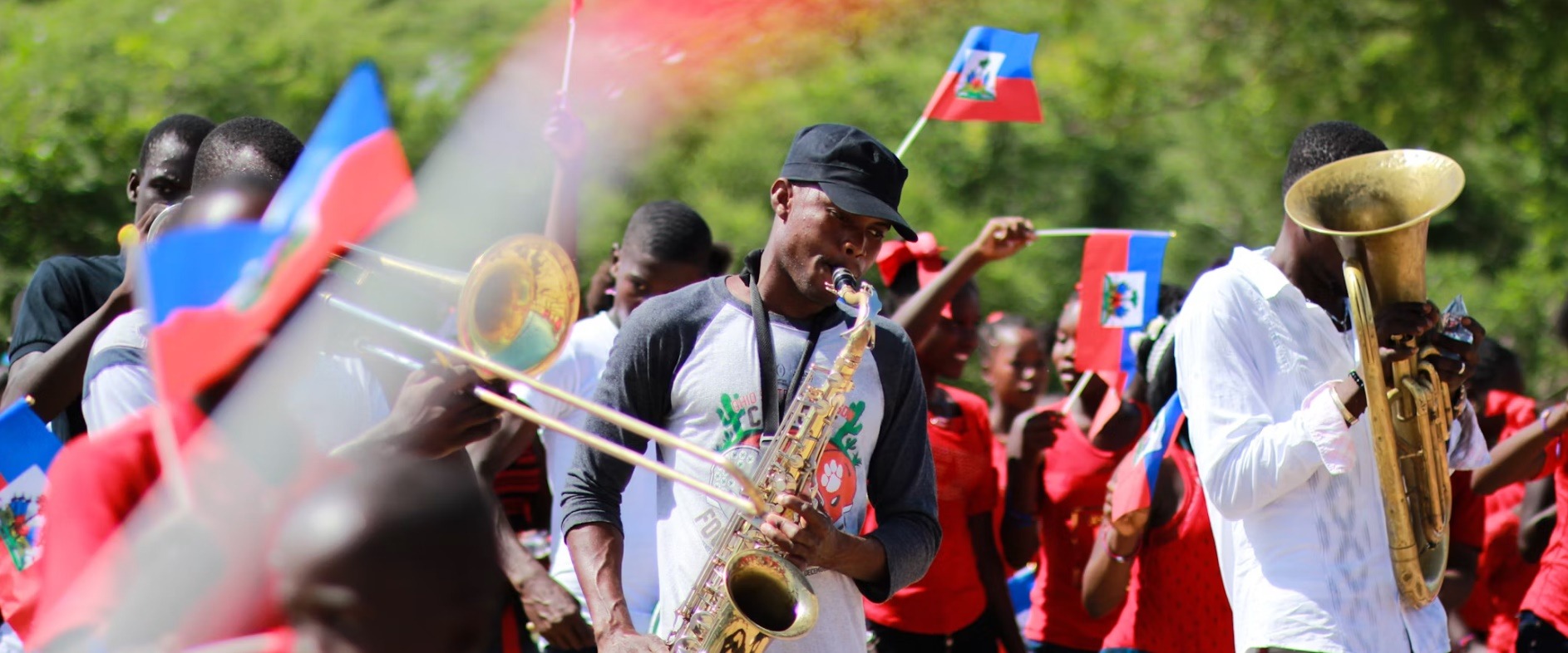
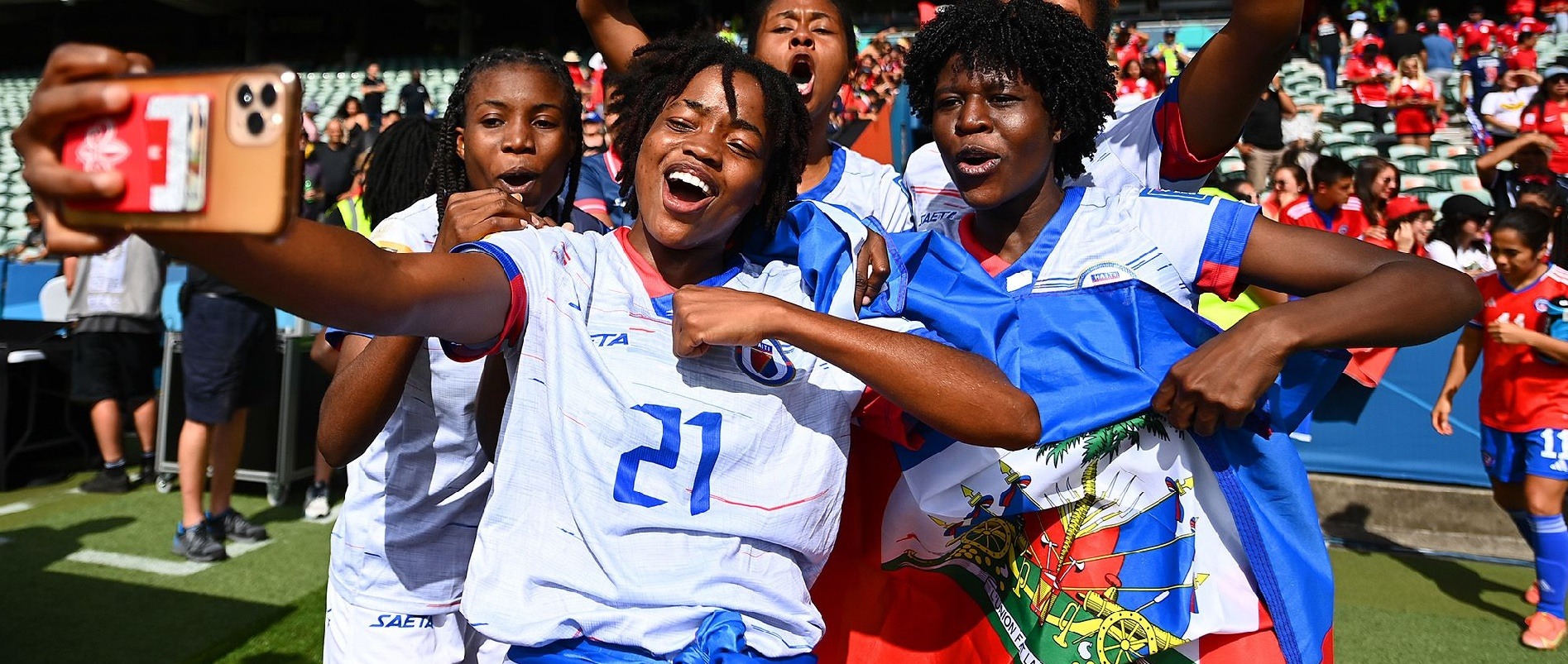
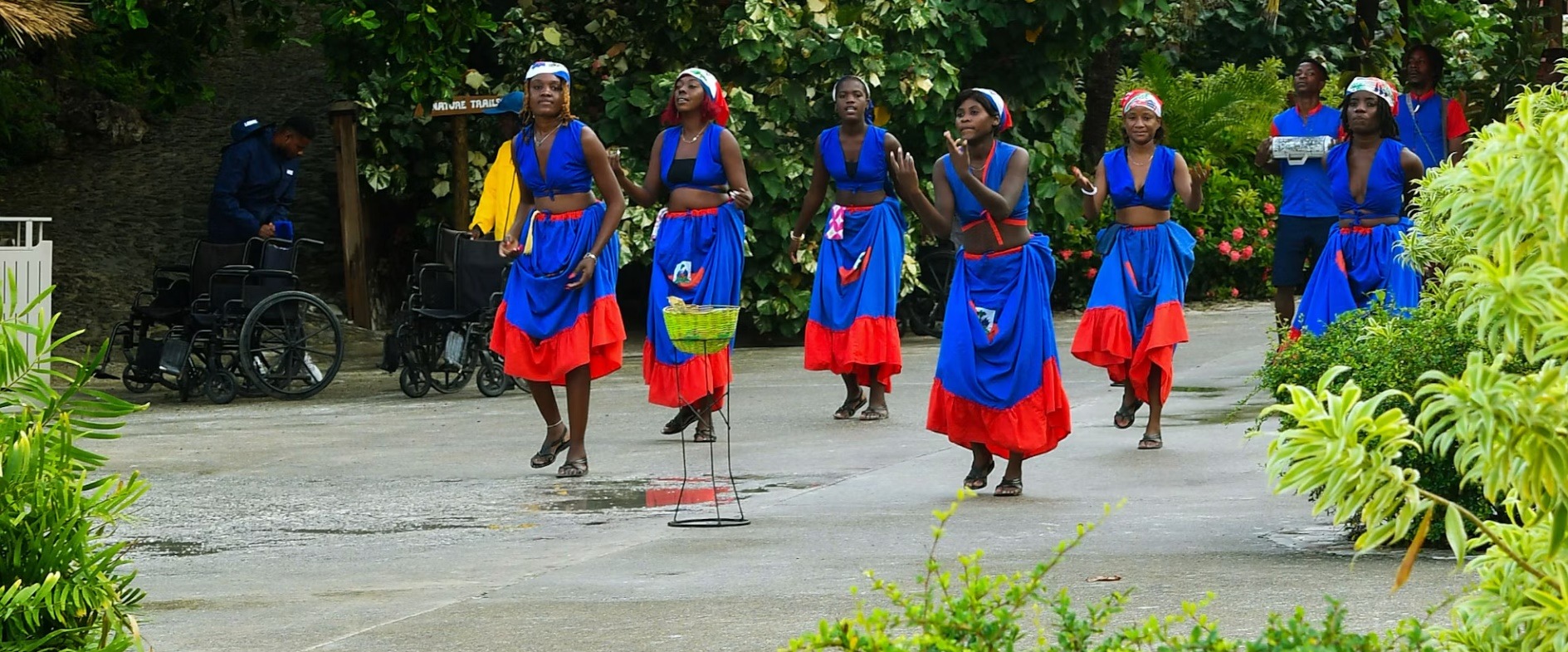
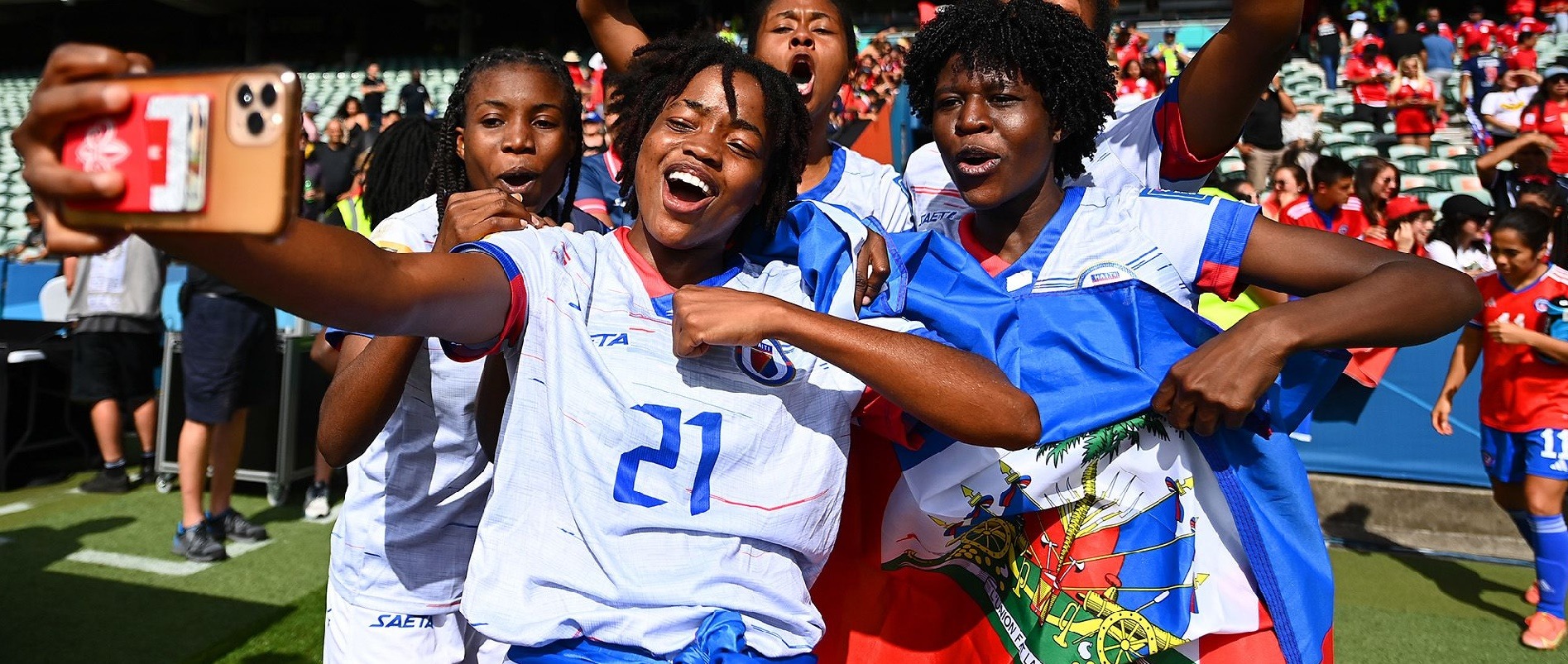
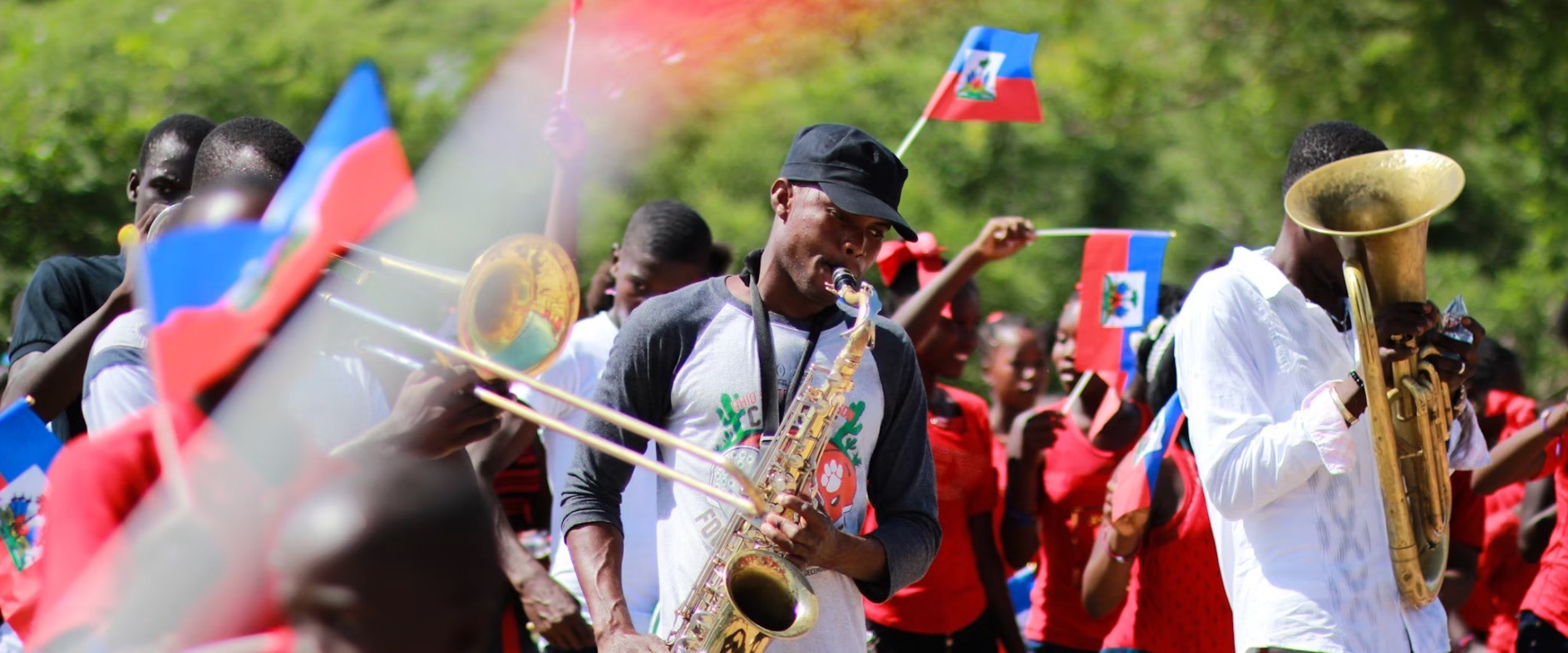
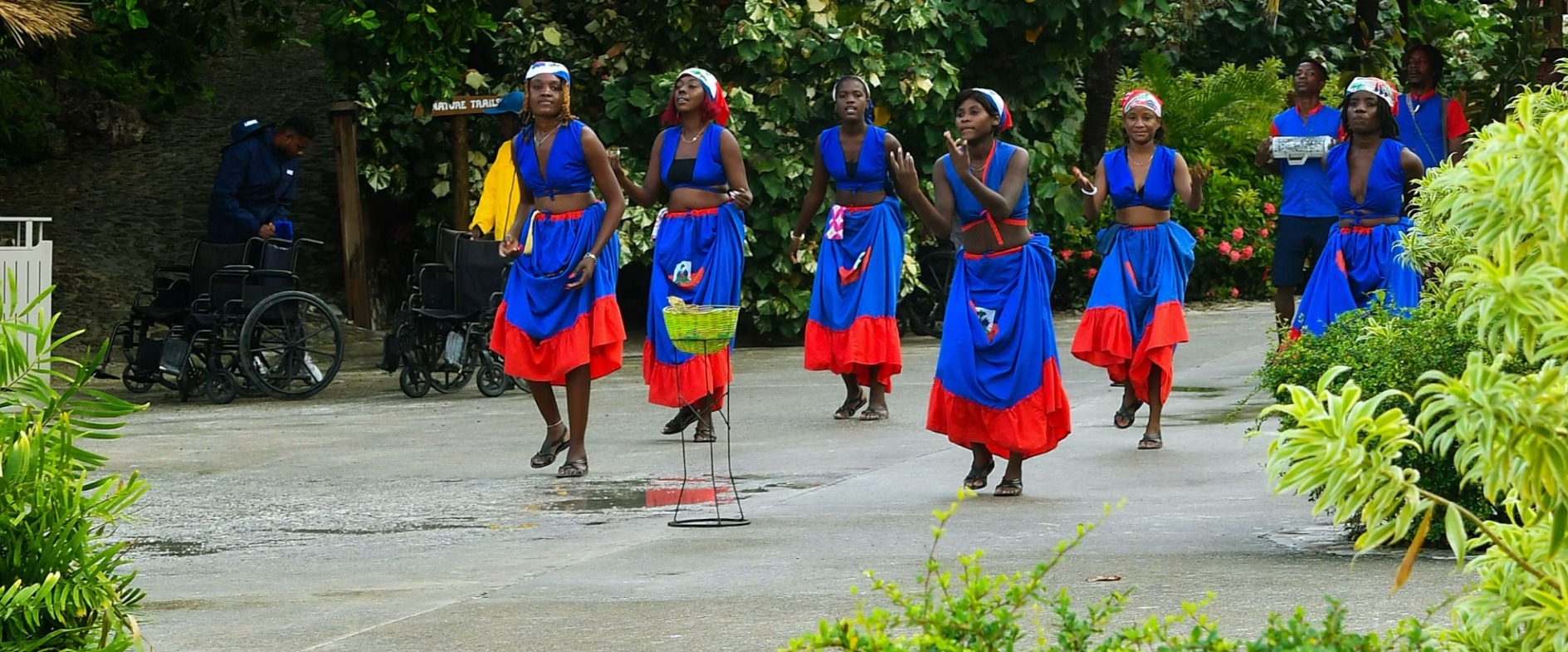
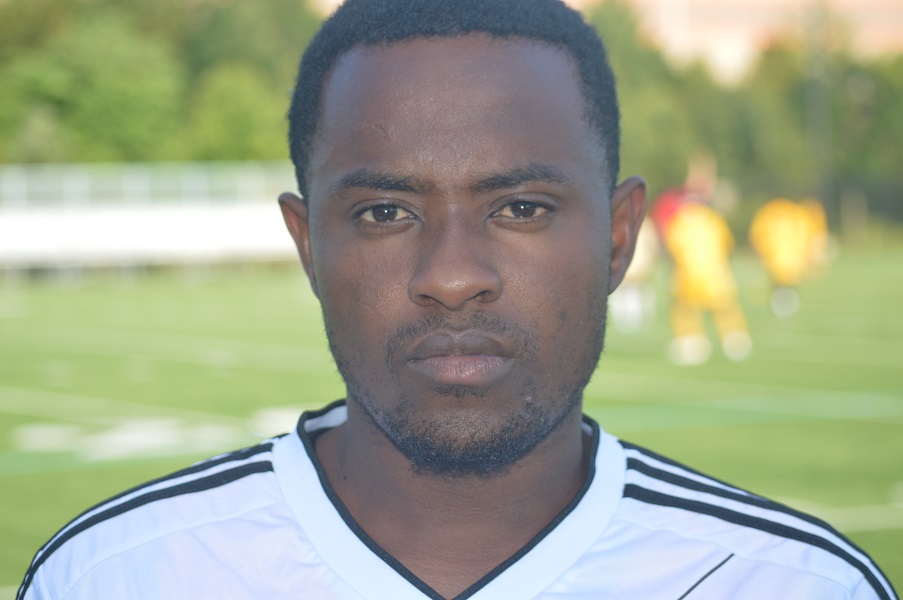
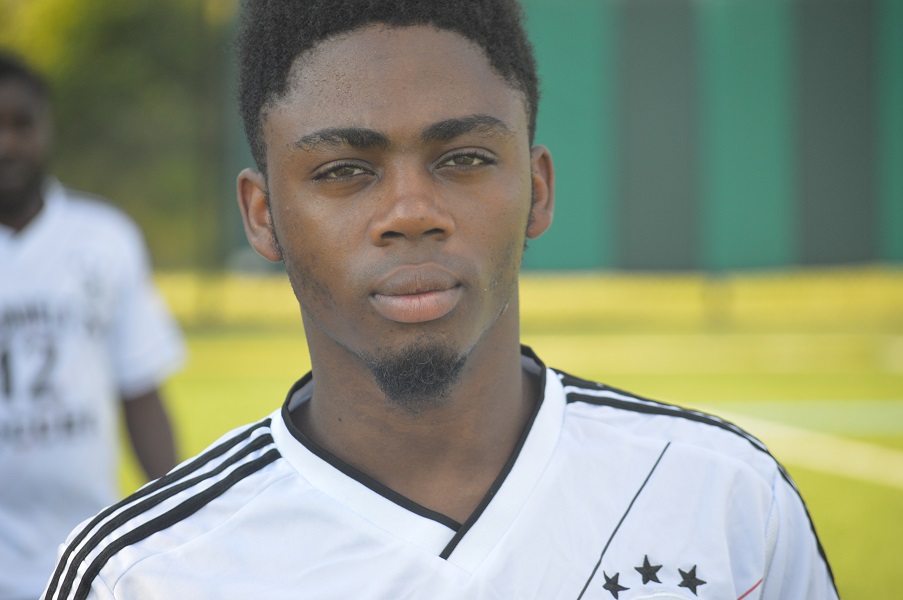
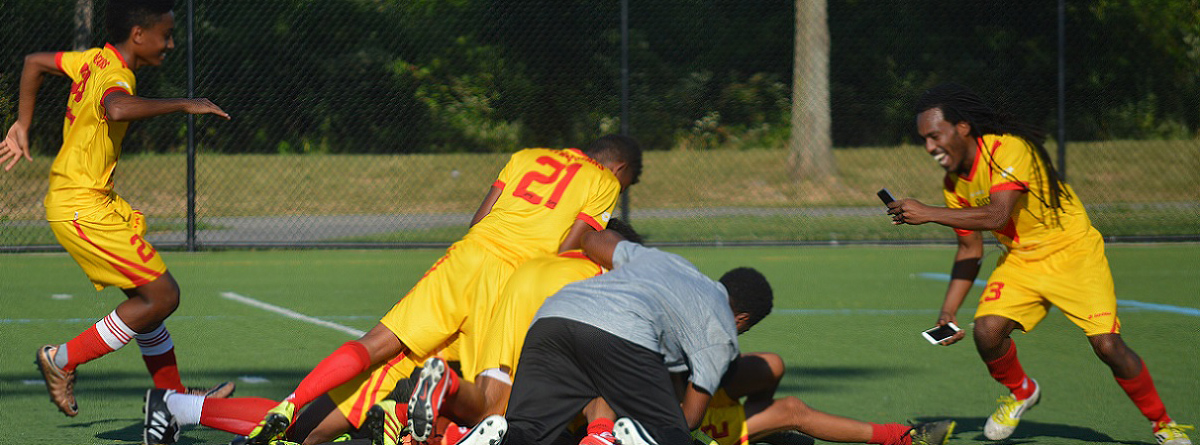
Haitian Flag Day: May 18 is the major national cultural celebration, with festivals, soccer tournaments, music, dance, food, and community gatherings celebrating Haitian identity and history.
-
Haitian Heritage Month: May provides an extended period of cultural programming, including film screenings, lectures, historical discussions, exhibitions, and community events focused on Haitian heritage and the Haitian Revolution.
-
Kompa & Cultural Music: Kompa, Haitian folk music, dance, and contemporary Haitian artists play a major role in community entertainment and social life, with concerts and cultural nights serving as important gathering points.
-
Haitian Cuisine: Restaurants, bakeries, caterers, food trucks, and pop-up chefs preserve dishes such as griot, diri kole, soup joumou, pâté kode, tassot, and Haitian breads and pastries. Food businesses often double as informal social hubs.
-
Language & Heritage Preservation: Haitian Creole and French are maintained through churches, family networks, cultural programs, schools, and community organizations, helping younger generations remain connected to Haitian heritage.
-
Professional & Civic Engagement: Washington's concentration of federal institutions, international organizations, universities, and policy groups gives Haitian professionals and advocates strong opportunities to participate in immigration policy, international development, healthcare, humanitarian affairs, and U.S.–Haiti relations.
-
Community Structure: The Haitian DMV community is best understood as a professionally integrated and institutionally active Caribbean diaspora, with the Embassy and advocacy networks providing formal infrastructure while churches, professional associations, food businesses, music, and cultural celebrations sustain everyday community life.