Sign In











 Facebook
 X-Twitter
 Instagram
 Linkedin
 Youtube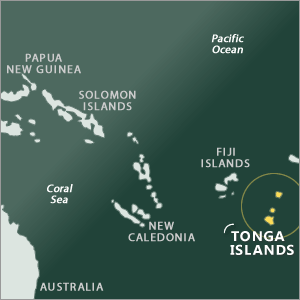
More Information
More Information
Street Soccer in Tonga
Street soccer is a growing recreational activity in Tonga, where children and teenagers regularly play informal football matches in neighbourhood areas, village grounds, school playgrounds, community fields, and open spaces. These games provide young players with an enjoyable way to stay active, improve their football skills, and strengthen friendships through the sport.
The energetic style of street soccer encourages close ball control, quick passing, creative dribbling, and continuous movement. Playing in smaller spaces helps participants improve their technical ability, confidence, teamwork, and decision-making while adapting to different playing conditions.
Street soccer offers an affordable and accessible way for communities across Tonga to enjoy football without requiring professional facilities. It promotes healthy lifestyles, strengthens community relationships, and inspires many young people to continue developing their passion for the game.
Street Soccer Culture in Tonga
Football is enjoyed by communities throughout Tonga, and street soccer is often where many children first experience the excitement of the game. Informal matches organised by schools, friends, and neighbourhood communities create a welcoming atmosphere where players of different ages and abilities can participate while sharing their love for football.
Skills Developed Through Street Soccer
Street soccer helps players improve dribbling, first touch, passing accuracy, shooting technique, agility, balance, ball control, and awareness. Regular games also strengthen communication, creativity, confidence, teamwork, and the ability to make quick decisions in fast-paced situations.
Street Soccer and Community Development
Street soccer brings communities together through football while encouraging teamwork, positive youth participation, and active lifestyles. It also provides aspiring players with valuable experience before progressing to school teams, local football clubs, academies, or organised youth football programmes.
The Tongan in the DMV Metro

- The Embassy of the Kingdom of Tonga: Located in downtown D.C., the Embassy of Tonga acts as the absolute focal point for the regional diaspora. It handles consular affairs, issues passports, and coordinates diplomatic relations with the U.S. government.
- Bilateral Navigation: The embassy serves as a critical navigation hub for Tongan citizens, especially as modern expats and travelers face evolving U.S. visa hurdles, travel policies, and repatriation frameworks.
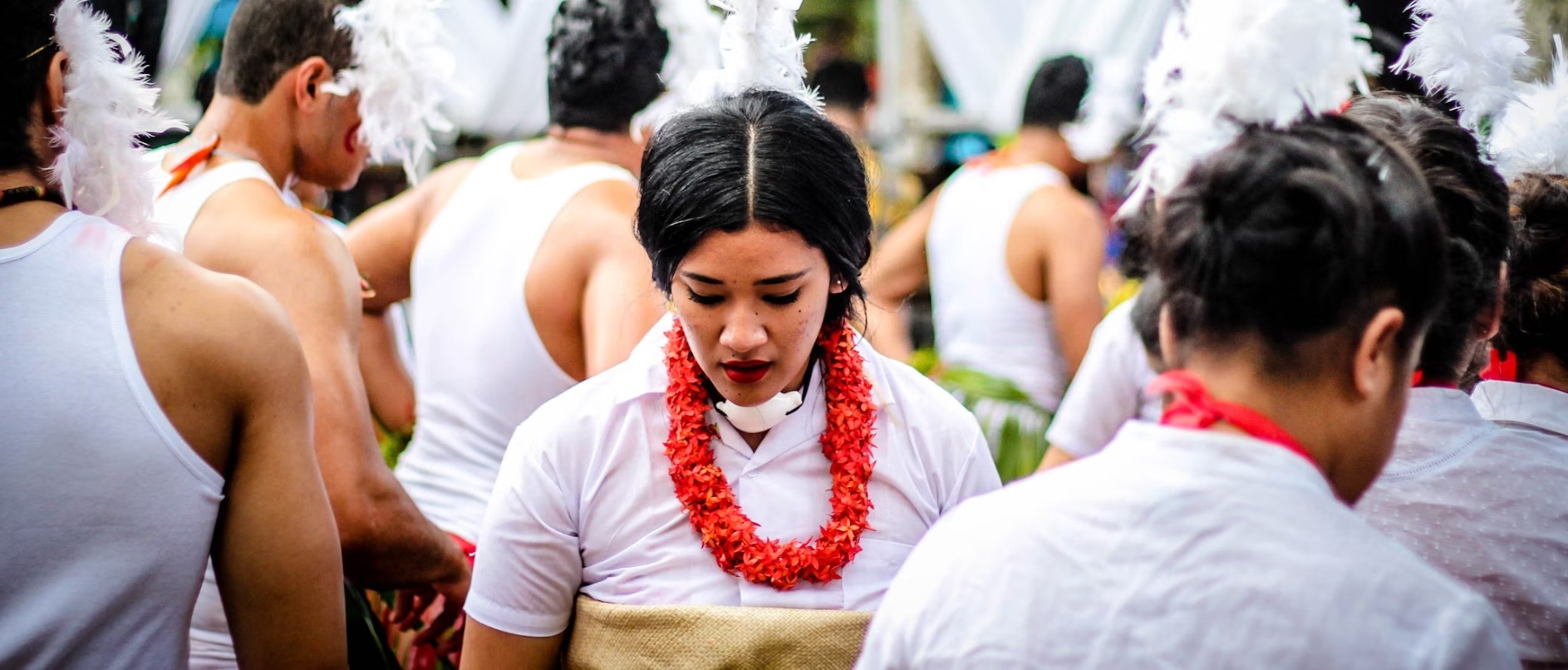
- Cultural Windows: While public celebrations are small compared to those out west, the embassy occasionally opens its doors or partners with local city programs to introduce Polynesian traditions, oral storytelling, and traditional dances to the wider D.C. public.
- Friends of Tonga (FoT): Headquartered in the DMV area, Friends of Tonga is a premier 501(c)(3) non-profit organization. Founded by former volunteers Michael Hassett and Chiara Collette, the group operates as a massive structural bridge. It works to support educational initiatives, disaster risk reduction, and environmental protection projects directly inside the Kingdom of Tonga.
- Disaster Response and Fundraising: The DMV Tongan community demonstrates remarkable mobilization speed during home-island crises. Following the catastrophic Hunga-Tonga-Hunga-Ha'apai volcanic eruption and tsunami, local networks instantly organized cultural fundraisers—such as events at the Galactic Panther Gallery and ESP Tea and Coffee in Alexandria, VA—gathering community members over traditional food, live music, and auctions to raise thousands in disaster relief.
- East Coast Tonga Day: To combat the geographic isolation of Polynesians living on the Atlantic coast, the DMV Tongan community launched the inaugural East Coast Tonga Day. This gathering serves as an essential annual cultural space for families to connect over Kava ceremonies, fellowship, and traditional arts.
Significance
Tongan migration has generally reflected family relationships, education, religious connections, limited employment opportunities, higher wages, and the country’s close social and economic ties with New Zealand, Australia, and the United States.
Tongan migration developed from long-established Polynesian traditions of ocean travel, trade, marriage, exploration, and family connections between Pacific islands. Large-scale overseas migration began during the mid-twentieth century and increased rapidly after the 1960s. Limited land, population growth, restricted employment opportunities, education, healthcare, and the possibility of earning higher wages encouraged many Tongans to relocate. Significant Tongan communities gradually developed in New Zealand, Australia, Hawaii, California, Utah, and other parts of the United States. Migrants continued to maintain close relationships with Tonga through financial assistance, family visits, church organisations, community events, and the preservation of the Tongan language, customs, and extended-family responsibilities.
Tongan Migration Before Large-Scale Overseas Settlement
Movement between Tonga and neighbouring Pacific islands existed centuries before European contact. Skilled Polynesian navigators travelled between Tonga, Samoa, Fiji, and other islands for fishing, trade, settlement, marriage, political alliances, warfare, and family responsibilities. Tonga became an important centre of political and maritime influence in the western Pacific. European explorers, missionaries, traders, and naval vessels began arriving between the seventeenth and nineteenth centuries, creating new religious, commercial, and transportation connections. The Tongan islands were united under King George Tupou I in 1845, and Tonga became a constitutional monarchy in 1875. In 1900, Tonga entered a protected relationship with Britain while preserving its monarchy and control over its internal affairs. These developments increased Tonga’s connections with foreign countries, although overseas migration remained relatively limited before the twentieth century.
Twentieth-Century Migration
Tongan overseas migration began as a relatively small movement during the 1950s but increased considerably from the mid-1960s through the 1970s and 1980s. Many Tongans moved to New Zealand for industrial, agricultural, and service-sector employment, while others migrated to Australia and the United States through education, church connections, employment, and family reunification. Honolulu, San Francisco, Los Angeles, and Salt Lake City became important centres for Tongan settlement in the United States. Family-based migration networks helped new arrivals find accommodation, employment, churches, and community support. Tongan migrants established churches, cultural associations, sports organisations, and extended-family networks that helped preserve their language, Christian traditions, respect for elders, communal responsibilities, and close relationships with relatives living in Tonga. Money and goods sent home by overseas Tongans also became an important source of support for families, villages, churches, and the national economy.