Sign In








 Facebook
 X-Twitter
 Instagram
 Linkedin
 Youtube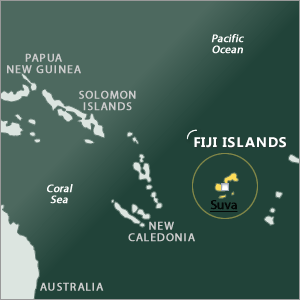
More Information
More Information
Street Soccer in Fiji
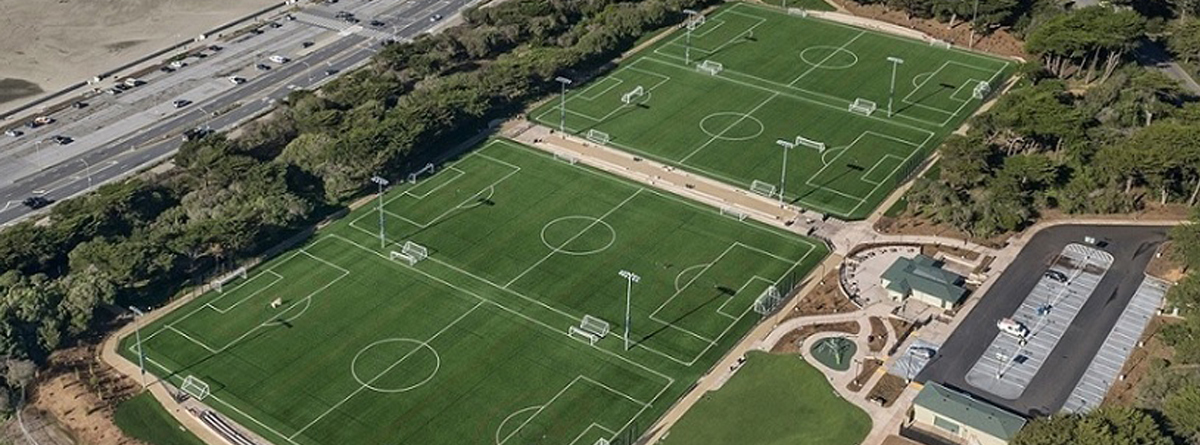
Street soccer is enjoyed by many young people in Fiji, where children and teenagers often play football in village grounds, school fields, neighbourhood areas, parks, and open community spaces. These informal matches provide a fun way for players to stay active while sharing their love for the sport with friends and local communities.
Playing in smaller spaces helps participants develop quick movement, close ball control, passing skills, and teamwork. The relaxed style of street soccer allows players to experiment with techniques, improve confidence, and adapt to different playing surfaces and conditions.
Street soccer provides an accessible way for communities across Fiji to enjoy football without requiring professional facilities. It encourages physical activity, strengthens community connections, and helps young players develop their interest in the game.
Street Soccer Culture in Fiji
Football is an important sport in Fiji, and street soccer often introduces young players to the basics of the game. Matches organised by schools, villages, and local groups create opportunities for people of different ages and backgrounds to participate.
Skills Developed Through Street Soccer
Street soccer helps players improve dribbling, first touch, passing accuracy, agility, balance, and awareness. The quick nature of the game also develops communication, creativity, and decision-making skills during matches.
Street Soccer and Community Development
Street soccer helps bring communities together by creating shared sporting experiences among young people. It also gives talented players valuable practice before joining school teams, local clubs, or organised football programmes.
The Fiji in the DMV Metro

- Consular Services: Serving as the exclusive provider of full consular needs - such as passport renewals, dual citizenship processing, and work permits - for Fijians on the East Coast.
- Diaspora Registry: The embassy actively runs a dedicated Diaspora Registration System to keep regional Fijians connected, track demographics, and invite the community to official state, cultural, and networking events.
- Professional Mix: The DMV diaspora is highly diverse, consisting of Indo-Fijians and ethnic Fijians. They work across international development, federal government contracting, corporate boardrooms, legal sectors, and healthcare systems throughout the D.C. metro area.
- Cultural Outreach: The community leverages regional events and diplomatic partnerships to keep Fijian traditions - such as heritage languages, traditional cuisine, and Pacific Islander cultural visibility - vibrant on the East Coast.
Significance
Fijian immigration to the United States has generally reflected British colonial rule, overseas education, professional employment, political coups, ethnic tensions, economic uncertainty, family reunification, and established Pacific migration networks.
Fijian migration to the United States remained comparatively limited until the second half of the twentieth century. Earlier arrivals mainly included sailors, students, diplomats, religious workers, academics, athletes, military personnel, businesspeople, and skilled professionals. Many Fijians traditionally migrated to New Zealand and Australia because of their geographic proximity and strong regional connections, while Canada and the western United States also became important destinations. Emigration increased substantially following the political coups of 1987 and 2000, which weakened the economy and created uncertainty, particularly among Indo-Fijian families and skilled professionals. Fijian communities developed most visibly along the American West Coast, where churches, cultural associations, sports clubs, businesses, and extended-family networks supported newcomers.
Fijian Migration Before Independence
Before independence, migration was shaped by Pacific maritime travel, British colonial administration, plantation agriculture, military service, education, and regional commerce. Fiji became a British Crown Colony in 1874. Colonial authorities brought approximately 60,000 indentured labourers from India between 1879 and 1916 to work mainly on sugarcane plantations, and many remained after their contracts ended. This migration created the foundations of Fiji’s large Indo-Fijian community. Indigenous Fijians, Indo-Fijians, Europeans, Chinese, and other Pacific peoples also travelled between Fiji and neighbouring islands as sailors, traders, labourers, students, religious workers, and government employees. Direct settlement in the United States remained uncommon, although American commercial and consular connections with Fiji existed during the nineteenth century.
Late-Twentieth- and Early-Twenty-First-Century Immigration
Fiji gained independence from Britain on October 10, 1970, and established diplomatic relations with the United States in 1971. Emigration increased during the following decades through skilled employment, university study, family reunification, and chain migration. The military coups of 1987 produced a major rise in departures, especially among Indo-Fijians concerned about political exclusion and reduced employment opportunities. Another coup in 2000 encouraged further emigration and contributed to the loss of teachers, healthcare workers, engineers, accountants, and other professionals. Many migrants settled in Australia, New Zealand, Canada, and the western United States. Fijian immigrants preserved iTaukei, Indo-Fijian, and other traditions through language, food, music, dance, Christianity, Hinduism, Islam, rugby, community festivals, remittances, and regular contact with relatives in Fiji.