Sign In







 Facebook
 X-Twitter
 Instagram
 Linkedin
 Youtube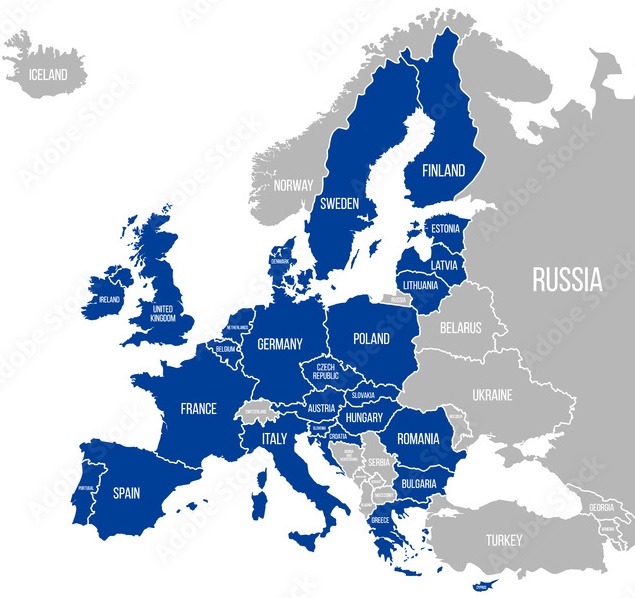
More Information
More Information
Street Soccer in the European Union
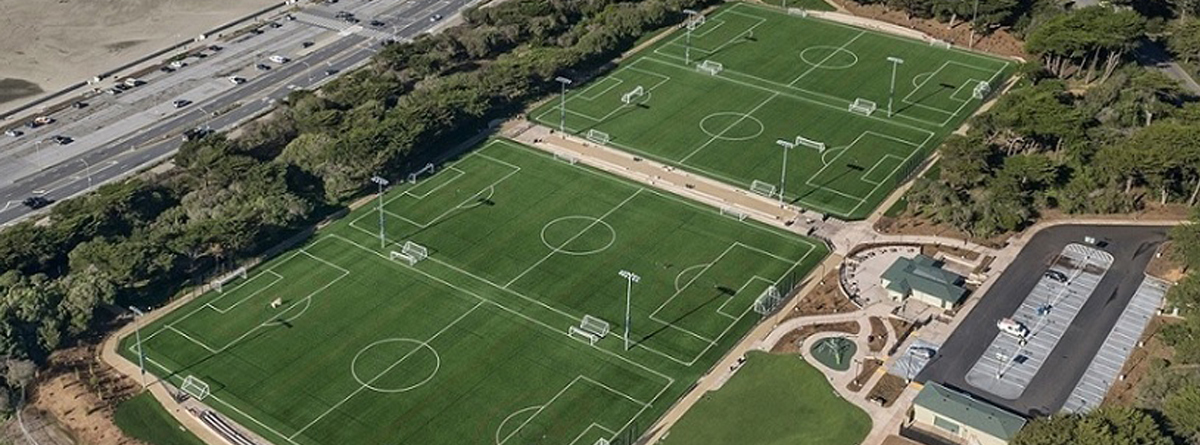
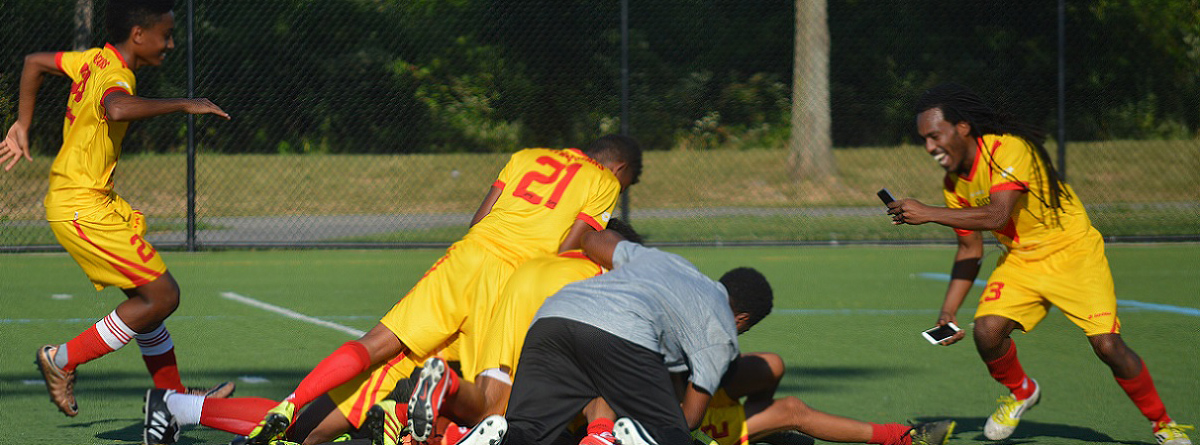
Street soccer is a popular recreational activity across the European Union, where children and teenagers regularly gather in neighbourhoods, residential areas, school playgrounds, public parks, community courts, sports grounds, and open spaces to play informal football matches. These games provide a fun and accessible way for young players to stay active, improve their football skills, and enjoy time with friends and other members of the community.
The energetic nature of street soccer encourages close ball control, quick passing, creative dribbling, shooting, and teamwork. Playing in smaller spaces and fast-paced environments helps participants develop agility, coordination, confidence, awareness, adaptability, and quick decision-making while enjoying friendly competition.
Street soccer offers an affordable and accessible way for communities across the European Union to enjoy football without requiring professional facilities. It promotes healthy lifestyles, social interaction, teamwork, and community connections while inspiring many young people to develop their passion for football and participate in organised sporting activities.
Street Soccer Culture in the European Union
Football is widely enjoyed throughout the European Union, and street soccer provides an informal environment where many children first develop their interest in the sport. Matches organised by friends, schools, neighbourhood groups, youth organisations, and local communities create opportunities for players of different ages and abilities to participate.
Skills Developed Through Street Soccer
Street soccer helps players improve dribbling, first touch, passing accuracy, shooting technique, agility, balance, ball control, positioning, and spatial awareness. Regular games also develop communication, creativity, confidence, teamwork, and the ability to make quick decisions during fast-paced matches.
Street Soccer and Community Development
Street soccer brings communities together through football while encouraging teamwork, positive youth participation, inclusion, and active lifestyles. It can also provide aspiring players with valuable experience before progressing to school teams, local football clubs, academies, futsal programmes, grassroots organisations, or organised youth football competitions across the European Union.
The E. UNION in the DMV Metro

The European Union diaspora in the DMV (District of Columbia, Maryland, and Virginia) region is a large, diverse, and highly integrated community representing people from across the EU's member states. Unlike smaller national diasporas, EU communities in the DMV include diplomats, government officials, researchers, academics, technology professionals, healthcare workers, entrepreneurs, students, journalists, and international development specialists. The region's role as a major centre for U.S. government, international organisations, diplomacy, and policy makes it an important hub for European professionals and institutions.
The Diplomatic and Institutional Anchor
Because Washington, D.C. is one of the world's major diplomatic capitals, the European Union's formal presence is centred around its diplomatic and institutional infrastructure:
-
Delegation of the European Union to the United States: Located in Washington, D.C., the EU Delegation serves as the principal diplomatic representation of the European Union in the United States. It supports political dialogue, economic cooperation, trade relations, security partnerships, climate policy, development cooperation, and communication between EU institutions and U.S. authorities.
-
EU Member-State Embassies: Individual EU countries maintain their own embassies and diplomatic missions throughout Washington, D.C. These institutions provide consular services and support citizens while also strengthening bilateral relations between their respective countries and the United States.
-
Transatlantic Policy Networks: European diplomats, policy experts, researchers, and government representatives regularly participate in transatlantic policy discussions involving NATO, international security, trade, energy, technology, climate policy, and global development.
Professional, Academic, and Policy Networks
The DMV region attracts a significant number of European professionals because of its concentration of government agencies, universities, international organisations, think tanks, and multinational institutions:
-
International Organisations and Development: European professionals work across organisations and institutions involved in international development, humanitarian assistance, economic policy, global health, and environmental programmes.
-
Research and Higher Education: Universities and research institutions in Washington, D.C., Maryland, and Virginia attract European students, academics, researchers, and visiting scholars. European professionals also participate in exchange programmes and collaborative research networks.
-
Technology and Business: European entrepreneurs, engineers, consultants, financial professionals, and technology specialists contribute to the region's international business environment, particularly in areas such as cybersecurity, finance, telecommunications, energy, and emerging technologies.
Pan-European Cultural and Social Spaces
The EU diaspora is not concentrated in a single European neighbourhood. Instead, people from different EU member states participate in national, European, and international social networks:
-
European Cultural Connections: European embassies, cultural institutes, universities, alumni groups, and community organisations regularly support cultural events featuring European languages, food, music, film, literature, art, and national traditions.
-
Cross-European Networks: EU citizens from different member states frequently connect through professional associations, academic programmes, business organisations, language groups, and European cultural events throughout the DMV.
-
Student and Professional Communities: European graduate students, researchers, interns, and young professionals form an important part of the region's temporary and long-term European population, with many maintaining strong connections with their home countries.
Demographic Distribution
The European Union population in the DMV has a highly integrated urban and suburban footprint shaped by diplomatic, academic, professional, and international employment:
-
Washington, D.C. Proper: The strongest concentration is around areas associated with diplomatic and international institutions, including Foggy Bottom, Georgetown, Dupont Circle, and nearby central neighbourhoods. Residents include diplomats, embassy employees, policy professionals, researchers, journalists, students, and international organisation staff.
-
Montgomery County, Maryland: European professionals, families, researchers, and international development workers are represented across communities in Montgomery County, benefiting from its proximity to Washington, D.C., international institutions, schools, and employment centres.
-
Northern Virginia: Arlington, Alexandria, and Fairfax County attract European professionals working in government contracting, technology, defence, consulting, international business, and diplomatic-related sectors. The area's suburban environment also provides housing for European families and long-term residents.
-
Regional European Network: Rather than forming a single geographic enclave, EU communities across the DMV remain connected through embassies, cultural organisations, universities, professional networks, social groups, and digital communities, creating a broad and interconnected European presence throughout the metropolitan region.
SIGNIFICANCE: Migration from the European Union to the United States has generally reflected economic opportunity, industrialisation, political upheaval, religious and ethnic persecution, war, overseas employment, education, family reunification, and professional mobility.
European migration to the United States began on a large scale during the colonial and early national periods and expanded dramatically during the nineteenth and early twentieth centuries. Millions of migrants arrived from countries that are now members of the European Union, including Ireland, Germany, Italy, Poland, France, Spain, Portugal, Greece, and other parts of Central and Eastern Europe. Many worked in agriculture, mining, manufacturing, construction, domestic service, and other growing industries, while others arrived as merchants, professionals, religious communities, and political refugees. European immigrants established communities across the United States, particularly in New York, Pennsylvania, Massachusetts, Illinois, Ohio, Michigan, California, and other industrial and agricultural regions. They founded churches, schools, newspapers, businesses, labour organisations, cultural associations, and community institutions that helped preserve their languages, traditions, and identities.
European Migration Before the European Union
Before the European Union was established, migration from Europe was shaped by economic hardship, industrialisation, political conflict, religious persecution, changing borders, and major wars. During the nineteenth century, large numbers of Europeans migrated to the United States in search of land, employment, and greater economic opportunity. Irish and German migration was followed by substantial arrivals from Italy, Poland, Greece, and other European regions during the late nineteenth and early twentieth centuries. World Wars I and II, political repression, the Holocaust, and post-war displacement also produced refugees and displaced persons who sought safety and permanent settlement in the United States. Although European countries later developed closer political and economic relationships, migration during this period was primarily organised according to individual national identities rather than a common European framework.
Late-Twentieth- and Early-Twenty-First-Century Immigration
The European Union was formally established in 1993, creating deeper political and economic cooperation among its member states and gradually supporting greater freedom of movement within Europe. Migration from EU countries to the United States continued through employment, higher education, business opportunities, family reunification, scientific research, cultural exchange, and specialised professional work. European migrants increasingly included engineers, scientists, academics, entrepreneurs, healthcare professionals, technology workers, artists, students, and skilled employees. Communities from EU member states remain established throughout the United States, maintaining cultural festivals, language schools, restaurants, religious institutions, professional organisations, and heritage associations. As many EU countries became more economically developed and integrated, migration to the United States became increasingly diverse and often temporary, with students and professionals moving between Europe and America for education, employment, research, and international business.