 Sign In








 Facebook
 X-Twitter
 Instagram
 Linkedin
 Youtube
More Information
More Information
Street Soccer in São Tomé and Príncipe
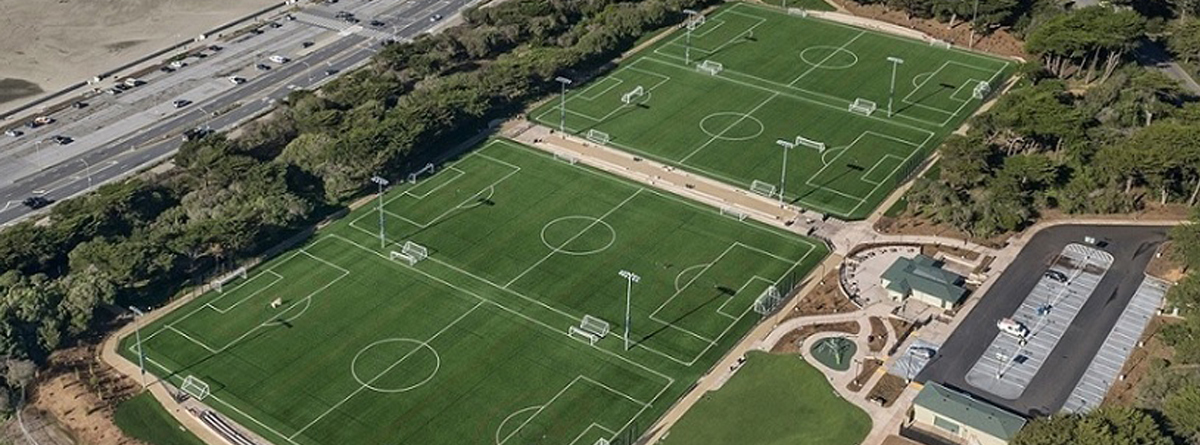
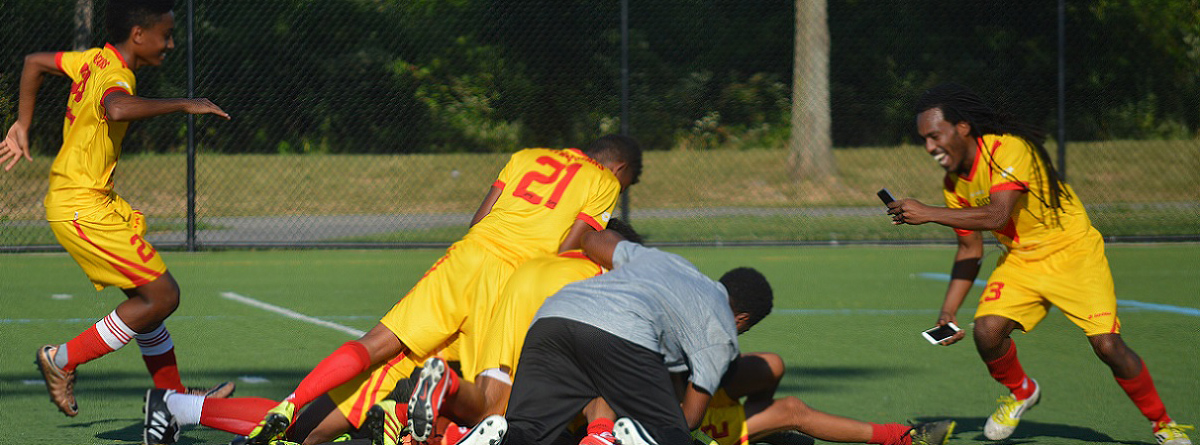
Street soccer is a meaningful part of community football in São Tomé and Príncipe, where children and young players often gather in neighbourhood areas, school yards, village spaces, and local fields to enjoy informal football matches. These games allow players to experience the excitement of football while developing their skills in simple and accessible environments.
The relaxed nature of street soccer encourages creativity, quick thinking, close ball control, and teamwork. Young players learn to adapt to different surfaces and limited spaces while improving their confidence, coordination, and understanding of the game.
Street soccer provides an affordable way for communities across São Tomé and Príncipe to participate in football without needing advanced facilities. It supports active lifestyles, encourages youth involvement, and helps build a strong connection between communities and the sport.
Street Soccer Culture in São Tomé and Príncipe
Football plays an important role in local communities, and street soccer is often the first experience many children have with the game. Matches between friends, neighbours, and school groups create a friendly environment where players can enjoy competition, develop friendships, and share their passion for football.
Skills Developed Through Street Soccer
Street soccer helps players improve dribbling, passing, first touch, shooting accuracy, agility, balance, and awareness. Regular play also develops teamwork, communication, creativity, confidence, and the ability to make quick decisions during fast-paced situations.
Street Soccer and Community Development
Street soccer strengthens communities by bringing young people together through football. It encourages cooperation, discipline, and positive social interaction while providing a foundation for players who wish to continue toward local clubs, youth teams, or organised football programmes.
The SAO T. P. in the DMV Metro

The São Tomé and Príncipe diaspora in the Washington, D.C., Maryland, and Virginia (DMV) area is a very small and dispersed African immigrant community. Unlike larger African diasporas in the region, Santomeans generally do not have a dedicated neighborhood, restaurant district, or large community organization. The community is primarily connected through diplomatic institutions, Portuguese-speaking networks, and broader African cultural organizations.
Core Community Organizations
-
Embassy of São Tomé and Príncipe: Located in Washington, D.C., the embassy serves as the main institutional and diplomatic hub for the Santomean community, providing consular services and supporting national celebrations and community activities.
-
Ministry of Foreign Affairs, Cooperation and Communities: São Tomé and Príncipe's foreign ministry maintains diaspora-related resources and government outreach for citizens living abroad.
-
PALOP Community Networks: Santomeans participate in broader Portuguese-speaking African networks alongside communities from Angola, Cape Verde, Mozambique, and Guinea-Bissau.
Cultural & Social Hubs
-
Passport DC: The annual embassy and cultural programming in Washington, D.C., provides an important opportunity for São Tomé and Príncipe to showcase its culture, food, music, art, and history.
-
Portuguese-speaking African communities: Santomeans often connect with larger PALOP communities in Maryland and Northern Virginia through Portuguese-language social events, churches, and cultural gatherings.
-
Broader African cultural festivals: Because of the small size of the community, Santomean cultural participation is generally integrated into larger African and Lusophone events rather than organized through standalone festivals.
Community Characteristics
-
Small and dispersed: The DMV community consists primarily of families, professionals, students, and diplomatic personnel rather than a large concentrated enclave.
-
Diplomatic-centered: The Embassy plays an especially important role because there are relatively few Santomean community institutions in the region.
-
Lusophone connections: Portuguese-speaking African networks provide an important social and cultural connection to the wider DMV community.
Significance
Immigration from São Tomé and Príncipe has generally reflected Portuguese colonial rule, economic opportunity, educational advancement, professional employment, family reunification, skilled migration, international cooperation, and cultural exchange.
Migration from São Tomé and Príncipe has historically been shaped by its small island population, Portuguese colonial administration, and limited domestic economic opportunities. Citizens have commonly migrated to Portugal, Angola, Gabon, Equatorial Guinea, and other Portuguese-speaking countries for employment, higher education, business, and family connections. Overseas migration to the United States has remained comparatively limited and has primarily involved students, healthcare professionals, academics, entrepreneurs, researchers, government officials, and skilled workers pursuing university education, specialized careers, scientific collaboration, and family sponsorship. Today, immigrants from São Tomé and Príncipe maintain strong cultural, linguistic, and family ties with their homeland while contributing to diverse professional fields in the United States.
Migration from São Tomé and Príncipe Before Independence
Before independence, São Tomé and Príncipe was a Portuguese colony for nearly five centuries after its discovery by Portuguese explorers in the late fifteenth century. Migration during the colonial period was influenced by cocoa and coffee plantation agriculture, maritime trade, government administration, missionary education, and regional commerce. Residents travelled primarily to Portugal and other Portuguese territories as plantation workers, traders, teachers, students, civil servants, and members of extended families. Direct migration to the United States remained relatively limited because political, educational, and commercial connections were centred primarily on Portugal and other Portuguese-speaking territories. São Tomé and Príncipe gained independence from Portugal on July 12, 1975, and the United States recognized the new nation shortly thereafter before establishing diplomatic relations.
Late-Twentieth- and Early-Twenty-First-Century Immigration
Migration increased after independence as educational opportunities, economic development, globalization, and expanding professional careers encouraged more citizens to pursue opportunities abroad. Students, physicians, engineers, scientists, academics, entrepreneurs, information technology specialists, business professionals, and researchers increasingly travelled to the United States for university education, specialized employment, scientific research, investment, or family reunification. Academic exchange programs, international organizations, multinational companies, and family sponsorship have continued to support migration in recent decades. In the United States, immigrants from São Tomé and Príncipe often rely on family networks, churches, Lusophone cultural associations, alumni organizations, and professional groups for support with housing, employment, education, and community integration while preserving Portuguese, Forro, Angolar, Principense, traditional cuisine, cultural heritage, religious practices, and close relationships with relatives in São Tomé and Príncipe.







Latest Fixtures & Results
| 04.03.2027 |  |
Sao T. P. | - |  |
Tonga |
| 04.10.2027 | |
Sao T. P. | - |  |
Libya |
| 04.17.2027 | |
Sao T. P. | - |  |
St. Kitts. N. |
| 04.24.2027 | |
Sao T. P. | - |  |
United A.E |
| 05.01.2027 |  |
Brunei D. | - | |
Sao T. P. |
| 05.08.2027 | |
Sao T. P. | - |  |
Suriname |
| 05.15.2027 |  |
Grenadines | - | |
Sao T. P. |
| 05.22.2027 | |
Sao T. P. | - | |
Tonga |
| 05.29.2027 |  |
Puerto R. | - | |
Sao T. P. |
