Sign In







 Facebook
 X-Twitter
 Instagram
 Linkedin
 Youtube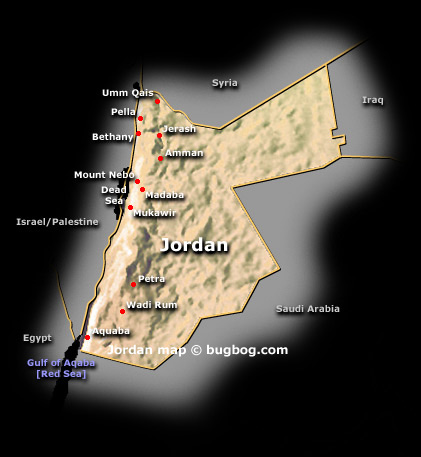
More Information
More Information
Street Soccer in Jordan
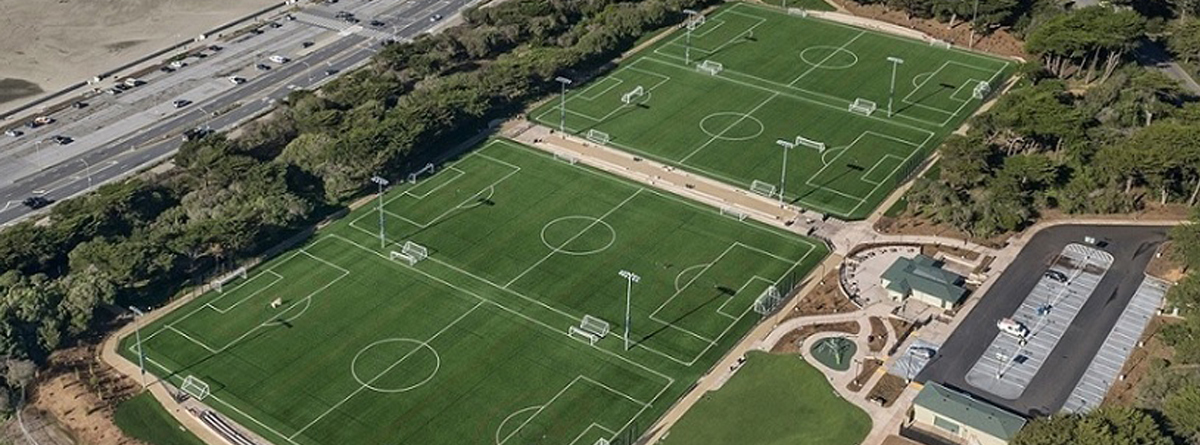
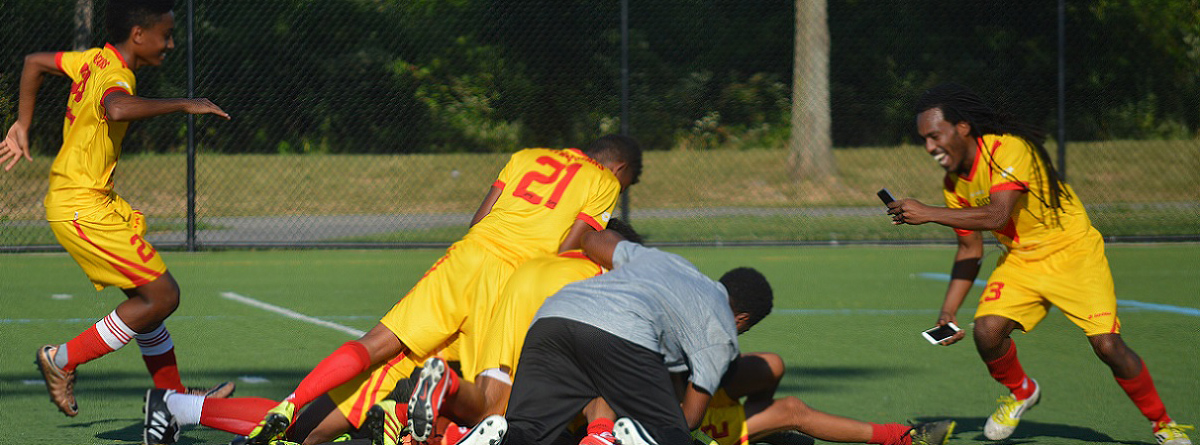
Street soccer is a popular activity in Jordan, where children and teenagers regularly gather in neighbourhood streets, school playgrounds, public parks, and community sports areas to enjoy informal football matches. These games provide a fun and accessible way for young players to stay active while improving their football skills alongside friends.
Playing on compact pitches encourages quick passing, close ball control, agile movement, and fast decision-making. The informal nature of street soccer allows participants to develop creativity, confidence, and teamwork while adapting to different playing environments through regular practice.
Street soccer offers an affordable way for communities across Jordan to enjoy football without requiring professional stadiums or large facilities. It promotes healthy lifestyles, strengthens neighbourhood relationships, and inspires many young people to continue their passion for the sport.
Street Soccer Culture in Jordan
Football is one of the most popular sports in Jordan, and street soccer is often where many children first develop their interest in the game. Friendly matches organised by schools, neighbours, and local communities create an inclusive atmosphere where players of different ages and abilities can enjoy football together.
Skills Developed Through Street Soccer
Street soccer helps players improve dribbling, first touch, passing accuracy, agility, balance, ball control, and awareness. Regular games also strengthen communication, creativity, confidence, and the ability to make quick decisions during fast-paced matches.
Street Soccer and Community Development
Street soccer brings communities together through football while encouraging teamwork, positive youth participation, and active outdoor recreation. It also provides aspiring players with valuable experience before progressing to school teams, local football clubs, academies, or organised youth football programmes.
The JORDAN in the DMV Metro

The Jordanian diaspora in the DMV (Washington, D.C., Maryland, and Virginia) is a highly educated, established, and professionally diverse Arab-American community. It includes physicians, engineers, technology professionals, international-development specialists, federal consultants, entrepreneurs, diplomats, and students. Rather than forming a single concentrated ethnic neighborhood, Jordanian families are distributed throughout affluent suburban communities and remain connected through professional organizations, diplomatic institutions, religious networks, and food-centered social gatherings.
Community Hubs and Institutional Presence
-
The Embassy of the Hashemite Kingdom of Jordan: Located in Washington, D.C., the Embassy serves as the principal diplomatic and civic anchor for Jordanians in the region. It supports consular services and provides a venue for professional networking, youth programs, cultural events, and official Jordanian-American engagement.
-
National Arab American Medical Association (NAAMA) – DMV: The regional chapter provides an important professional network for Jordanian-American physicians, researchers, healthcare executives, and medical students alongside professionals from other Arab countries. Mentorship, networking, conferences, and healthcare-related events are central activities.
-
Jordanian-American Professional Networks: Local professional associations and informal networks connect Jordanian engineers, technology professionals, consultants, contractors, entrepreneurs, and other highly skilled workers across Northern Virginia and Maryland.
-
University & Student Networks: Jordanian students at universities throughout the DMV provide an important younger-generation component, often connecting through cultural associations, professional groups, and embassy activities.
Cultural and Social Dynamics
-
Professional & Suburban Integration: Jordanian families are widely distributed across the metropolitan region, particularly in established Northern Virginia and Maryland suburbs. Community life is therefore more network-based than geographically concentrated.
-
Jordanian & Arab-American Connections: The community participates extensively in broader Arab-American networks, sharing cultural, religious, professional, and social spaces with Lebanese, Palestinian, Syrian, Egyptian, Iraqi, and other Arab communities.
-
Mansaf & Culinary Traditions: Mansaf, made with lamb and jameed, is an especially important cultural food and is commonly prepared for weddings, family gatherings, holidays, and community events. Home cooks, caterers, and pop-up operations help preserve Jordanian culinary traditions.
-
Religious & Family Networks: Mosques, churches, family associations, and community gatherings provide important spaces for religious observance, youth activities, weddings, bereavement support, and intergenerational cultural transmission.
-
National Celebrations: Jordanian national occasions and embassy receptions provide opportunities for families, students, professionals, and diplomats to reinforce connections to Jordan and celebrate national heritage.
-
Community Structure: The Jordanian DMV community is best understood as a professionally integrated Arab-American diaspora, with the Embassy and professional networks providing institutional infrastructure while family, religious, culinary, and broader Arab-American networks sustain everyday community life.
Significance
Immigration from Jordan has generally reflected British administration, regional conflict, educational opportunities, professional employment, family reunification, humanitarian migration, international business, and political stability within the Middle East.
Migration from Jordan has historically been shaped by regional political developments, economic opportunities, and its role as a destination for refugees from neighboring countries. Jordanians have commonly migrated to the Gulf states, Europe, Canada, and the United States for higher education, professional employment, business, and family reunification. Overseas migration expanded during the late twentieth and early twenty-first centuries as students, healthcare professionals, engineers, academics, entrepreneurs, and skilled workers pursued international careers and educational opportunities. Today, Jordanian immigrants have established growing communities in the United States while maintaining strong cultural, linguistic, religious, and family ties with their homeland.
Jordanian Migration Before Independence
Before independence, the territory was administered as the Emirate of Transjordan under the British Mandate following the collapse of the Ottoman Empire after the First World War. Migration during this period was influenced by agriculture, trade, government administration, military service, education, and regional commerce. Residents frequently travelled throughout the Middle East as merchants, farmers, civil servants, students, soldiers, and members of extended families. Direct migration to the United States remained relatively limited because political, educational, and commercial connections were centered primarily within the Middle East and the British-administered territories. Transjordan gained independence on May 25, 1946, becoming the Hashemite Kingdom of Jordan, and the United States recognized the new nation shortly thereafter before establishing diplomatic relations.
Late-Twentieth- and Early-Twenty-First-Century Immigration
Migration increased after independence as educational opportunities, professional careers, and expanding international business encouraged many Jordanians to seek opportunities abroad. Students, physicians, engineers, scientists, academics, entrepreneurs, information technology specialists, corporate executives, and business professionals increasingly travelled to the United States for university education, specialized employment, research, investment, or family reunification. Regional conflicts in neighboring countries also strengthened Jordan's international connections and contributed indirectly to migration patterns. In the United States, Jordanian immigrants often rely on family networks, mosques, churches, cultural associations, alumni organizations, and professional groups for support with housing, employment, education, and community integration while preserving Arabic, traditional cuisine, music, religious practices, cultural heritage, and close relationships with relatives in Jordan.