Sign In







 Facebook
 X-Twitter
 Instagram
 Linkedin
 Youtube
More Information
More Information
Street Soccer in Eritrea
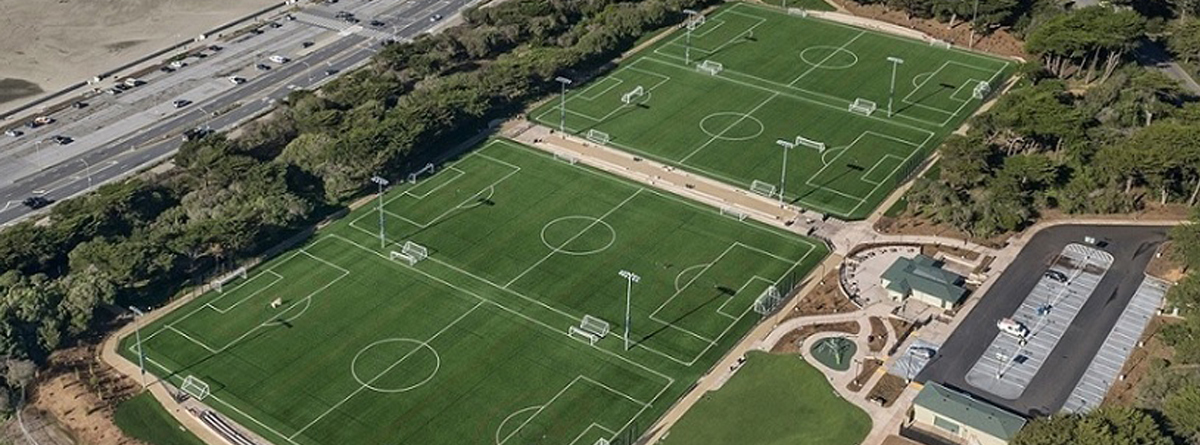
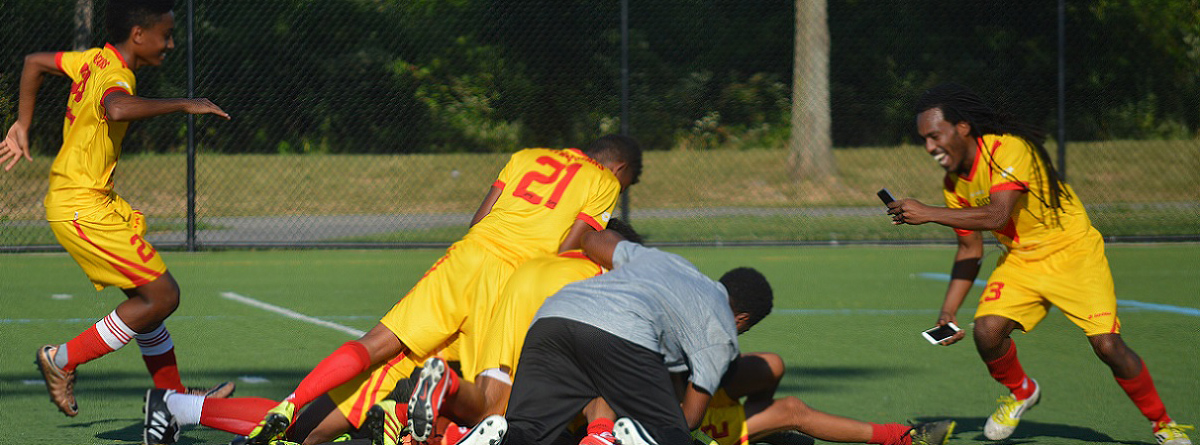
Street soccer is a popular activity in Eritrea, where children and teenagers regularly play football in neighbourhood areas, school grounds, village spaces, and open community fields. These informal matches bring young people together and provide an enjoyable way to stay active while developing their football abilities with friends.
Playing on smaller and often simple playing areas helps participants improve close ball control, passing, quick movement, and teamwork. The nature of street soccer encourages creativity, confidence, and adaptability, allowing players to learn through regular games and friendly competition.
Street soccer provides an accessible way for communities across Eritrea to enjoy football without requiring large stadiums or professional facilities. It encourages physical activity, strengthens social connections, and inspires young players to continue building their interest in the sport.
Street Soccer Culture in Eritrea
Football is widely enjoyed in Eritrea, and street soccer is often where many young players begin developing their connection with the game. Matches organised by friends, schools, and local communities create opportunities for players of different ages and abilities to participate.
Skills Developed Through Street Soccer
Street soccer helps players improve dribbling, first touch, passing accuracy, agility, balance, and awareness. The quick pace of the game also develops communication, confidence, and the ability to make fast decisions in challenging situations.
Street Soccer and Community Development
Street soccer brings communities together through football while encouraging active lifestyles among young people. It also provides aspiring players with valuable experience before progressing to school teams, local football clubs, or organised youth football programmes.
The Eritrea in the DMV Metro

- Eritrean Cultural & Civic Center (ECCC): Located at 2154 24th Place NE, Washington, DC, this center is the vital heartbeat of the DMV diaspora. It regularly hosts youth educational programs, community meetings, and milestone celebrations. It also features the Massawa Event Center and the 91 Restaurant & Bar.
- U Street NW Corridor: Historically a central point for D.C.'s East African émigré culture, the U Street area features multiple Eritrean-owned bars, restaurants, and lounges (such as Tipsy Lounge) where major milestones like Independence Day are celebrated.
- Suburban Enclaves: Due to shifting regional demographics, a significant portion of the community resides and operates businesses in the immediate suburbs, specifically Silver Spring and Wheaton in Maryland, and Alexandria and Springfield in Virginia.
- Eritrean Diaspora Network (EDN): A prominent grassroots organization in the DMV that mobilizes the community for professional networking, civic engagement, and fundraising initiatives, including annual student scholarship programs.
- Embassy of the State of Eritrea: Located at 1708 New Hampshire Ave NW, Washington, DC, the embassy coordinates formal consular services and hosts periodic public seminars for the local diaspora.
Significance
Eritrean immigration to the United States has generally reflected colonial rule, the struggle for independence, political repression, regional warfare, compulsory national service, refugee displacement, education, employment, and family reunification.
Eritrean migration has historically focused on Sudan, Ethiopia, the Middle East, and Europe rather than directly on the United States. Movement increased during Eritrea’s prolonged struggle for independence from Ethiopia, when warfare and insecurity displaced hundreds of thousands of residents. Early arrivals in America primarily included students, diplomats, academics, religious workers, professionals, political exiles, and refugees. Immigration expanded after American reforms removed restrictive national-origin quotas and humanitarian programmes provided protection for people displaced by conflict. Eritrean immigrants established churches, mosques, businesses, cultural associations, and family networks while preserving Tigrinya, Tigre, Arabic, food, music, religious traditions, and close connections with relatives abroad.
Eritrean Migration Before Independence
Before independence, migration was shaped by Italian colonial rule, British administration, federation with Ethiopia, annexation, and armed conflict. Eritrea became an Italian colony during the late nineteenth century and came under British administration after Italy’s defeat in World War II. In 1952, the United Nations arranged for Eritrea to become an autonomous territory federated with Ethiopia. Ethiopia ended the federation and annexed Eritrea in 1962, while an independence movement conducted a political and military struggle that lasted almost thirty years. Warfare, military recruitment, economic disruption, and political persecution forced many Eritreans into Sudan and other neighbouring countries. Direct settlement in the United States remained comparatively limited, although students, professionals, religious figures, and political exiles gradually developed migration networks.
Late-Twentieth- and Early-Twenty-First-Century Immigration
Eritrean migration continued after the independence struggle ended in 1991 and the country achieved internationally recognised independence in 1993. The United States recognised Eritrea in April 1993 and established diplomatic relations that June. Although many refugees initially returned home, the 1998–2000 border war with Ethiopia produced renewed displacement. Later emigration was influenced by economic hardship, political restrictions, detention, and lengthy national-service obligations. Eritreans reached the United States through refugee resettlement, asylum, university education, professional employment, family sponsorship, and the Diversity Visa programme. UNHCR also arranged the American resettlement of vulnerable Eritrean groups, including Kunama refugees living in Ethiopia. Community and religious organisations helped newcomers obtain housing, employment, education, healthcare, and language support while maintaining Eritrean cultural identity.