Sign In







 Facebook
 X-Twitter
 Instagram
 Linkedin
 Youtube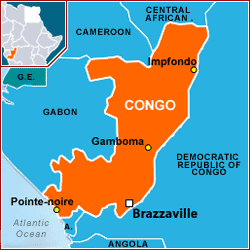
More Information
More Information
Street Soccer in Congo
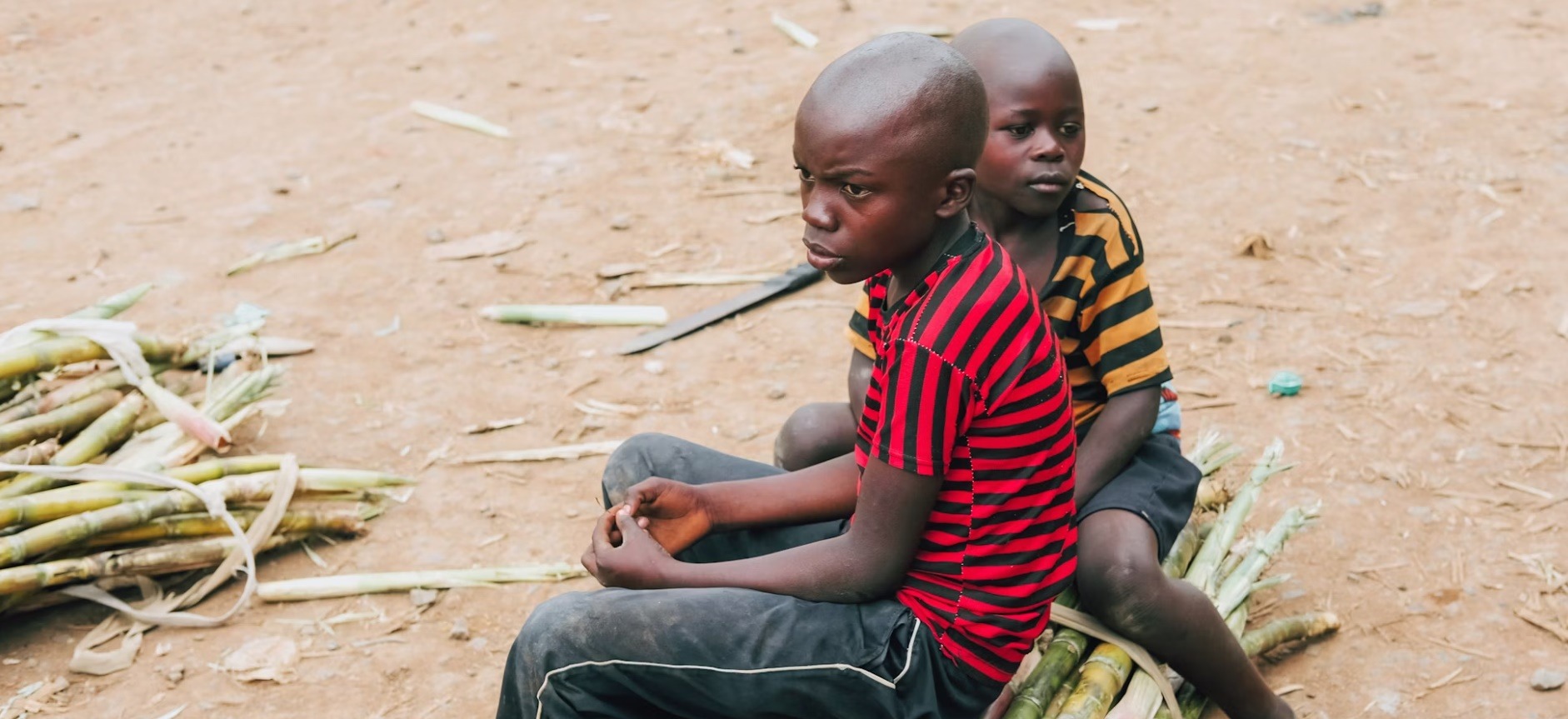
Street soccer is widely played in Congo, where children and teenagers regularly gather in neighbourhoods, school grounds, village open spaces, and community fields for informal football matches. These friendly games are a popular part of daily life, giving young players an enjoyable way to stay active while improving their football skills.
Playing on smaller and often improvised pitches helps participants develop close ball control, accurate passing, quick footwork, and smart decision-making. The fast pace of street soccer encourages creativity, teamwork, and confidence, allowing players to strengthen their technical abilities through regular play.
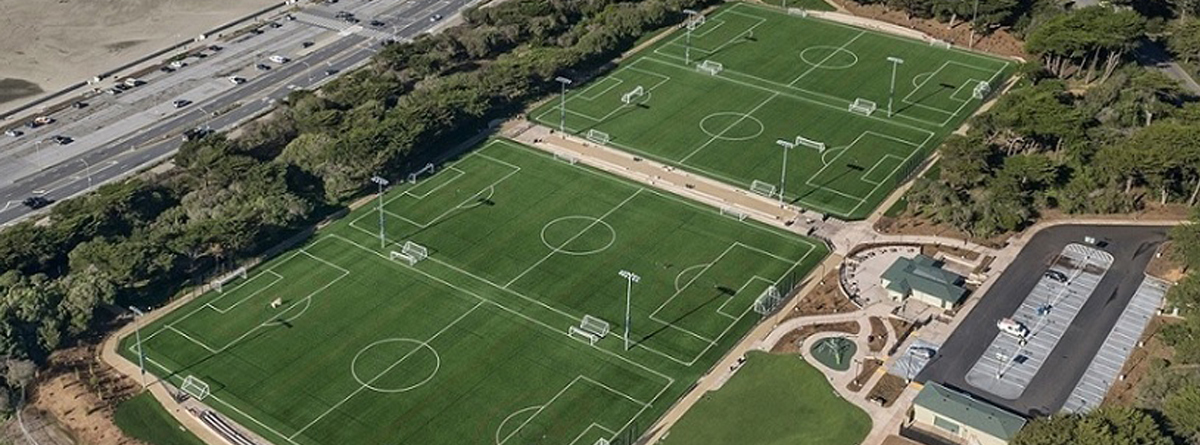
Street soccer provides an affordable and accessible way for communities across Congo to enjoy football without requiring professional facilities. It promotes healthy lifestyles, strengthens friendships, and inspires many young people to continue their passion for the sport.
Street Soccer Culture in Congo
Football is one of the most loved sports in Congo, and street soccer is often where many children first develop their interest in the game. Informal matches organised by neighbours, schools, and local communities create an inclusive environment where players of all ages and skill levels can participate.
Skills Developed Through Street Soccer
Street soccer helps players improve dribbling, first touch, passing accuracy, agility, balance, ball control, and awareness. Regular play also develops communication, confidence, and the ability to make quick decisions under pressure.
Street Soccer and Community Development
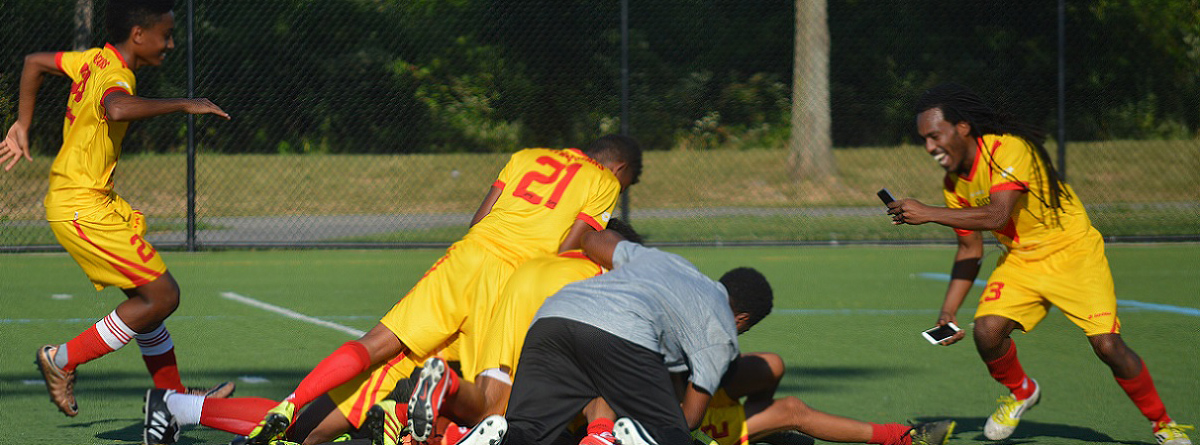
Street soccer brings communities together through a shared love of football while encouraging active participation and healthy lifestyles. It also provides aspiring players with a strong foundation before progressing to school teams, local football clubs, or organised youth football programmes.
The Congo in the DMV Metro

- Geographic Clusters: While families are spread throughout the metropolitan area, heavy concentrations reside in Silver Spring and Upper Marlboro (Maryland) as well as Alexandria (Virginia).
- Cultural Anchors: The community connects through distinct language networks (primarily French and Lingala) and faith-based community centers.
- Community Organizations: Group networks like The Congo Social actively host professional mixers, networking events, and the African Diaspora Business Expo to empower local business owners.
- Anti-Violence Mobilizations: In early 2026, members of the diaspora took to the streets of Washington, D.C., marching to protect vulnerable groups (such as the Banyamulenge community) from ongoing militia conflicts in the eastern Democratic Republic of the Congo (DRC).
- Democratic Reforms Advocacy: Local groups have actively staged demonstrations in Washington to voice strong opinions regarding proposed constitutional alterations and term limit discussions surrounding DRC President Félix Tshisekedi.
- Awareness Campaigns: Activists continuously engage with federal lawmakers to push back against the exploitation of critical regional resources (often termed "blood minerals") that fund conflict overseas.
- Ndombolo and Soukous Dance: The DMV area features a thriving African dance scene, with local studios hosting popular Congolese Ndombolo dance takeovers that blend traditional rhythms with modern choreography.
- Independence Day Celebrations: Every year on June 30th, the diaspora partners with local officials—including the Washington, D.C. Secretary of State—to celebrate Congolese independence through food, music, and cultural showcases.
- Official Representation: The Embassy of the DRC in Washington, D.C. serves as the primary diplomatic and consular bridge, providing vital passport, visa, and investment resources for the local diaspora population.
Significance
Congolese migration from the Republic of the Congo has generally reflected French colonial rule, regional labour movement, political instability, civil conflict, education, professional employment, asylum, and family reunification.
Migration from the Republic of the Congo—also known as Congo-Brazzaville—has historically focused on France and neighbouring African countries rather than the United States. Congolese residents commonly travelled to Gabon, the Democratic Republic of the Congo, Cameroon, South Africa, and France for employment, commerce, education, healthcare, and family connections. Overseas migration increased after independence as political unrest, economic difficulties, and the civil conflicts of the 1990s displaced communities. Direct migration to the United States remained comparatively small and primarily involved students, diplomats, academics, healthcare professionals, skilled workers, asylum seekers, and relatives joining established family members. Congolese communities abroad maintained close connections through remittances, cultural organisations, churches, and family networks.
Congolese Migration Before Independence
Before independence, the territory formed part of French Equatorial Africa, and migration was influenced by colonial administration, forced labour, military recruitment, regional commerce, education, and transportation projects. Residents travelled throughout Central Africa as agricultural labourers, traders, soldiers, domestic workers, sailors, students, and government employees. Political, educational, and commercial relationships operated mainly through France and other French-administered African territories, making direct migration to the United States uncommon. During World War II, Brazzaville became the symbolic capital of Free France between 1940 and 1943, strengthening the territory’s administrative importance within the French Empire. The Republic of the Congo achieved independence from France on August 15, 1960, and the United States recognised the new country that same day.
Late-Twentieth- and Early-Twenty-First-Century Migration
Migration increased after independence as political struggles, economic problems, military rule, and armed conflicts disrupted employment and community life. Fighting during the 1990s caused substantial internal displacement and forced many Congolese to seek safety in the Democratic Republic of the Congo, Gabon, France, and other destinations. Students, doctors, academics, businesspeople, diplomats, religious workers, and families also travelled to the United States for university education, professional employment, asylum, and family reunification. At the same time, the Republic of the Congo became a destination for refugees from neighbouring countries, particularly the Central African Republic, the Democratic Republic of the Congo, and Rwanda. Congolese organisations abroad helped migrants preserve French, Lingala, Kituba, food, music, religious traditions, and family relationships while supporting relatives and community projects at home.