Sign In








 Facebook
 X-Twitter
 Instagram
 Linkedin
 Youtube
More Information
More Information
Street Soccer in Armenia
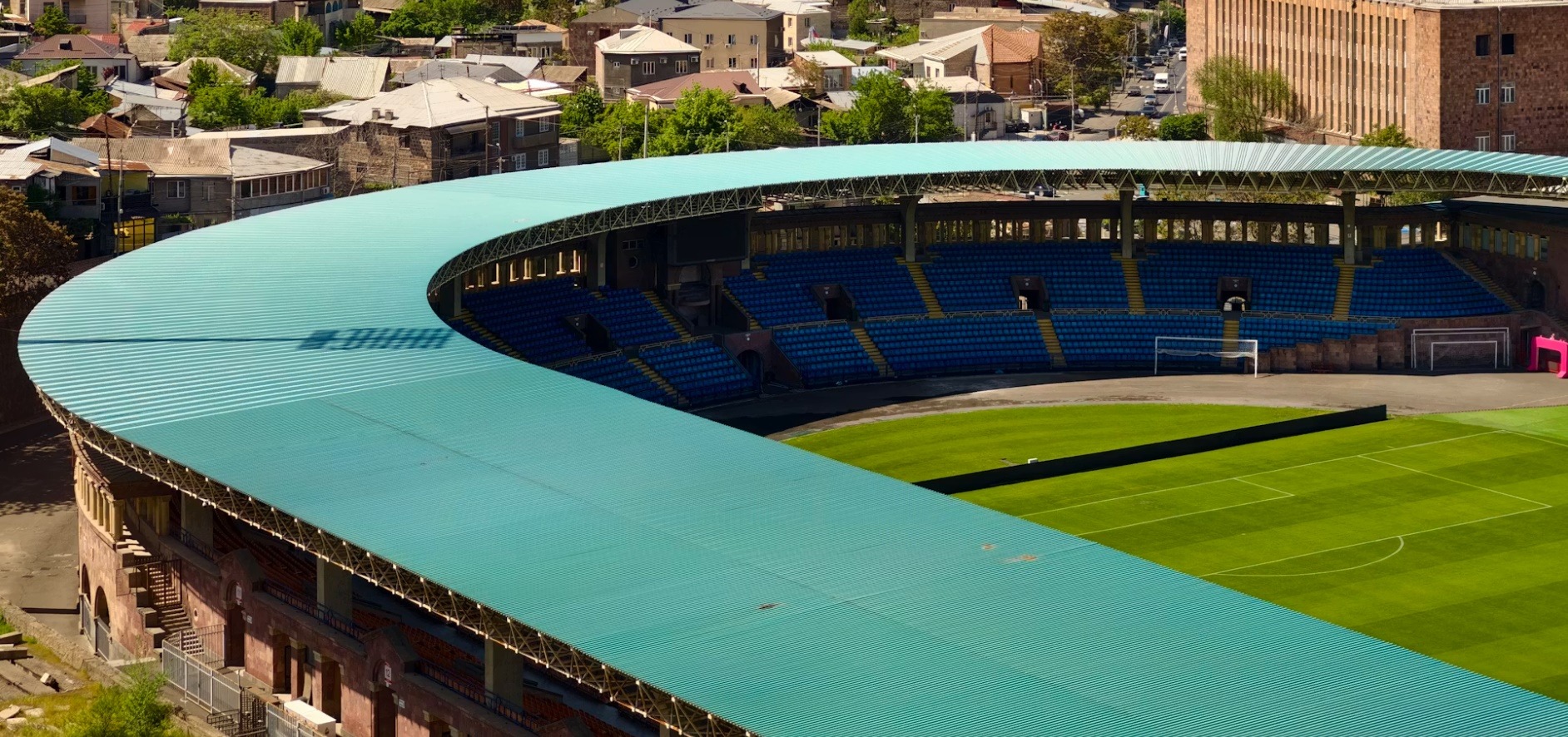
Street soccer is a popular recreational activity in Armenia, where children and teenagers often play informal football matches in neighbourhood courtyards, school playgrounds, public parks, and village open spaces. Whether in busy cities like Yerevan or smaller rural communities, these friendly games provide an enjoyable way for young people to stay active and develop their football abilities.
Playing on compact pitches encourages players to improve close ball control, accurate passing, quick reactions, and teamwork. The informal setting allows participants to experiment with different playing styles while building confidence through regular competition with friends.
Street soccer continues to be an accessible form of football that requires minimal equipment, making it easy for communities across Armenia to enjoy the sport and nurture young talent.
Street Soccer Culture in Armenia
Football has a growing presence in Armenia, and street soccer is often where young players first develop their passion for the game. Informal matches are regularly organised by neighbours, classmates, and local communities, creating a welcoming environment that encourages participation and friendly competition.
Skills Developed Through Street Soccer
Regular street soccer helps players strengthen dribbling, first touch, passing accuracy, agility, balance, spatial awareness, and decision-making. Playing in smaller spaces also improves creativity and the ability to perform under pressure.
Street Soccer and Community Development
Street soccer helps bring communities together by encouraging teamwork, friendship, and active lifestyles among young people. It also provides aspiring footballers with valuable experience before progressing to school teams, local football clubs, and organised youth football programmes.
The Armenian in the DMV Metro

- Churches: Major religious anchors include St. Mary Armenian Apostolic Churchin Washington, D.C., and Soorp Khatch Armenian Apostolic Church in Bethesda, Maryland. They serve as primary community gathering spaces.
- Advocacy & Politics: Because of its proximity to Capitol Hill, the DMV is the base for powerful national advocacy entities like the Armenian National Committee of America (ANCA) and the Armenian Assembly of America, alongside local political groups like ARF DC Sebouh.
- Diplomacy: The Embassy of Armenia in Washington, DC serves as an official connection point between homeland governance and local diasporans.
- Social Hubs: Local updates, cultural events, and lectures are shared through platforms like the Armenian DC Hub and the @armenian.dc community network.
- Professional Groups: Organizations like the Armenian Business Network DMV Chapter actively foster local professional collaborations.
- Youth Meetups: Informal groups like DC Young Armenians and the Armenian Network of America (Washington Region) organize frequent social gatherings and happy hours.
Significance
Armenian immigration to the United States has generally reflected religious and political persecution, the Armenian Genocide, economic hardship, Soviet rule, regional conflict, education, employment opportunities, and family reunification.
Armenian migration to the United States began on a small scale during the seventeenth century but increased considerably during the late nineteenth and early twentieth centuries. Massacres and political repression in the Ottoman Empire encouraged many Armenians to seek safety abroad, while the deportations and mass killings of 1915–1916 produced a much larger refugee movement. Survivors and their families established communities in Massachusetts, New York, California, New Jersey, Michigan, and other states. Later immigration included Armenians from Soviet Armenia and established diaspora communities in Lebanon, Syria, Iran, Turkey, and other countries. Migration increased again after Armenia became independent in 1991, when conflict and economic difficulties encouraged additional families to relocate.
Armenian Migration Before the Genocide
Armenian migration to the United States remained limited until the final decades of the nineteenth century. Early arrivals included merchants, students, religious workers, artisans, labourers, and professionals who travelled for education, trade, employment, or protection from political discrimination. Immigration began in greater numbers after the Hamidian massacres of 1894–1896 and continuing repression within the Ottoman Empire. Many Armenians settled in industrial centres such as Worcester, Boston, New York, Providence, and Fresno, where they found work in factories, agriculture, commerce, and skilled trades. Armenian immigrants established churches, newspapers, cultural associations, charitable societies, and family networks that preserved their language, Christian faith, traditions, and connections with relatives living in their homeland.
Twentieth-Century Immigration
Armenian immigration increased dramatically during and after World War I, when Ottoman authorities carried out mass deportations and killings against the Armenian population. Survivors fled to the United States and other countries, often after temporarily living in the Middle East, Europe, or the Russian-controlled Caucasus. American immigration restrictions introduced during the 1920s later reduced new arrivals, but refugees and displaced Armenians continued to enter through humanitarian and family-based pathways. Additional migration followed political instability in Lebanon, Iran, Syria, and the Soviet Union. After Armenia gained independence in 1991, economic decline, unemployment, and regional conflict encouraged another wave of migration. Established Armenian American communities helped newcomers obtain housing, employment, education, and support while preserving Armenian food, music, religion, language, and cultural traditions.