Sign In







 Facebook
 X-Twitter
 Instagram
 Linkedin
 Youtube
More Information
More Information
Street Soccer in Morocco
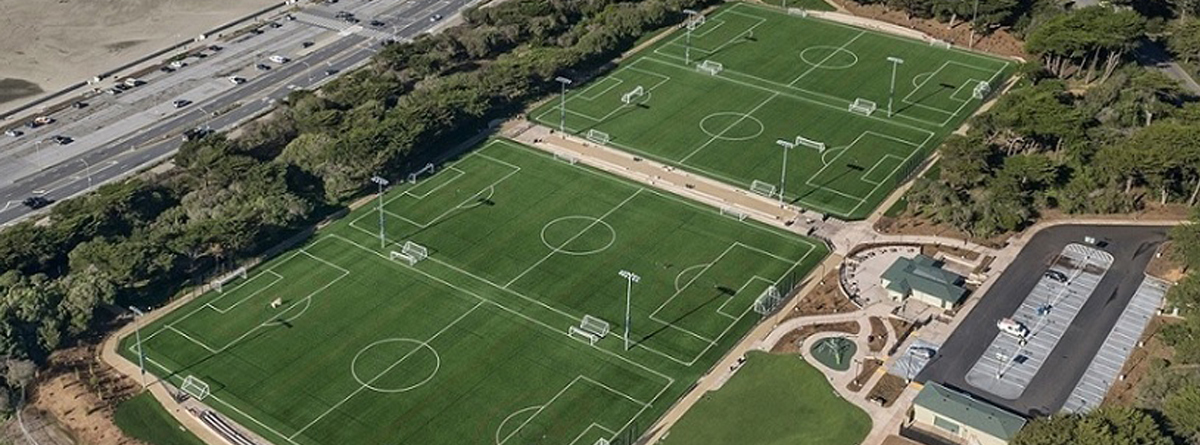
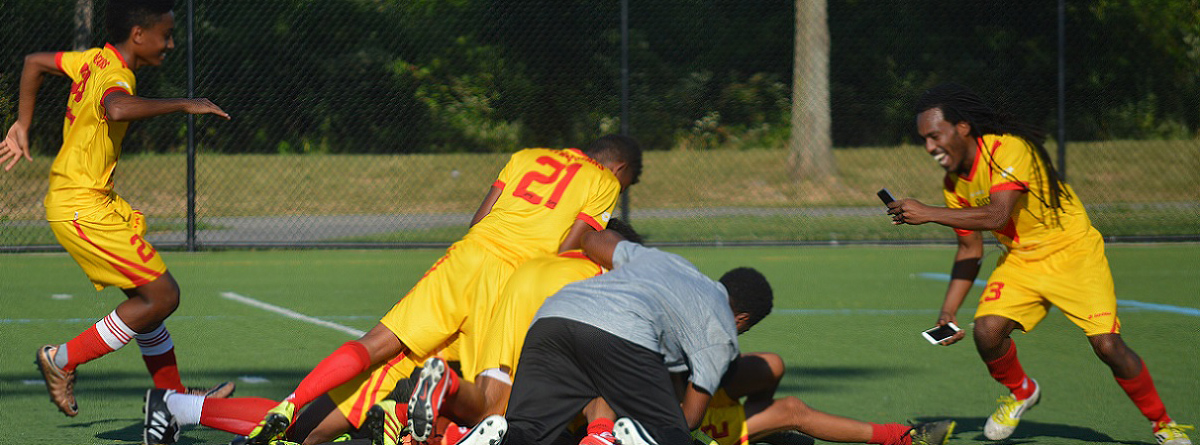
Street soccer is a deeply enjoyed activity in Morocco, where children and teenagers regularly gather in neighbourhood streets, school playgrounds, public squares, local courts, and community fields to play informal football matches. These games are an important part of everyday life, giving young players a chance to enjoy football, build friendships, and develop their skills in a relaxed environment.
The fast and technical style of street soccer encourages close ball control, creative dribbling, quick passing, and intelligent movement. Playing in smaller spaces helps players improve their technique, confidence, and decision-making while learning to adapt to different opponents and match situations.
Street soccer provides an affordable and accessible way for communities across Morocco to enjoy football without requiring professional facilities. It promotes healthy lifestyles, strengthens social connections, and inspires many young players to continue their football journey through schools, clubs, academies, and local competitions.
Street Soccer Culture in Morocco
Football is one of the most popular sports in Morocco, and street soccer is often where many children first discover their passion for the game. Informal matches organised by friends, schools, and neighbourhood communities create a lively atmosphere where players of different ages and abilities can participate.
Skills Developed Through Street Soccer
Street soccer helps players improve dribbling, first touch, passing accuracy, agility, balance, ball control, and tactical awareness. Regular games also develop creativity, communication, confidence, and the ability to make quick decisions in tight playing spaces.
Street Soccer and Community Development
Street soccer plays an important role in bringing communities together through football. It encourages teamwork, positive youth engagement, and active lifestyles while providing aspiring players with valuable experience before progressing to school teams, local football clubs, academies, or organised youth football programmes.
The MOROCCO in the DMV Metro

The Moroccan diaspora in the DMV (District of Columbia, Maryland, and Virginia) is a prosperous, culturally vibrant, and highly connected North African community. Unlike older Moroccan-American populations in parts of New York and the Northeast, the DMV community is strongly influenced by international development, diplomacy, technology, federal contracting, academia, hospitality, and professional services. Moroccan families and professionals are dispersed across the metropolitan region, with notable concentrations in Northern Virginia and Montgomery County, Maryland, rather than forming a single traditional ethnic enclave.
Cultural Hubs & Community Networks
-
Embassy Hub: The Embassy of the Kingdom of Morocco in Washington, D.C. serves as the community's principal diplomatic and cultural anchor. It provides consular services while supporting bilateral relations, trade, investment, cultural diplomacy, and national celebrations such as the Feast of the Throne.
-
Moroccan-American Professional Networks: Moroccan-American organizations and professional associations provide an important bridge between entrepreneurs, technology professionals, academics, business owners, and established Moroccan families. Networking events, entrepreneurship programs, and cultural initiatives help strengthen connections across the DMV.
-
Community & Digital Networks: Local Moroccan social groups and online communities provide practical support for newcomers, including housing information, employment leads, family connections, community announcements, and assistance during major life events.
Key Cultural Gatherings
-
Moroccan Cultural Festivals: Regional Moroccan festivals provide some of the community's largest public gatherings. Events can feature Gnawa and Andalusian music, Moroccan fashion, traditional crafts, henna, dance performances, and regional cuisine, bringing together Moroccan families from throughout the Mid-Atlantic.
-
Passport DC: The annual Passport DC embassy-tour program provides an important opportunity for the Moroccan community to showcase its heritage to the wider Washington public. Moroccan cultural programming commonly highlights mint tea, traditional pastries, music, handicrafts, textiles, architecture, and Morocco's diverse regional traditions.
-
National Celebrations: Moroccan national occasions provide additional opportunities for embassy receptions, community dinners, cultural performances, and professional networking.
Culinary & Social Anchors
Moroccan cuisine provides one of the strongest cultural connections for the DMV community.
-
Moroccan Restaurants: Restaurants specializing in Moroccan and broader Maghrebi cuisine provide informal gathering spaces where families and professionals can enjoy familiar dishes and socialize.
-
Traditional Cuisine: Community celebrations and family gatherings commonly feature foods such as couscous, tagine, pastilla, harira, msemen, Moroccan salads, and mint tea.
-
International Markets: Moroccan families rely on Mediterranean, North African, and Middle Eastern grocery stores throughout Northern Virginia and suburban Maryland to source spices, preserved ingredients, olives, dates, pastries, tea, and other products used in traditional cooking.
Professional & Social Networks
The Moroccan community's strong professional orientation is reinforced by Washington's international institutional ecosystem.
-
International Development: Moroccan professionals working with organizations such as the World Bank, IMF, development agencies, universities, and international NGOs create strong professional links between Morocco and the Washington region.
-
Technology & Business: Northern Virginia's technology and federal-contractor economy provides additional opportunities for Moroccan engineers, cybersecurity specialists, consultants, and entrepreneurs.
-
Francophone & Maghrebi Connections: Because French remains an important language in Moroccan professional and cultural life, local Moroccans also participate in the DMV's broader Francophone and North African networks, connecting with Algerian, Tunisian, French, and other French-speaking communities.
Overall, the Moroccan community in the DMV is defined by professional success, international development, diplomacy, North African heritage, and strong cultural preservation. The Moroccan Embassy provides the institutional center, while professional organizations, digital community networks, Moroccan festivals, Passport DC, restaurants, international markets, and broader Francophone networks provide the social infrastructure that keeps the community connected across Washington, Northern Virginia, and Maryland.
Significance
Immigration from Morocco has generally reflected French and Spanish colonial rule, economic opportunity, educational advancement, professional employment, family reunification, political change, international business, and skilled migration.
Migration from Morocco has historically been shaped by its strategic location between Africa and Europe and its longstanding commercial and cultural connections with the Mediterranean region. Moroccans have commonly migrated to France, Spain, Belgium, the Netherlands, and other European countries for employment, education, and family reunification. Overseas migration to the United States has gradually expanded through higher education, professional employment, entrepreneurship, scientific research, and business investment. Political stability, economic modernization, and international educational exchange have further contributed to migration in recent decades. Today, Moroccan immigrants in the United States include students, physicians, engineers, entrepreneurs, academics, and skilled professionals who maintain strong cultural, linguistic, religious, and family ties with their homeland.
Moroccan Migration Before Independence
Before independence, Morocco was an independent sultanate that became divided into French and Spanish protectorates in 1912, while the city of Tangier was administered as an international zone for part of the colonial period. Migration during this era was influenced by agriculture, trade, fishing, mining, government administration, military service, religious scholarship, and regional commerce. Residents frequently travelled throughout North Africa, Europe, and the Middle East as merchants, farmers, craftsmen, students, teachers, civil servants, and members of extended families. Direct migration to the United States remained relatively limited because political, educational, and commercial connections were centred primarily on France, Spain, and neighboring Mediterranean countries. Morocco regained its independence on March 2, 1956, and the United States, which has maintained diplomatic relations with Morocco since 1787, continued its longstanding partnership with the newly independent nation.
Late-Twentieth- and Early-Twenty-First-Century Immigration
Migration increased after independence as expanding educational opportunities, economic development, globalization, and professional careers encouraged many Moroccans to seek opportunities abroad. Students, physicians, engineers, scientists, academics, entrepreneurs, information technology specialists, business professionals, and researchers increasingly travelled to the United States for university education, specialized employment, scientific research, investment, or family reunification. Family sponsorship, multinational corporations, and academic exchange programs have continued to strengthen migration in recent decades. In the United States, Moroccan immigrants often rely on family networks, mosques, cultural associations, alumni organizations, and professional groups for support with housing, employment, education, and community integration while preserving Arabic, Amazigh (Berber) languages, French, traditional cuisine, music, religious practices, cultural heritage, and close relationships with relatives in Morocco.