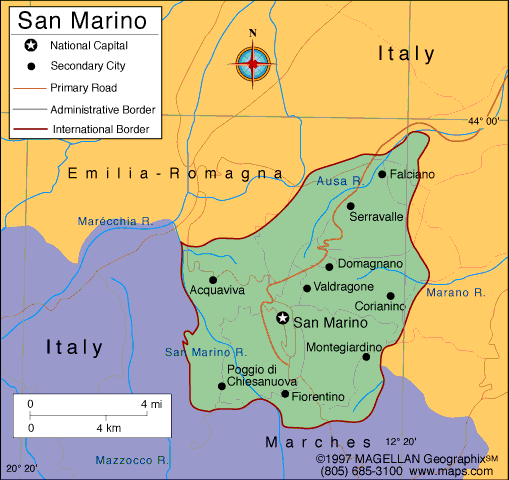
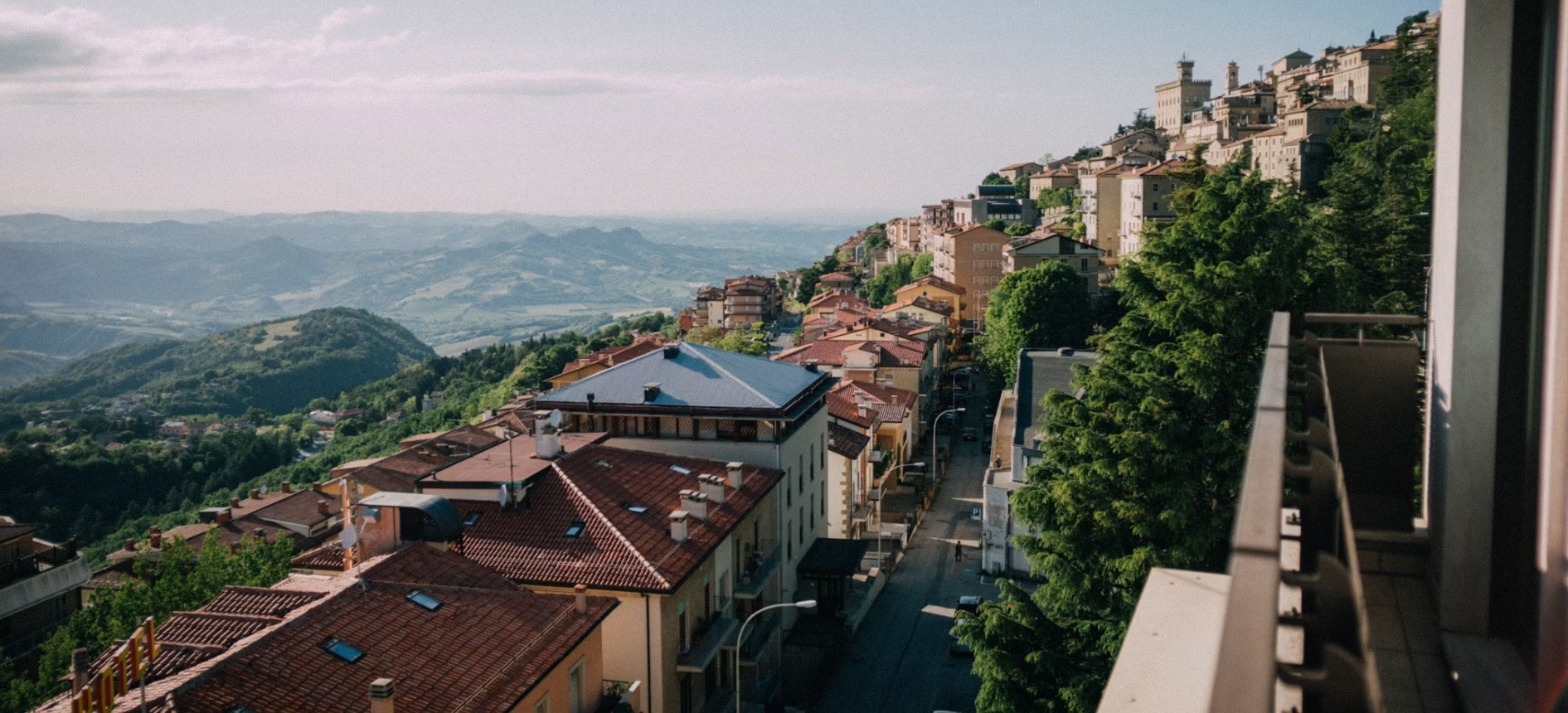
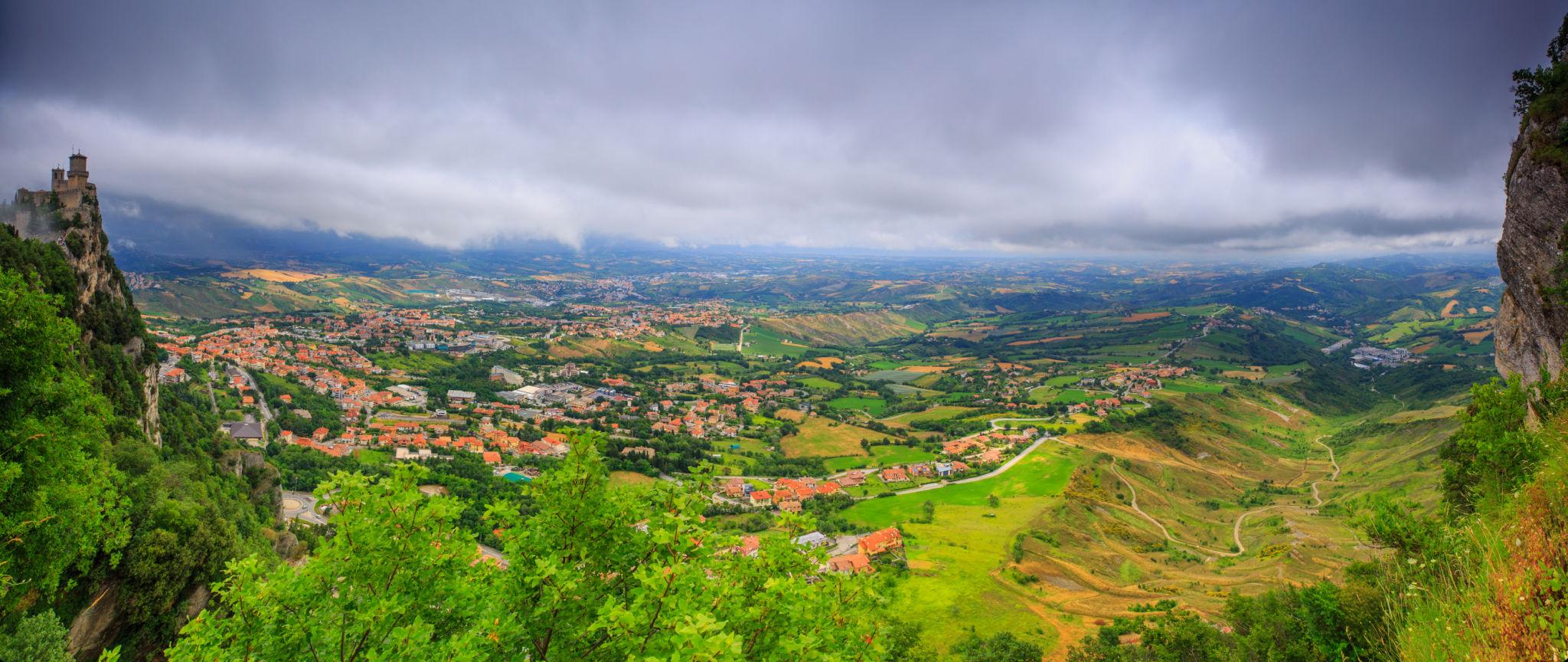
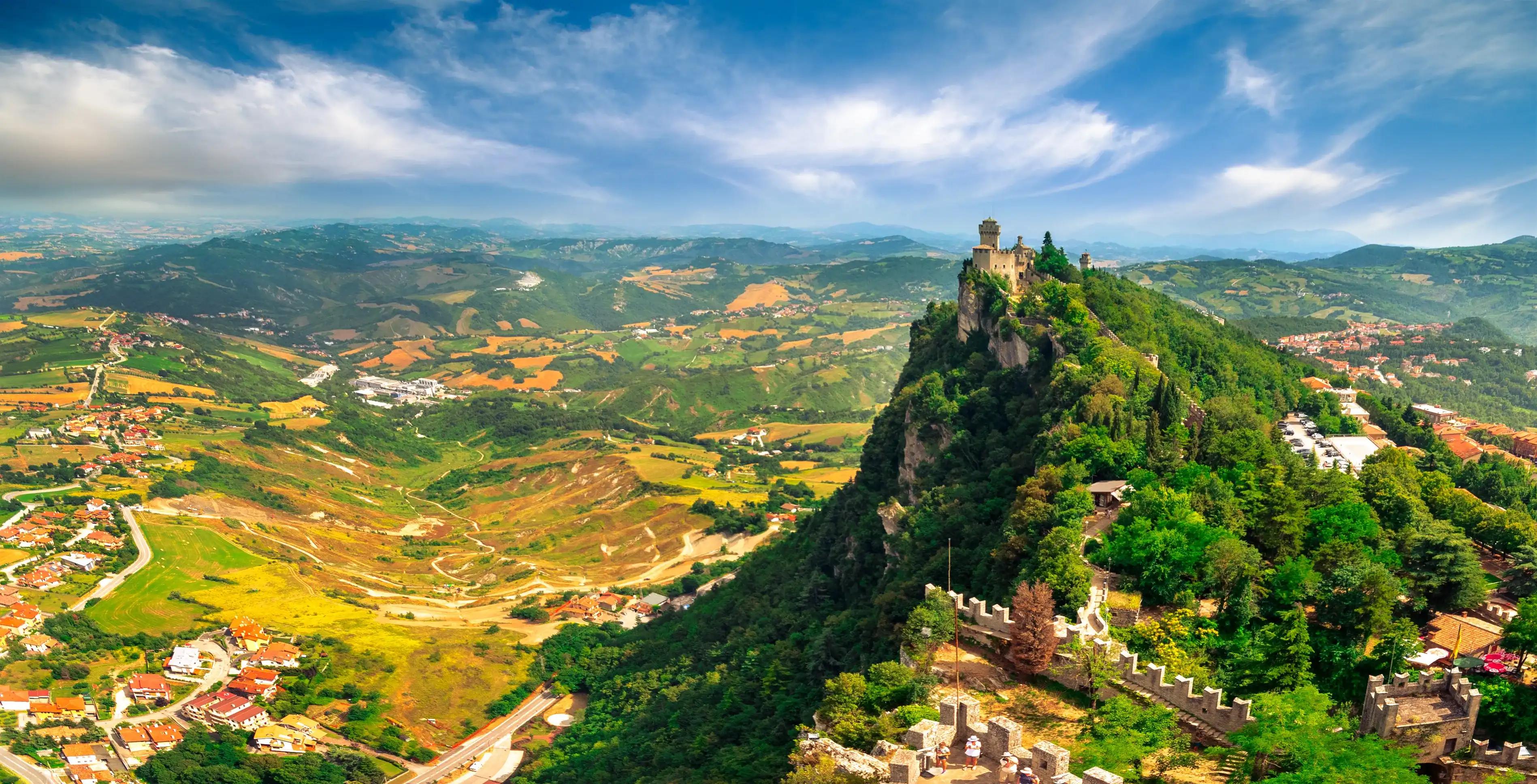
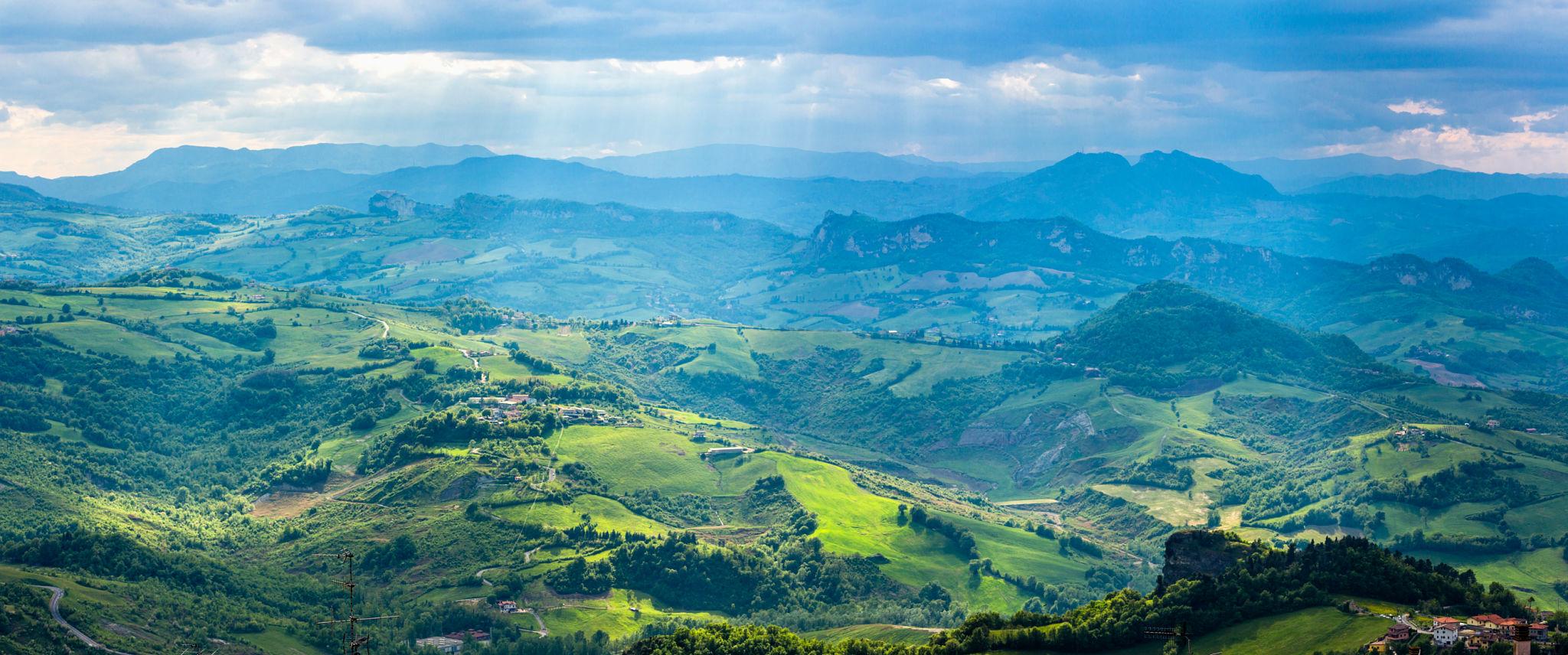
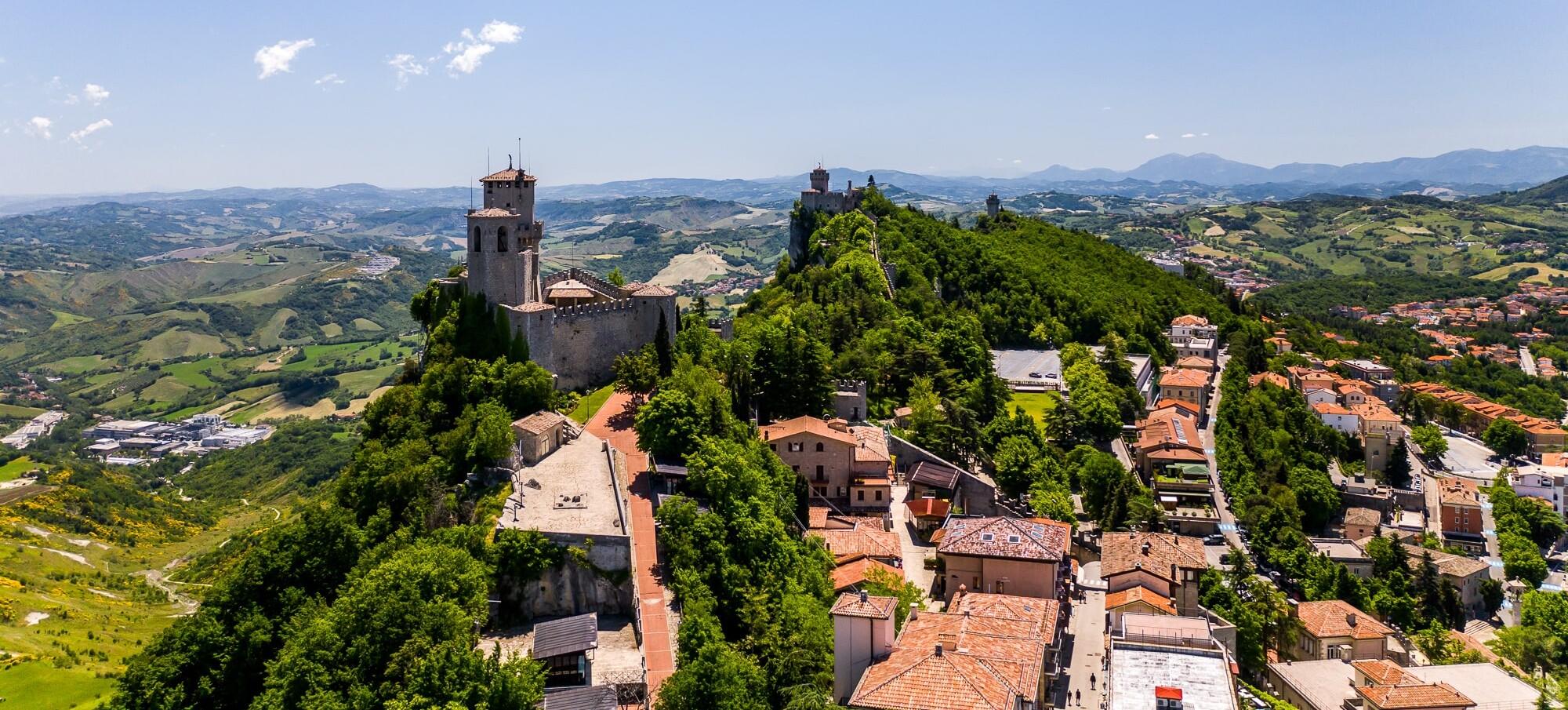
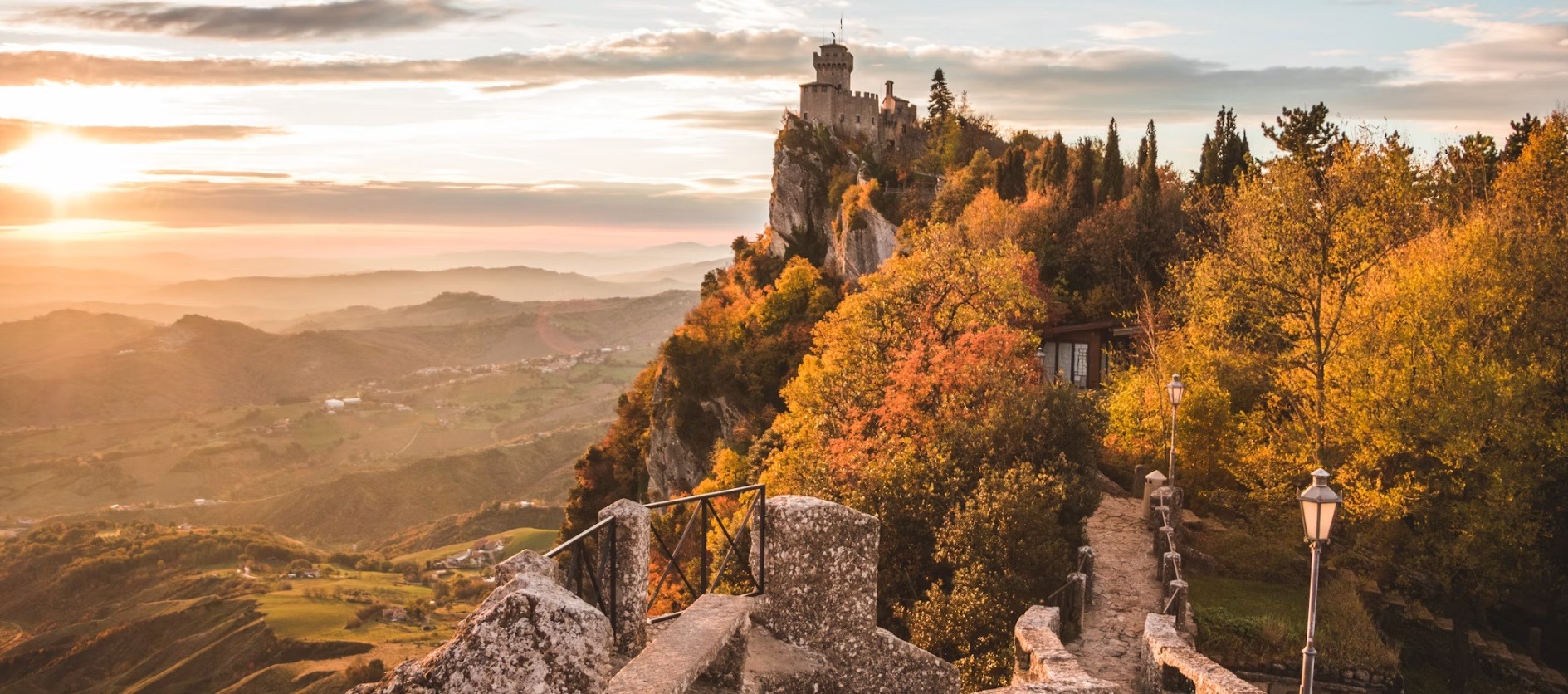
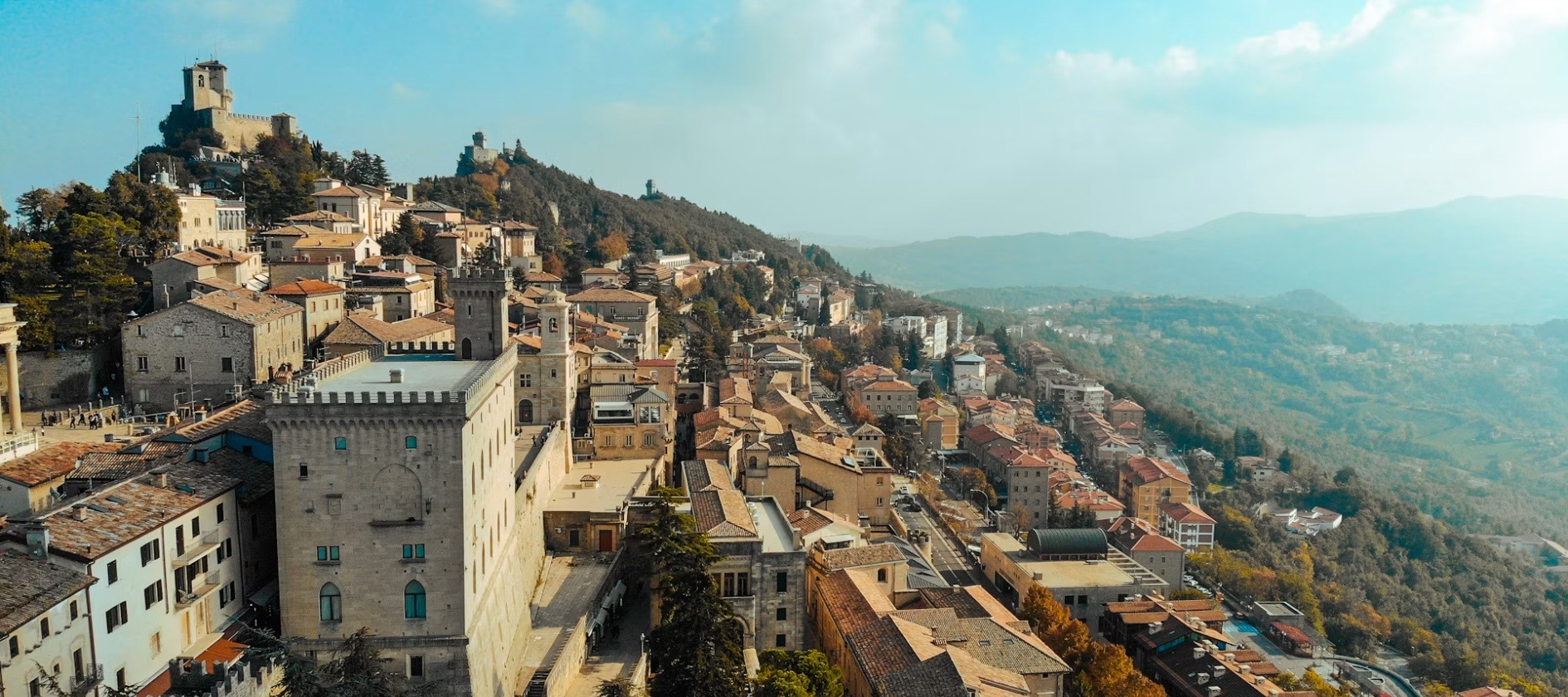
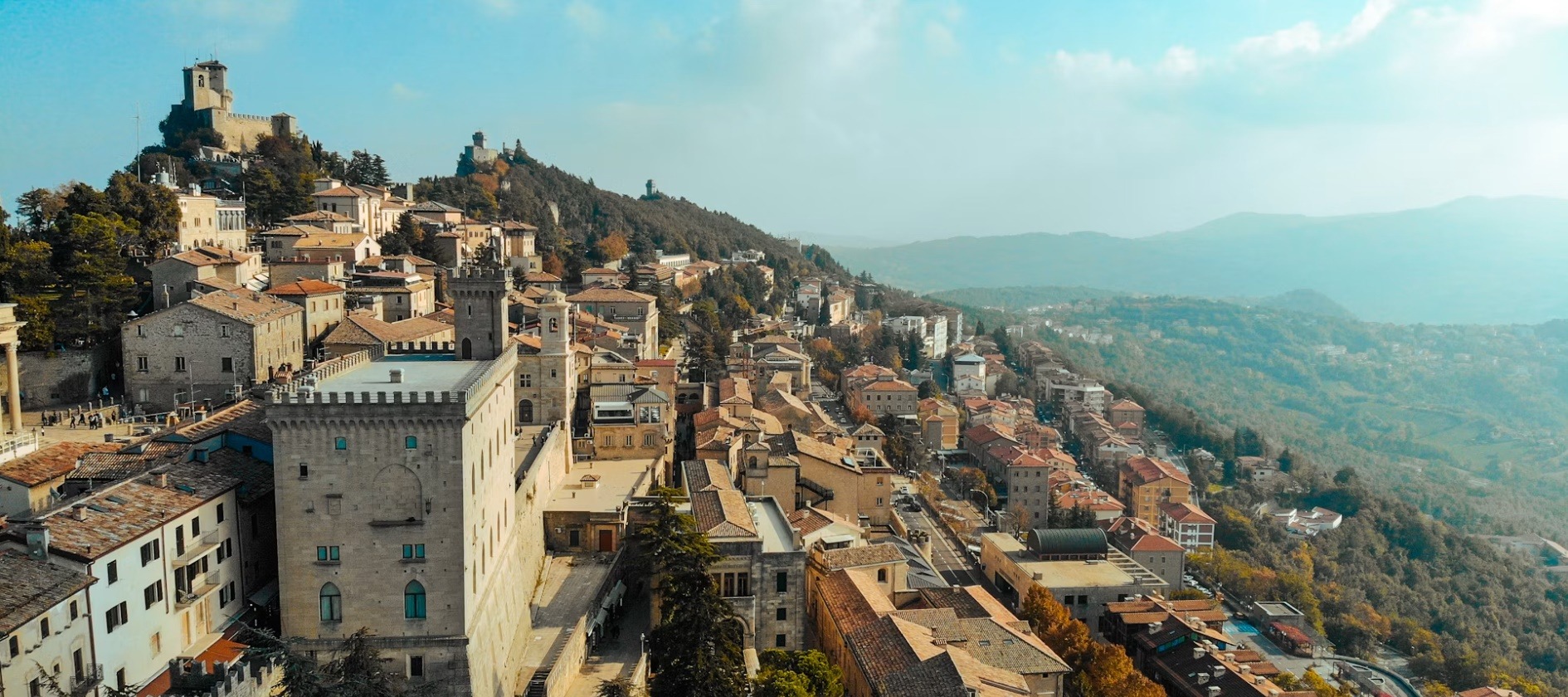
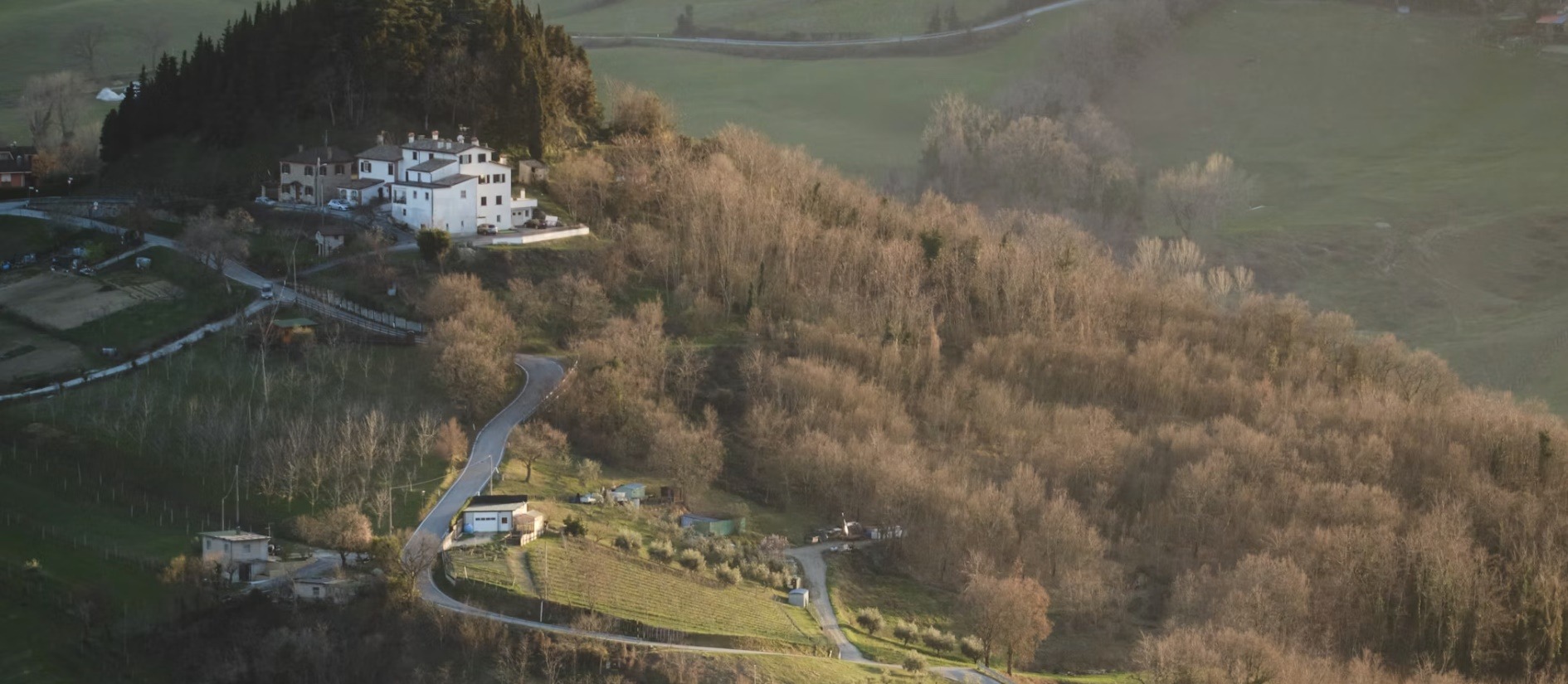
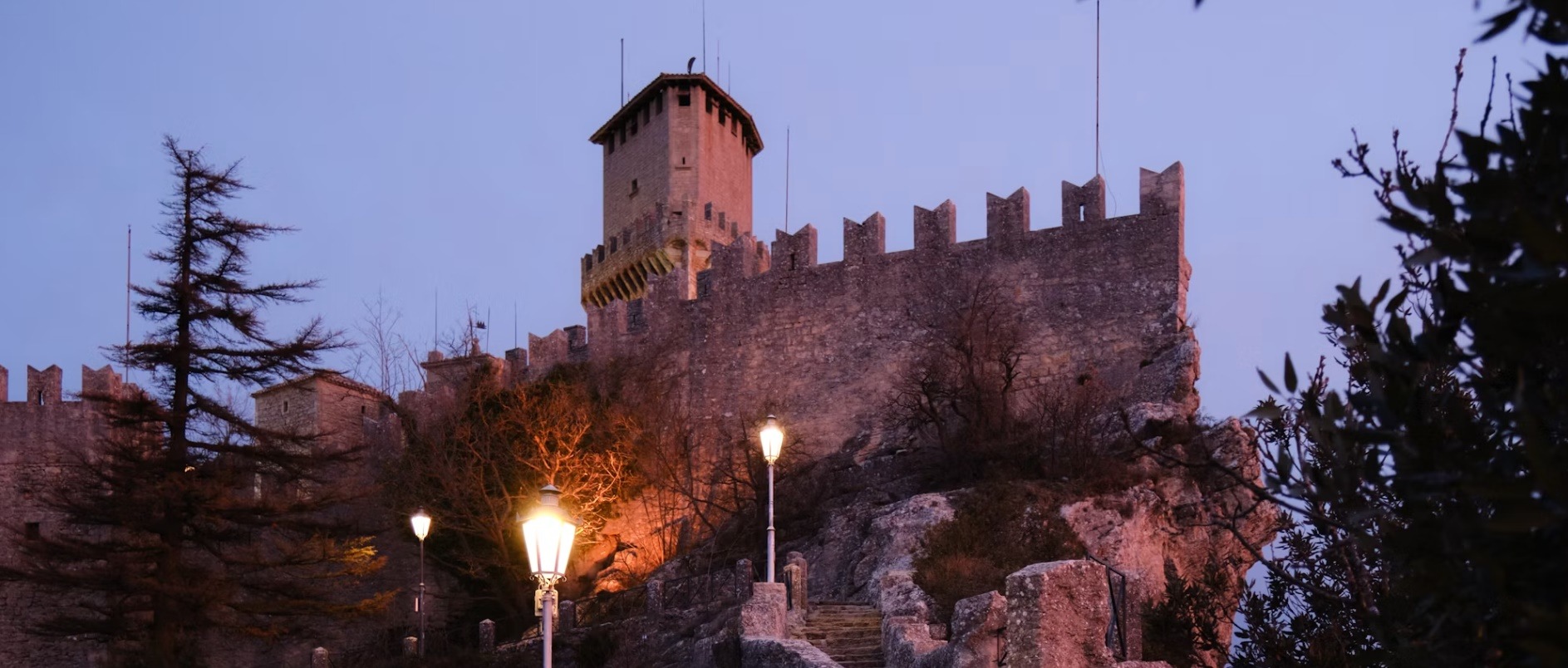
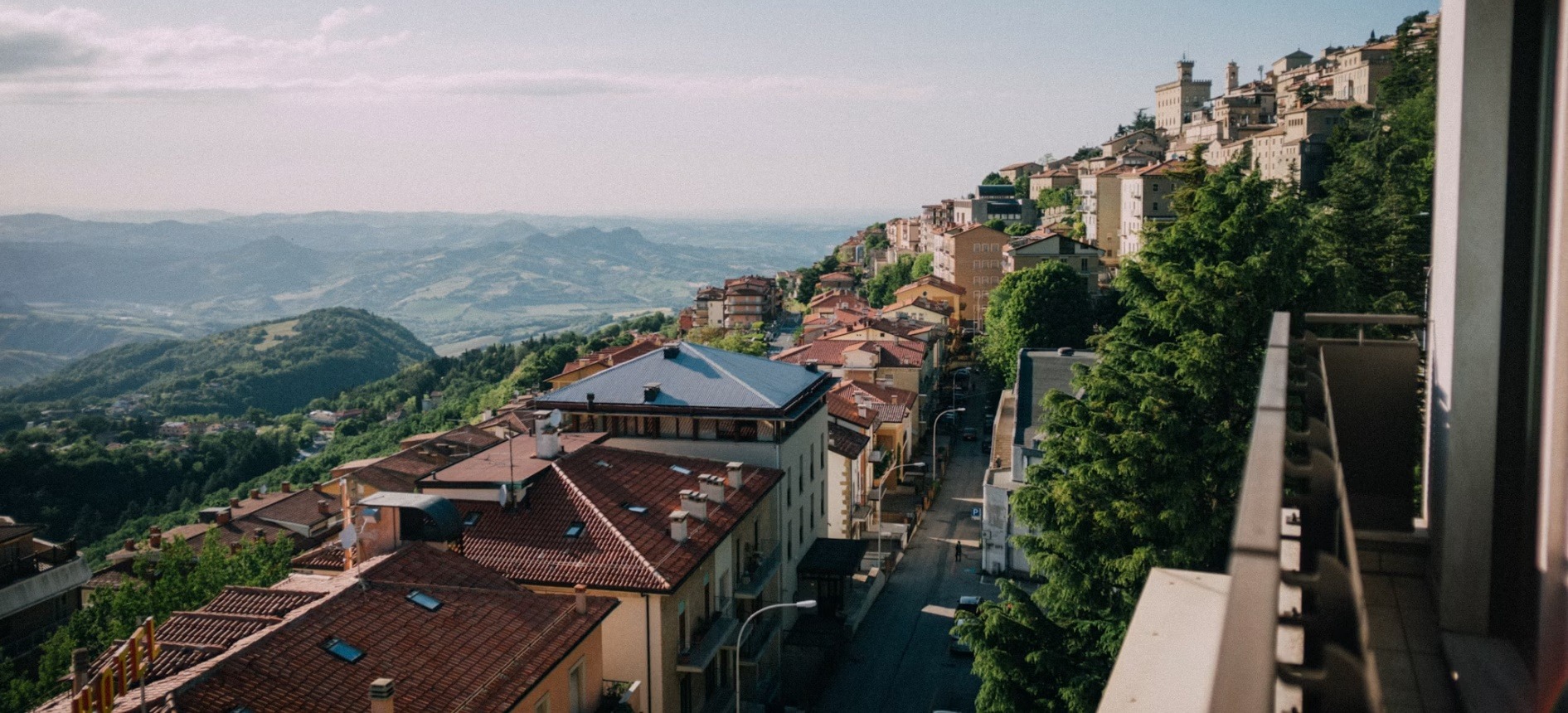
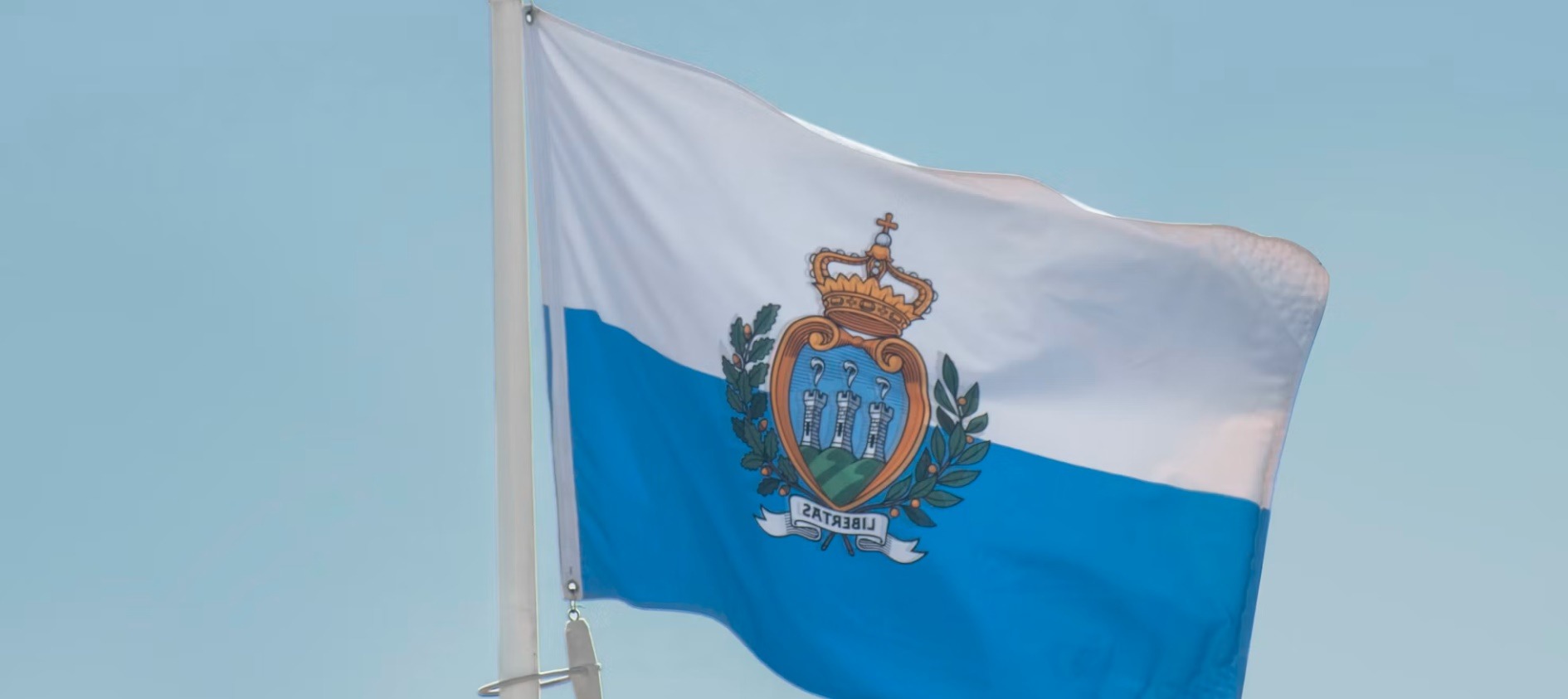
The Sammarinese diaspora in the Washington, D.C., Maryland, and Virginia (DMV) area is a very small and highly dispersed European micro-diaspora. Unlike larger immigrant communities, Sammarinese residents do not have a dedicated neighborhood, restaurant district, or community center in the DMV. The local presence is primarily connected to diplomacy, international affairs, academia, and broader Italian-American networks.
Core Community Organizations
-
Embassy of the Republic of San Marino: Located in Washington, D.C., the embassy serves as the primary diplomatic and administrative hub for Sammarinese citizens and maintains San Marino's official presence in the United States.
-
San Marino-America Association: A U.S.-based organization that helps maintain cultural and personal connections between San Marino and Sammarinese communities across America.
-
Italian Cultural Institute of Washington: Provides a broader Italian cultural network through exhibitions, lectures, language programs, and cultural events that can also serve as a connection point for Sammarinese residents.
Cultural & Social Hubs
-
Passport DC: The annual embassy open-house programming in Washington, D.C., provides one of the most visible opportunities for the public to experience San Marino's culture, history, traditions, and national identity.
-
Italian-American Community: Because of San Marino's Italian cultural and linguistic connections, Sammarinese residents can participate in broader Italian-American organizations, cultural events, and professional networks throughout the DMV.
-
International & Diplomatic Community: The Washington, D.C., diplomatic community provides an important social environment for Sammarinese diplomats, professionals, researchers, and other residents.
Community Characteristics
-
Hyper-small and dispersed: There is no concentrated Sammarinese neighborhood in the DMV.
-
Diplomatic-centered: The embassy is the primary local institutional anchor.
-
Italian cultural overlap: Italian-language and Italian-American organizations provide much of the available cultural infrastructure.
-
Professional orientation: The local population is more likely to be connected to diplomacy, international affairs, academia, or specialized professional networks than to a large immigrant business community.
 Sign In







 Facebook
 X-Twitter
 Instagram
 Linkedin
 Youtube