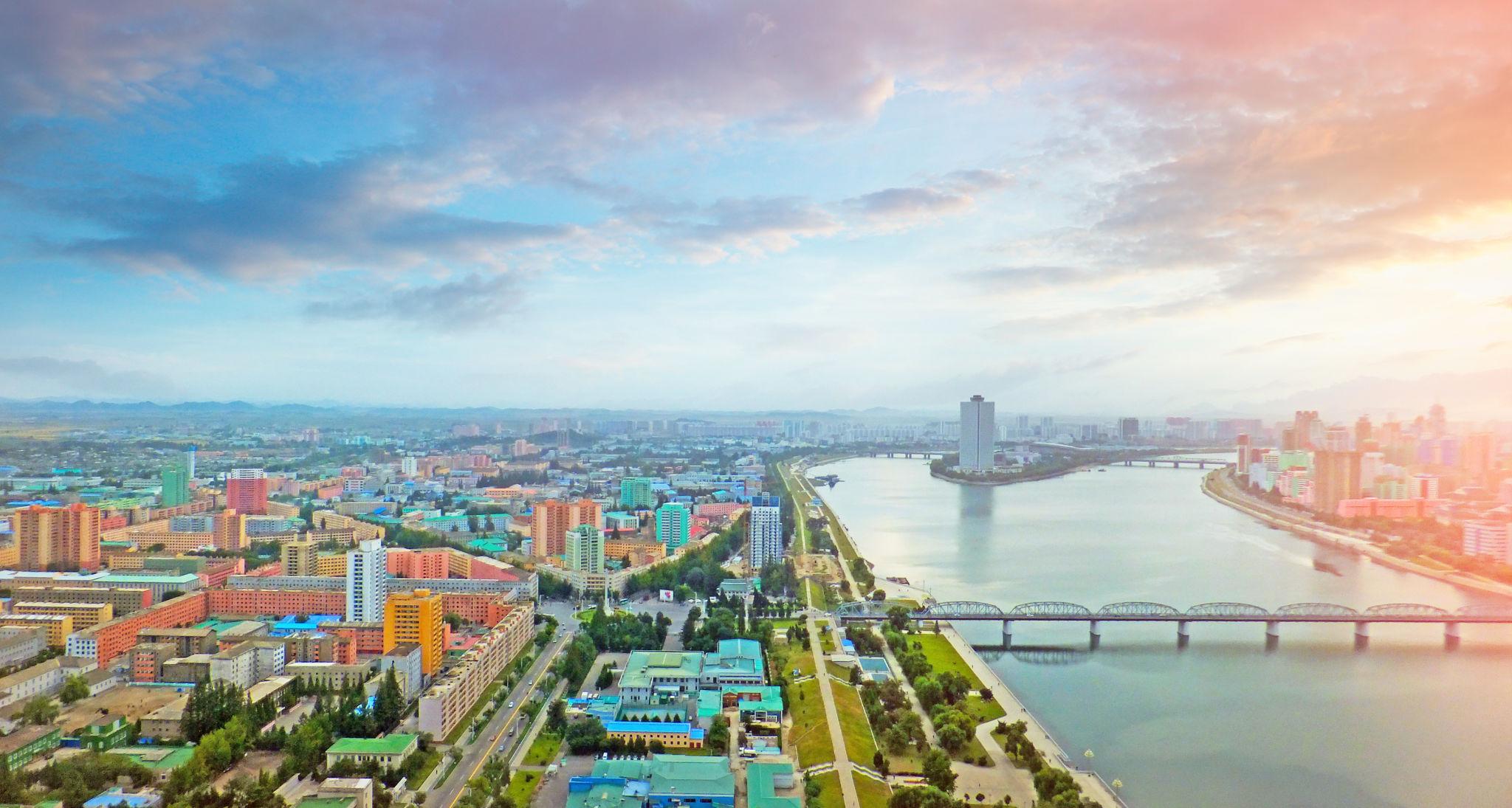
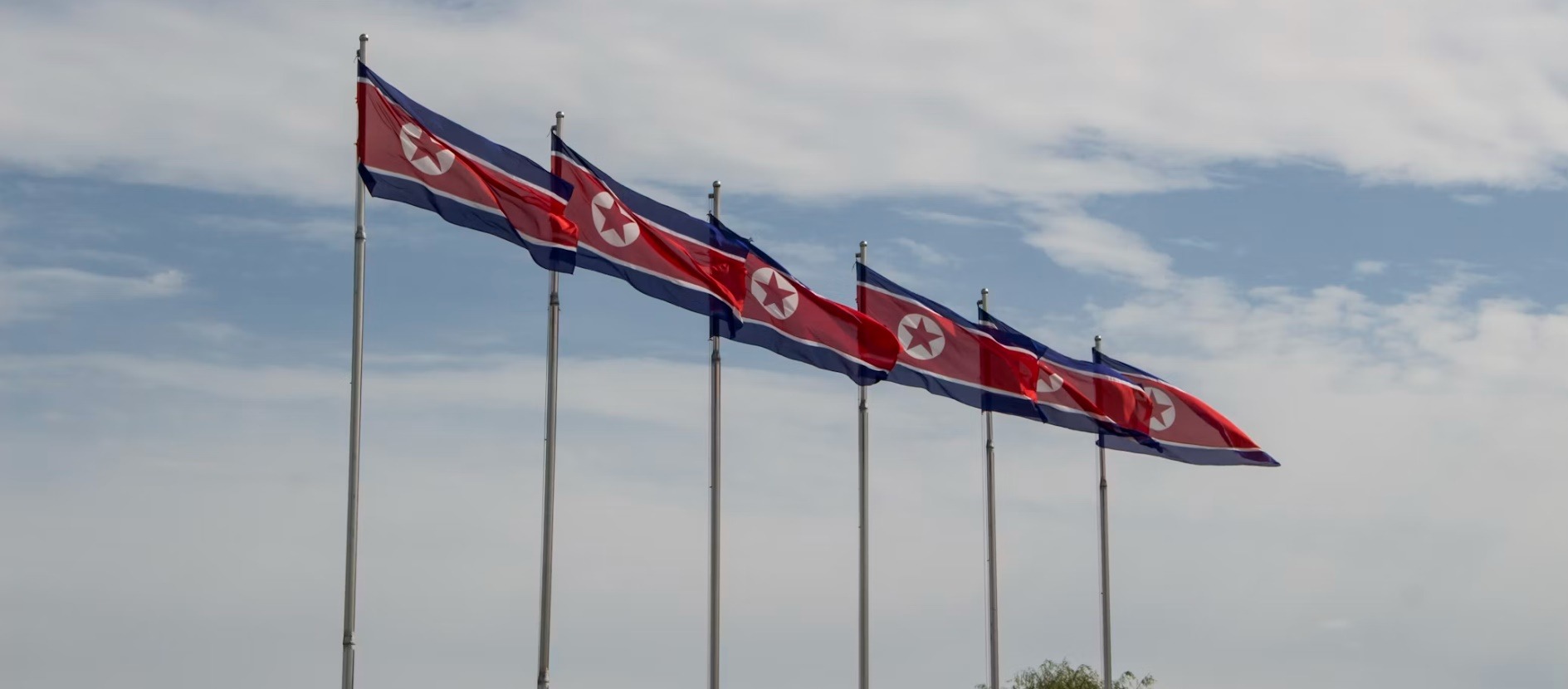
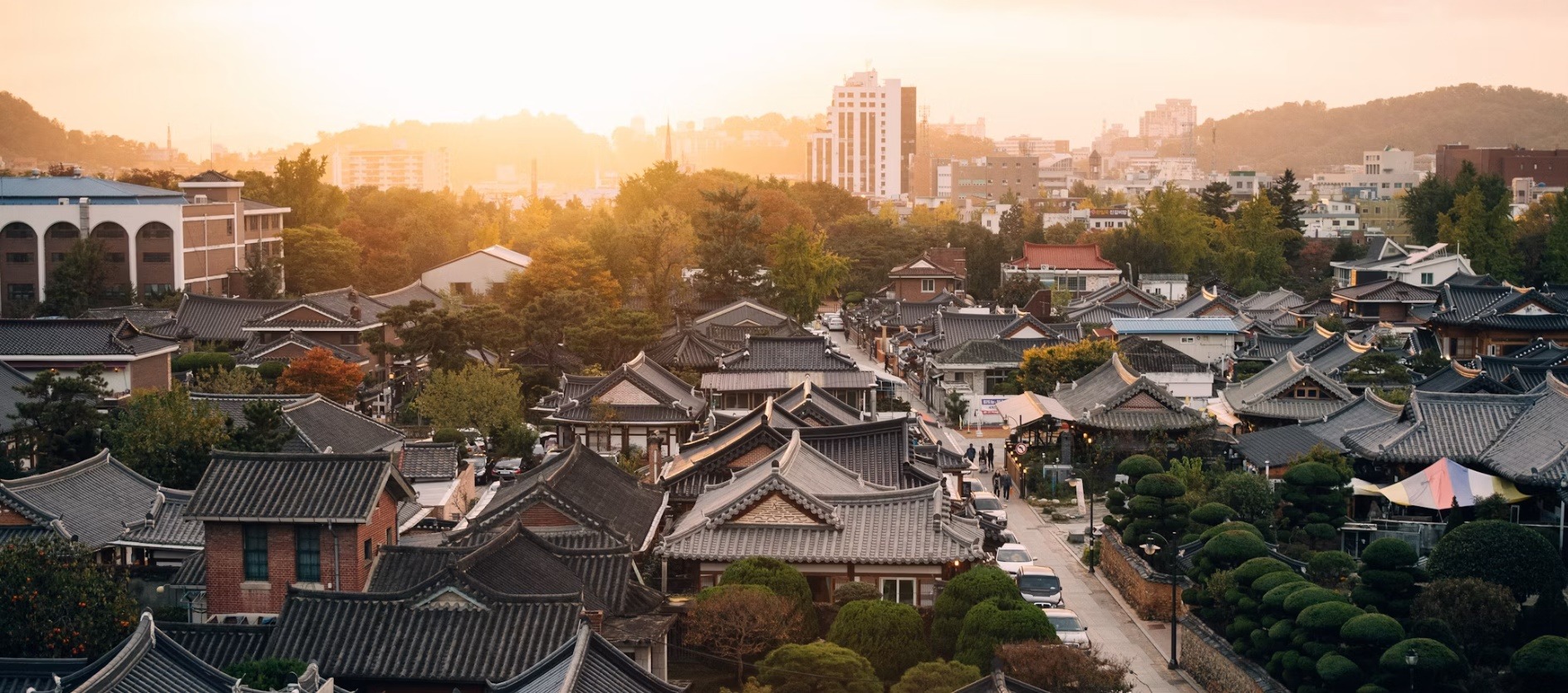
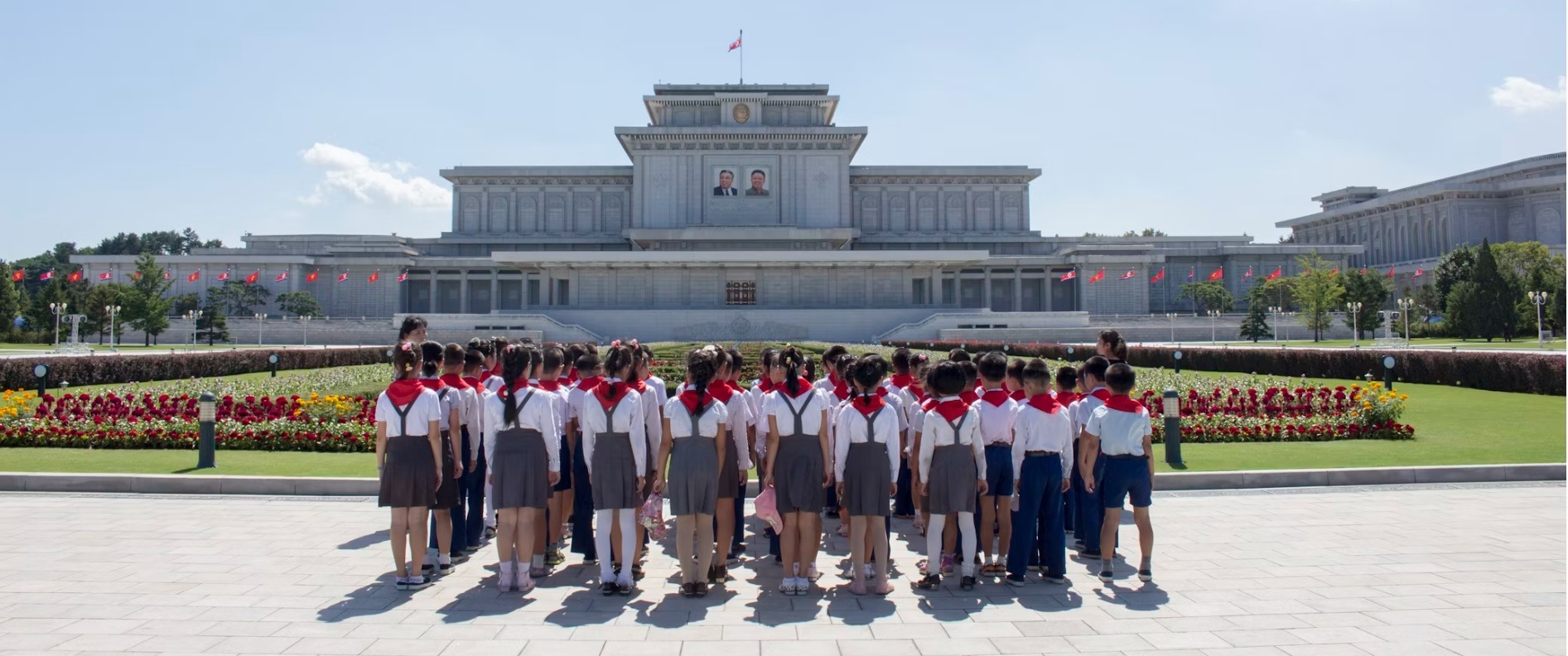
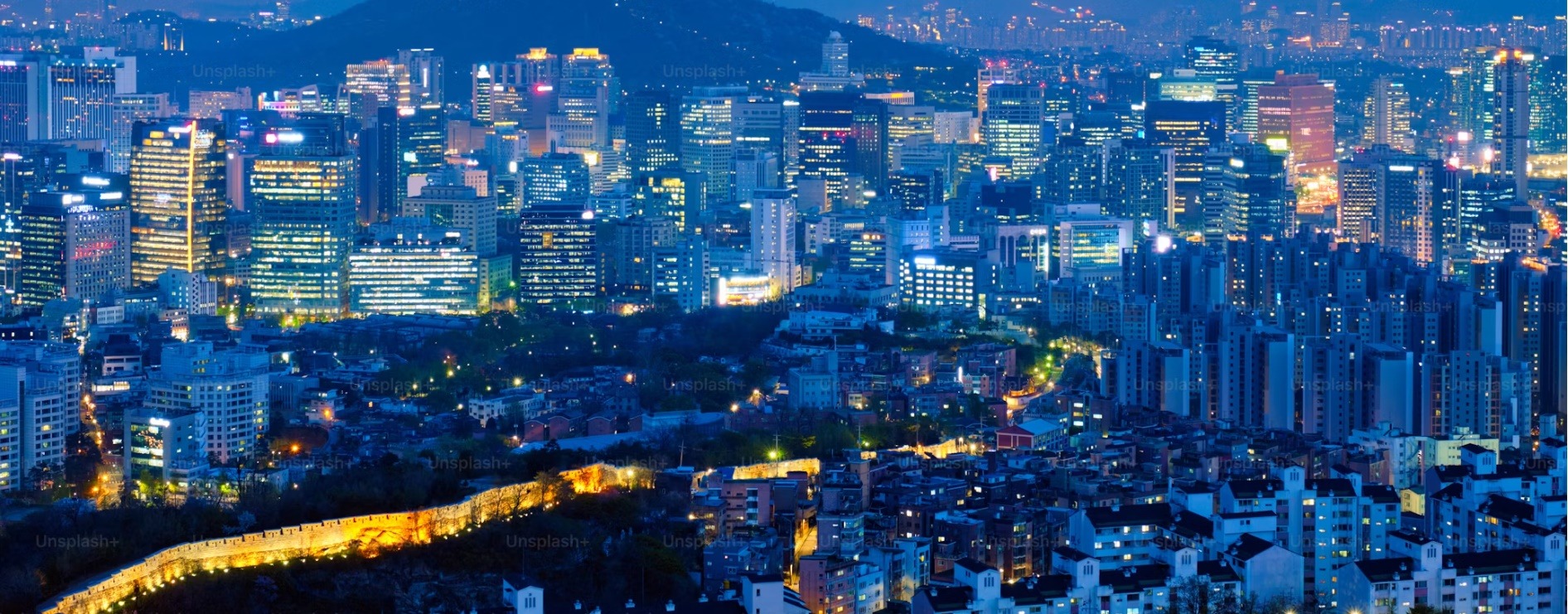
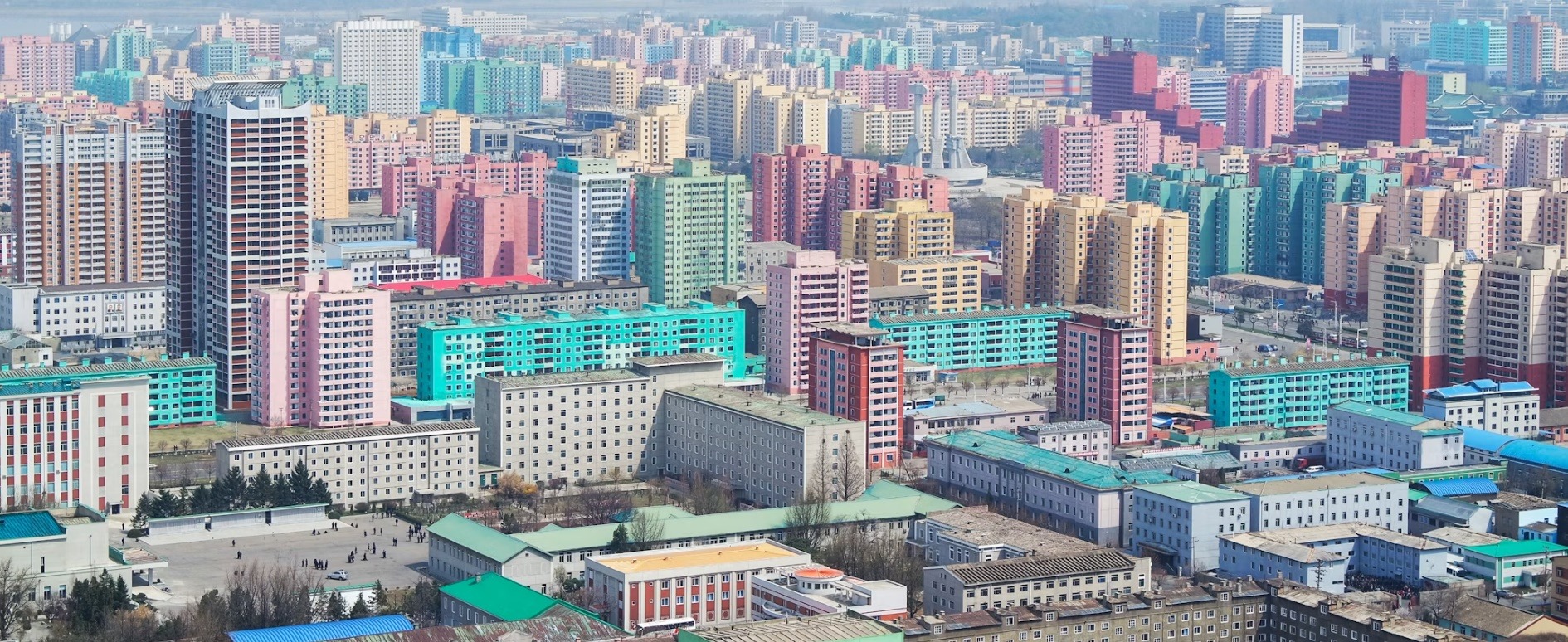
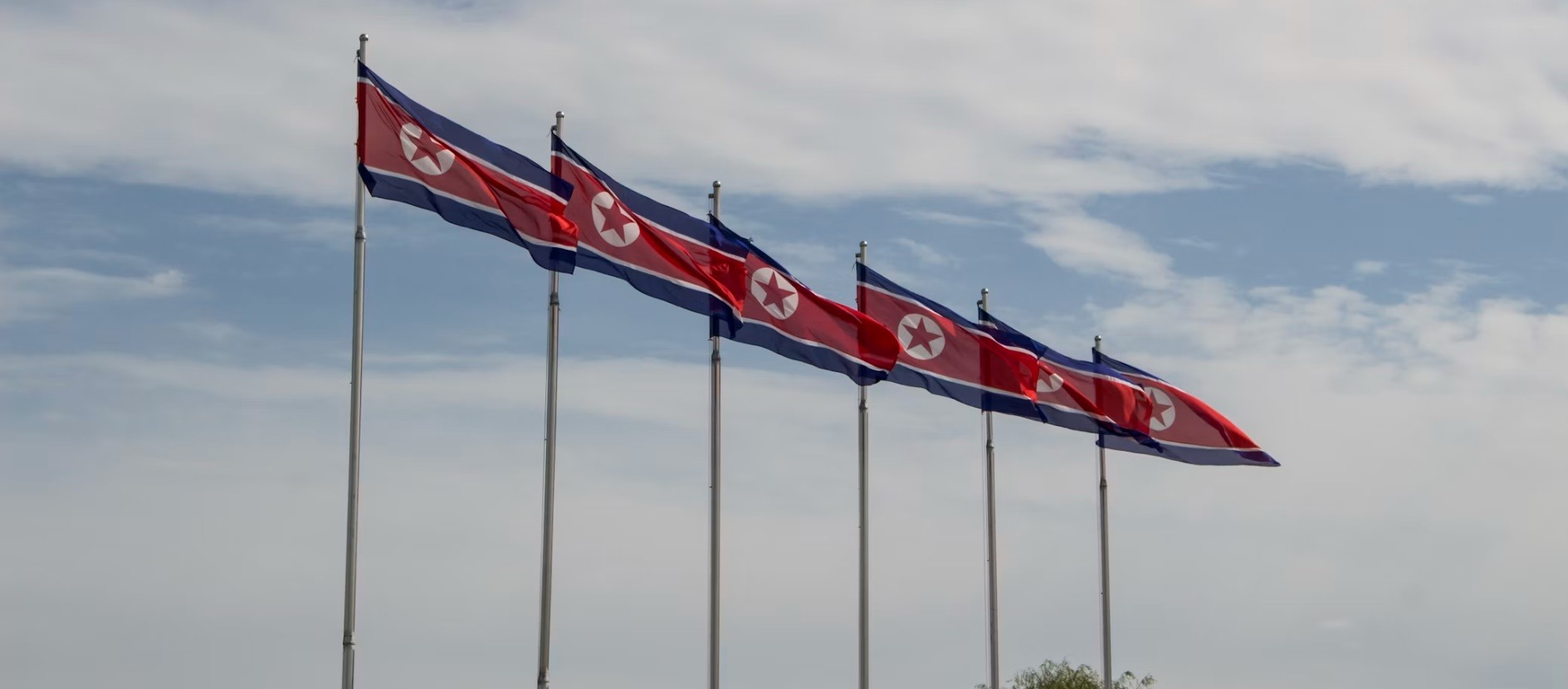
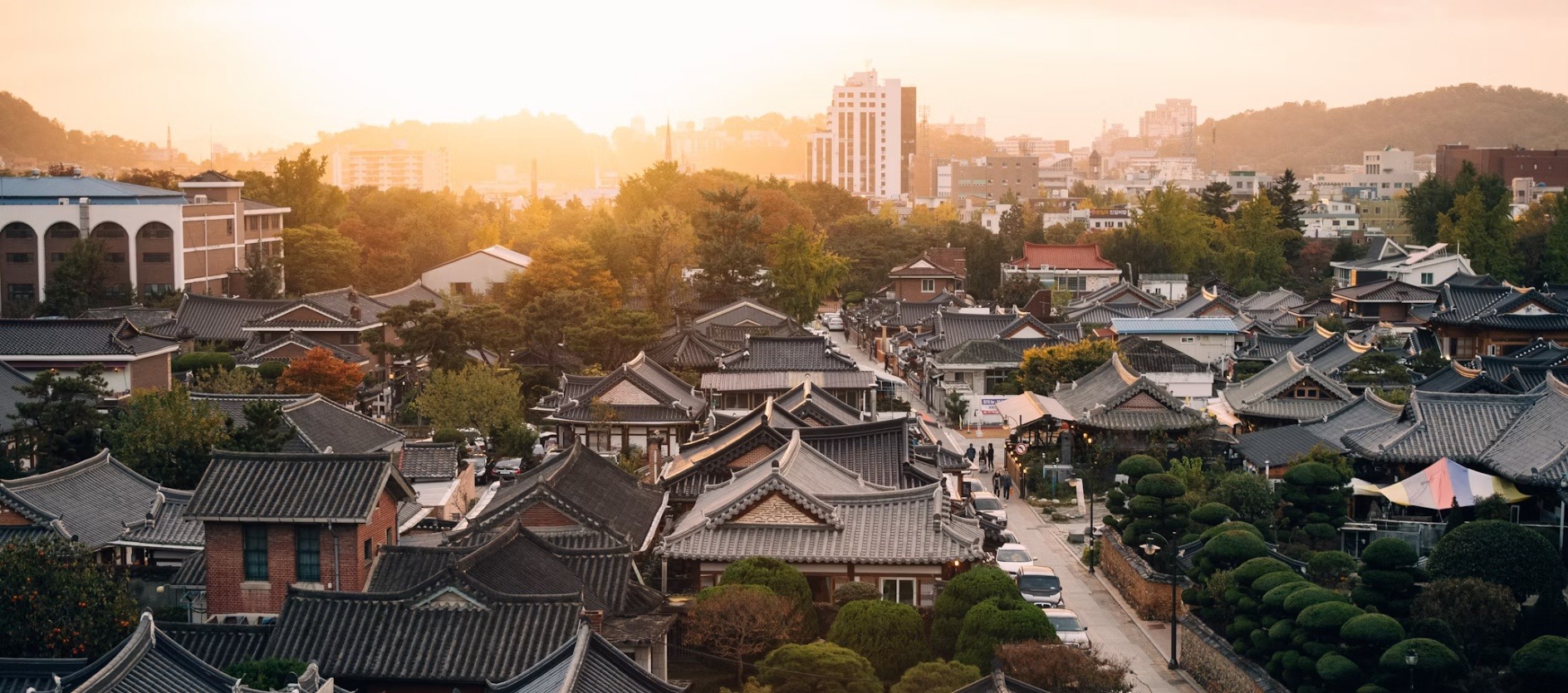
The **North Korean diaspora in the DMV** (District of Columbia, Maryland, and Virginia) is a highly specialized **micro-diaspora** composed primarily of North Korean defectors, human-rights advocates, researchers, students, and policy professionals. Unlike larger immigrant communities, the region does not contain a traditional North Korean ethnic enclave. Instead, its significance comes from **Washington's role as the center of U.S. foreign policy, North Korean human-rights advocacy, and international diplomacy**.
### Civic Advocacy & Community Networks
* **Human Rights Advocacy:** The DMV serves as one of the country's most important centers for organizations advocating for **North Korean human rights and refugee issues**. Local forums, conferences, public campaigns, and congressional events provide platforms for defectors to share personal experiences and raise awareness about conditions inside North Korea.
* **Alliance for Korea United — Washington:** **AKU Washington** provides a civic platform connecting Korean-American organizations, North Korean defectors, activists, and supporters. Its programming includes events focused on North Korean defector history, reunification, human rights, and public education.
* **Friends for Future:** The **Friends for Future** network connects North Korean survivors and defectors with American professionals, universities, nonprofits, and community organizations. Its programs emphasize mentorship, education, career development, and long-term integration into American society.
* **Federal Policy Network:** Washington's concentration of federal agencies, congressional offices, think tanks, and human-rights organizations gives local North Korean advocates unusually direct access to policymakers. Defectors and advocacy groups regularly participate in briefings, conferences, testimony, and public diplomacy programs focused on North Korea.
### Key Community Gatherings
* **North Korean Defectors' Day:** **July 14** provides a dedicated occasion for recognizing North Korean defectors and highlighting their experiences. Local advocacy groups use the occasion for commemorative programs, educational forums, fundraising, and discussions about preserving the history of North Korean escapees.
* **Human Rights & Policy Forums:** Throughout the year, universities, think tanks, advocacy organizations, and government institutions in Washington host conferences and panel discussions addressing North Korean human rights, refugee policy, freedom of information, reunification, and regional security.
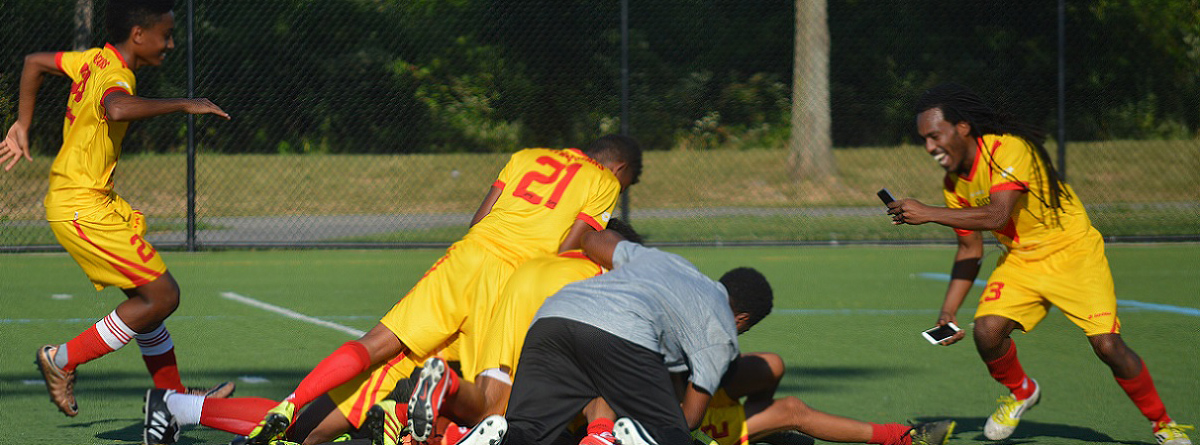
* **Defector Cultural Events:** Visiting North Korean defectors, youth groups, athletes, and survivors are often brought to Washington for meetings with policymakers, community organizations, and American audiences, making the capital an important national stage for their stories.
### Korean-American Community Connections
Because there is no substantial North Korean commercial enclave, the community's everyday social and cultural infrastructure overlaps significantly with the **much larger Korean-American population in the DMV**.
* **Annandale:** Northern Virginia's Korean-American commercial center provides access to Korean grocery stores, restaurants, churches, professional services, and community organizations. These institutions can also provide informal cultural and practical support to North Korean newcomers.
* **Ellicott City & Suburban Maryland:** The broader Korean-American community in Maryland provides additional access to Korean-language services, churches, markets, restaurants, and social networks.
* **Korean-American Churches & Mutual-Aid Networks:** Korean churches and community organizations can serve as important informal bridges for language assistance, employment connections, social integration, and practical support, particularly for individuals adjusting to life in the United States.
### Academic & Professional Networks
The DMV's universities and policy institutions also provide an important support structure for the community.
* **Universities & Scholarships:** North Korean defectors studying in the region can connect with specialized scholarship programs, mentors, researchers, and university-based networks focused on education and professional development.
* **Think Tanks & Policy Institutions:** Washington's concentration of Korea-focused researchers, diplomats, journalists, and foreign-policy specialists creates a professional ecosystem where North Korean defectors can contribute firsthand perspectives to academic and policy discussions.
Overall, the **North Korean presence in the DMV is defined less by population size and more by political visibility and institutional importance**. The community is anchored by human-rights organizations, defector networks, federal policy institutions, universities, and the broader Korean-American community. Washington therefore functions not as a traditional North Korean neighborhood, but as a **national hub for North Korean human-rights advocacy, defector voices, education, and policy engagement**.
 Sign In





 Facebook
 X-Twitter
 Instagram
 Linkedin
 Youtube