Sign In







 Facebook
 X-Twitter
 Instagram
 Linkedin
 Youtube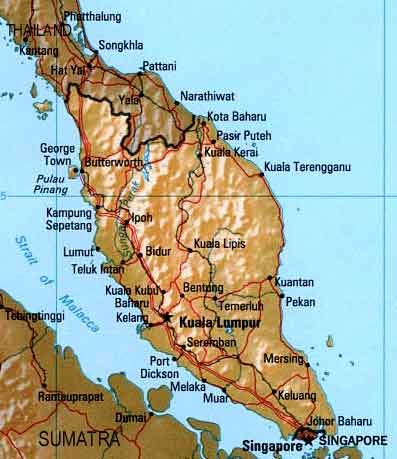
More Information
More Information
Street Soccer in Malaysia
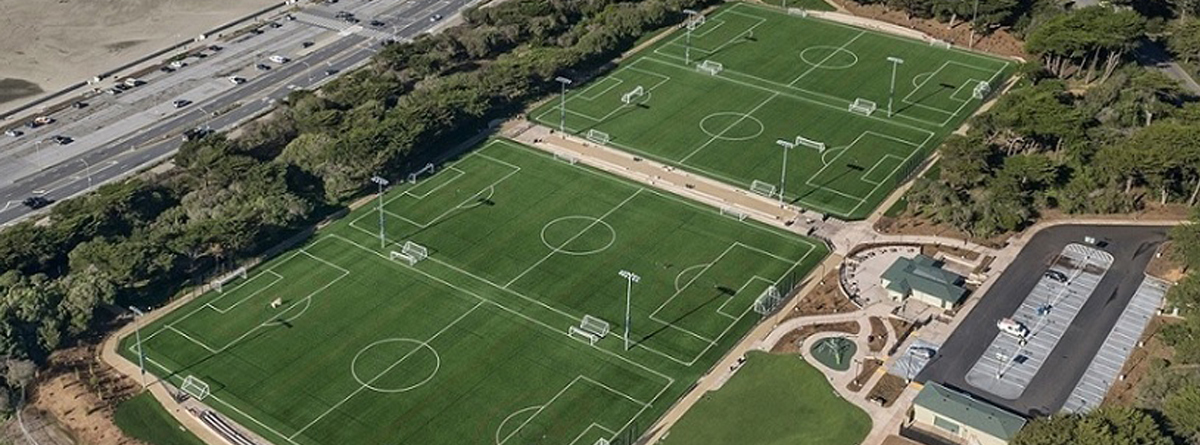
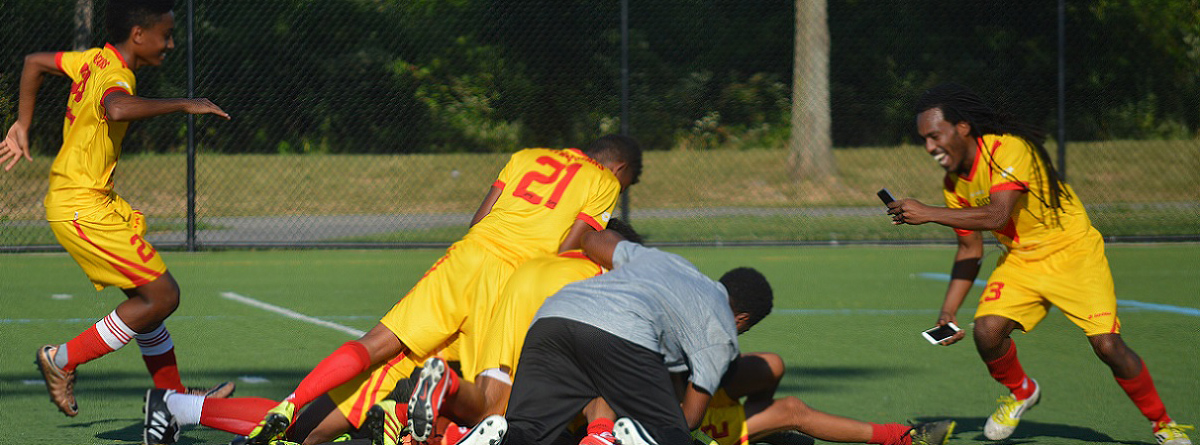
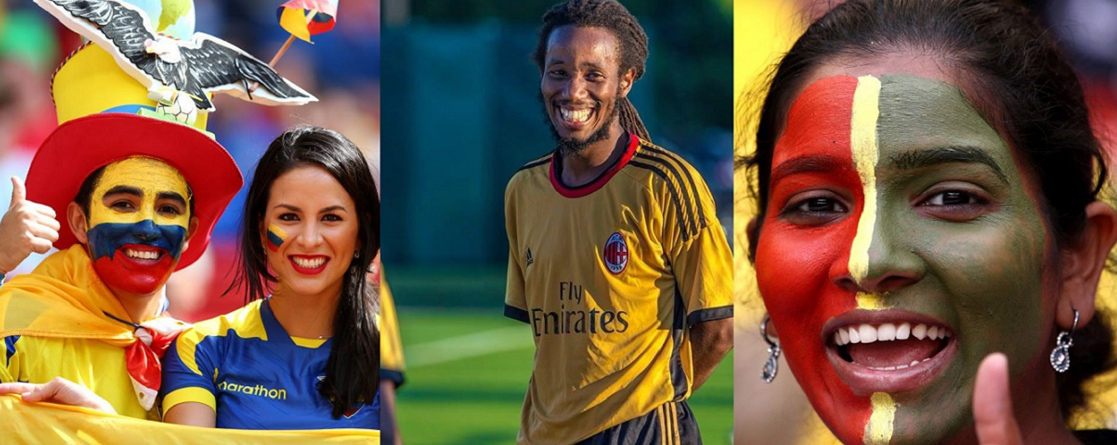
Street soccer is a popular pastime in Malaysia, where children and teenagers regularly play informal football matches in neighbourhood courts, school playgrounds, public parks, futsal areas, and community sports spaces. These games give young players an enjoyable way to stay active while improving their football skills and spending time with friends.
The fast pace of street soccer encourages close ball control, quick passing, creative dribbling, and intelligent movement. Playing on compact courts helps participants sharpen their technique, improve teamwork, and develop confidence while adapting to different playing conditions and opponents.
Street soccer offers an affordable and accessible way for communities across Malaysia to enjoy football without requiring professional stadiums or large playing fields. It promotes healthy lifestyles, strengthens local friendships, and inspires many young people to continue their involvement in the sport.
Street Soccer Culture in Malaysia
Football is one of the most popular sports in Malaysia, and street soccer is often the first step for many children discovering the game. Friendly matches organised by schools, neighbourhood groups, and local communities create an inclusive atmosphere where players of different ages and skill levels can participate.
Skills Developed Through Street Soccer
Street soccer helps players improve dribbling, first touch, passing accuracy, agility, balance, ball control, and awareness. Regular games also strengthen communication, creativity, confidence, and the ability to make quick decisions during fast-paced play.
Street Soccer and Community Development
Street soccer brings communities together through football while encouraging teamwork, active lifestyles, and positive youth participation. It also provides aspiring players with valuable experience before progressing to school teams, local football clubs, academies, futsal programmes, or organised youth football competitions.
The MALAYSIA in the DMV Metro

The Malaysian diaspora in the DMV (Washington, D.C., Maryland, and Virginia) is a highly educated, professionally oriented, and culturally active Southeast Asian community. The population includes diplomats, international-trade professionals, technology specialists, researchers, students, and business professionals, with community life strongly organized around the Malaysian Embassy, student associations, cultural organizations, and food-centered social events.
Community Hubs and Institutional Presence
- The Embassy of Malaysia: Located in Washington, D.C., the Embassy serves as the principal diplomatic and civic anchor for Malaysians in the region. It provides consular services while hosting national celebrations, Hari Raya open houses, community receptions, and other cultural programs.
- Perwakilan Washington, D.C.: The Embassy's women's and social organization plays an important role in cultural preservation through cooking activities, traditional textile and craft exhibitions, charity bazaars, and community gatherings.
- Malaysian Student Associations: Malaysian students at regional universities such as George Mason University and the University of Maryland form an important younger-generation network. Student groups organize social events, professional networking, cultural celebrations, and connections between students and the broader Malaysian community.
Cultural and Social Dynamics
- Malaysia Fest & Cultural Bazaars: Malaysian cultural festivals and embassy-hosted bazaars provide major gathering points for the community and the wider DMV public. Events typically feature Malaysian cuisine, batik and handicrafts, traditional music, dance, and cultural demonstrations.
- Passport DC & Cultural Diplomacy: The annual Passport DC / Around the World Embassy Tour provides another major platform for Malaysian cultural outreach. Visitors can experience Malaysian food, traditional performing arts such as Wayang Kulit, textiles, crafts, and other aspects of Southeast Asian heritage.
- Hari Raya & National Day: Hari Raya Aidilfitri celebrations and Malaysia's National Day on August 31 serve as important community occasions, bringing together families, students, diplomats, and Malaysian professionals.
- Food-Centered Community Life: Malaysian cuisine is one of the community's strongest cultural connectors. Dishes representing Malay, Chinese, Indian, and broader Southeast Asian influences allow Malaysian identity to be maintained while also connecting the diaspora with the DMV's larger Asian food culture.
- Professional & Academic Networks: The community has a strong white-collar component, with members working across technology, biotechnology, international trade, law, research, diplomacy, and higher education.
- Community Structure: The Malaysian DMV community is best understood as an institutionally connected professional diaspora, with the Embassy and student organizations providing the core infrastructure while festivals, food, and religious celebrations create broader social cohesion.
Significance
Immigration from Malaysia has generally reflected British colonial rule, educational opportunities, professional employment, economic development, family reunification, international business, entrepreneurship, and skilled migration.
Migration from Malaysia has historically been shaped by its multicultural society, strong regional connections, and colonial ties with the United Kingdom. Malaysians have commonly migrated to Singapore, the United Kingdom, Australia, Canada, and the United States for higher education, professional employment, business, and family reunification. Overseas migration expanded after independence as students, healthcare professionals, academics, entrepreneurs, government officials, and skilled workers pursued international educational and career opportunities. Today, Malaysian immigrants have established diverse communities in the United States while maintaining strong cultural, linguistic, economic, and family ties with their homeland.
Malaysian Migration Before Independence
Before independence, much of present-day Malaysia was administered as British Malaya, including the Federated Malay States, Unfederated Malay States, and the Straits Settlements under British colonial rule. Migration during the colonial period was influenced by tin mining, rubber plantations, maritime trade, government administration, missionary education, and regional commerce. Residents frequently travelled throughout Southeast Asia as traders, labourers, students, civil servants, teachers, and members of extended families. Direct migration to the United States remained relatively limited because political, educational, and commercial connections were centred primarily on the United Kingdom and other British territories. The Federation of Malaya gained independence on August 31, 1957, and the United States recognized the new nation shortly thereafter before establishing diplomatic relations. Malaysia was established on September 16, 1963, with the formation of the federation that included Malaya, Sabah, Sarawak, and Singapore.
Late-Twentieth- and Early-Twenty-First-Century Immigration
Migration increased after independence as expanding educational opportunities, economic growth, globalization, and professional careers encouraged many Malaysians to seek opportunities abroad. Students, physicians, engineers, scientists, academics, entrepreneurs, information technology specialists, business professionals, and researchers increasingly travelled to the United States for university education, specialized employment, scientific research, investment, or family reunification. Academic exchange programs, multinational corporations, and international business partnerships have continued to strengthen migration in recent decades, while family sponsorship has supported the growth of Malaysian communities across the United States. In the United States, Malaysian immigrants often rely on family networks, mosques, churches, temples, cultural associations, alumni organizations, and professional groups for support with housing, employment, education, and community integration while preserving Bahasa Malaysia, English, Mandarin, Tamil, and other community languages, traditional cuisine, cultural festivals, religious practices, and close relationships with relatives in Malaysia.