Sign In










 Facebook
 X-Twitter
 Instagram
 Linkedin
 Youtube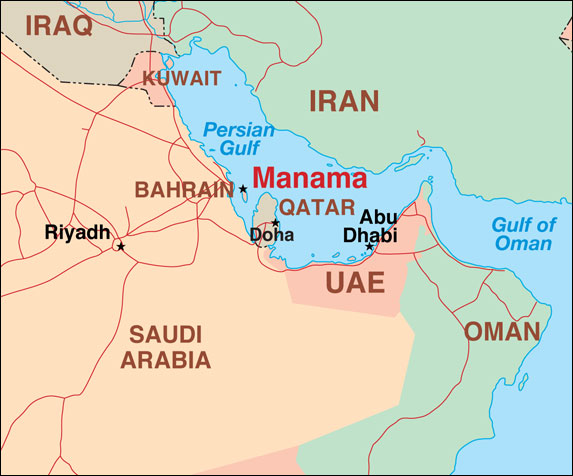
More Information
More Information
Street Soccer in Bahrain
Street soccer is a popular pastime in Bahrain, where children and teenagers regularly play football in neighbourhood streets, school playgrounds, public parks, and community sports areas. Friendly matches are often enjoyed during the evenings, when the weather is more comfortable, giving young players an opportunity to stay active and have fun with friends.
These informal games help players improve close ball control, passing accuracy, quick movement, and teamwork. Playing on smaller pitches encourages fast decision-making and creative play, allowing participants to sharpen their technical skills through regular competition.
Street soccer provides an accessible way for local communities to enjoy football without the need for professional facilities. It promotes physical activity, strengthens friendships, and encourages young people to develop a lasting passion for the sport.
Street Soccer Culture in Bahrain
Football is one of the most popular sports in Bahrain, and street soccer plays an important role in introducing young people to the game. Informal matches organised by friends, schools, and neighbourhood groups create an inclusive environment where players of different ages can participate.
Skills Developed Through Street Soccer
Street soccer helps participants improve dribbling, first touch, passing, agility, balance, and spatial awareness. The fast-paced nature of the game also builds confidence, communication, and the ability to react quickly under pressure.
Street Soccer and Community Development
Street soccer brings communities together through football while encouraging healthy and active lifestyles among young people. It also provides aspiring players with valuable experience before joining school teams, local football clubs, or organised youth football programmes.
The Bahrain in the DMV Metro

- The Embassy of the Kingdom of Bahrain: Located on International Drive NW in Washington, D.C., the Embassy of Bahrain serves as the primary civic and cultural focal point. It frequently coordinates outreach events, updates contact registration for expatriates, and hosts student delegations.
- The Bahraini-American Friendship Society: This group actively brings together Bahraini citizens living in the DMV with American professionals. They regularly collaborate with the embassy to host cultural dinners, networking galas, and economic forums.
- Student Networks: A substantial segment of the diaspora consists of sponsored undergraduate and postgraduate students attending major regional universities, such as Georgetown University, George Washington University, and the University of Maryland.
- Multicultural Outreach: Diaspora functions in the D.C. area frequently emphasize Bahrain's history of religious pluralism and cultural tolerance, often co-hosting interfaith events, traditional Iftar dinners, and heritage exhibitions featuring music, pearl-diving history, and authentic cuisine.
- Professional Fields: Aside from the diplomatic corps, members of the community are highly visible in international defense consultation, financial institutions, and public policy think tanks, reflecting Bahrain's role as a major non-NATO ally and regional economic center.
Significance
Bahraini migration has generally reflected maritime trade, British influence, the growth of the oil industry, education, professional employment, regional movement, family connections, and the country’s economic development.
Migration to and from Bahrain developed through centuries of movement across the Persian Gulf, connecting the islands with Arabia, Persia, India, East Africa, and other trading regions. Before the discovery of oil, merchants, sailors, pearl divers, craftspeople, and labourers moved through Bahrain for commerce and employment. Migration expanded after oil was discovered in 1932, attracting workers and specialists from neighbouring Arab countries, South Asia, Europe, and other regions. Following independence in 1971, construction, banking, transportation, manufacturing, and public services created further demand for foreign labour. Bahrainis also travelled to Britain, the United States, and other countries for university education, professional training, business, and employment.
Bahraini Migration Before Independence
Before Bahrain achieved independence, migration was shaped by its strategic location, seafaring economy, pearling industry, and commercial relationships across the Gulf and Indian Ocean. Residents regularly travelled for fishing, pearl diving, shipbuilding, trade, religious journeys, marriage, and family responsibilities. Foreign merchants and workers also settled temporarily or permanently in Manama and other trading centres. Bahrain entered treaty relationships with Britain during the nineteenth century, and British political influence remained important until the twentieth century. The decline of natural pearl trading and the discovery of oil transformed the economy, creating jobs in petroleum production, administration, transportation, and construction. These changes attracted workers from Iran, India, the Arabian Peninsula, and other regions while encouraging some Bahrainis to study or work abroad.
Late-Twentieth-Century Migration
Bahrain became independent from Britain on August 15, 1971, and its expanding economy encouraged substantial labour migration during the following decades. Foreign workers arrived for employment in oil production, construction, domestic service, retail, banking, healthcare, hospitality, and transportation. Many came from India, Pakistan, Bangladesh, the Philippines, neighbouring Arab countries, and other parts of Asia and Africa. Bahrainis increasingly travelled overseas for higher education, military training, professional careers, business, and family reunification, with some establishing communities in Britain, the United States, and other Gulf countries. Migration contributed greatly to Bahrain’s economic growth and cultural diversity, although foreign workers have also faced challenges involving employment protection, residency status, wages, and working conditions.